
Hypermobile Ehlers-Danlos Syndrome (hEDS) Treatment in Southampton
You reach for a coffee mug on the kitchen shelf and feel your shoulder slip out of place with that familiar grinding sensation. Twenty minutes later, you’re standing in a queue at the supermarket when your knees start to buckle and ache, forcing you to shift your weight constantly. By evening, that nagging pain has migrated to your lower back, and you’re exhausted despite having done nothing particularly strenuous. These aren’t separate problems — they’re all connected to how your body’s connective tissues handle everyday loads.
Hypermobile Ehlers-Danlos syndrome (hEDS) is a genetic connective tissue disorder affecting approximately 1 in 500 people in the UK, characterised by widespread joint hypermobility, chronic pain, and tissue fragility that affects how your body tolerates everyday movement and load. The condition results from altered collagen structure throughout the body, leading to joint instability, persistent pain, fatigue, and complications across multiple body systems including cardiovascular, gastrointestinal, and autonomic function. At Southampton Physio, we provide evidence-based physiotherapy and long-term rehabilitation for hEDS patients across Southampton, Bedford Place, and the surrounding Hampshire region, combining specialist manual therapy with progressive strengthening protocols designed specifically for hypermobile joints.
Is This What You're Feeling?
hEDS symptoms vary widely between individuals, but most people experience several of these patterns:
- Joint instability and subluxations — shoulders, knees, fingers, or jaw partially dislocating during normal activities, often reducing themselves but leaving a lingering ache
- Widespread pain that moves — pain in multiple joints or regions that shifts location, often worse after activity but sometimes present even at rest
- Chronic fatigue — persistent exhaustion disproportionate to activity levels, often accompanied by poor sleep quality and difficulty recovering from exertion
- Easy bruising and slow wound healing — skin that marks easily, takes longer to heal, and may develop unusual scarring patterns
- Digestive issues and dizziness — many people with hEDS also experience gastrointestinal problems, postural dizziness (POTS), or temperature regulation difficulties
These symptoms often begin in childhood but may worsen during adolescence, pregnancy, or after injury. You may have been told your joints are “just loose” or that pain is “part of growing up,” but hEDS is a distinct medical condition requiring specific management.
When should you see a physiotherapist? If joint hypermobility is affecting your daily activities, causing recurrent subluxations, or contributing to persistent pain and fatigue, specialist physiotherapy can help you build stability and reduce symptoms.
Red flags requiring immediate medical attention: Severe chest pain, sudden shortness of breath, signs of arterial rupture (though rare in hEDS), or any symptoms suggesting vascular complications should prompt emergency medical review.
Why Does hEDS Develop?
hEDS develops because of genetic differences in how your body produces and organises collagen, the structural protein that gives strength and stability to connective tissues throughout your body — tendons, ligaments, skin, blood vessels, and internal organs. Research published in the American Journal of Medical Genetics (Tinkle et al., 2017) confirms that hEDS is a genetically inherited condition characterised by widespread joint hypermobility, fragile tissues, and chronic pain that significantly impacts functional capacity and quality of life.
Unlike other types of Ehlers-Danlos syndrome, hEDS doesn’t yet have a confirmed genetic marker, which means diagnosis relies entirely on clinical criteria rather than blood tests. The condition affects collagen structure and function throughout the body, resulting in joint instability, vascular complications, gastrointestinal dysfunction, autonomic nervous system dysregulation, and significant psychological impact (Malfait et al., 2017, American Journal of Medical Genetics).
Why symptoms flare and how to understand your capacity
Think of your body’s tolerance for activity like a bridge with a weight limit. Each stressor — physical activity, poor sleep, emotional stress, deconditioning — adds load to the bridge. When you exceed the bridge’s capacity, symptoms flare: joints become unstable, pain increases, and fatigue sets in.
In hEDS, your bridge has a lower weight limit to begin with because your connective tissues can’t absorb as much load. However, you can strengthen the bridge through carefully progressed exercise, just like building more support pillars underneath.
The “leaky cup” of recovery also applies here. Stress, poor sleep, deconditioning, and pain all fill your cup. When the cup overflows, that’s when symptoms worsen. In hEDS, your cup has less capacity, but smart pacing and strengthening help expand it over time.
Pain in hEDS isn’t purely structural — it’s influenced by movement patterns, load history, tissue sensitivity, sleep quality, stress, and expectations about what your body can do. This doesn’t mean pain is “in your head.” It means pain is a complex output influenced by many factors, and effective treatment addresses all of them.
The condition often runs in families, though inheritance patterns vary. Some people are diagnosed in childhood; others only receive a diagnosis after years of unexplained symptoms, multiple specialist referrals, and being told “nothing is wrong.”
How Southampton Physio Treats hEDS
hEDS responds best to structured, progressive rehabilitation that builds tissue tolerance, improves movement control, and reduces pain sensitivity over time. Evidence published in Physical Therapy Reviews (Pacey et al., 2023) demonstrates that therapeutic exercise and motor function training show moderate to strong evidence for improving functional outcomes, reducing pain catastrophizing, and enhancing quality of life in hEDS populations.
Your First Assessment — understanding your unique presentation
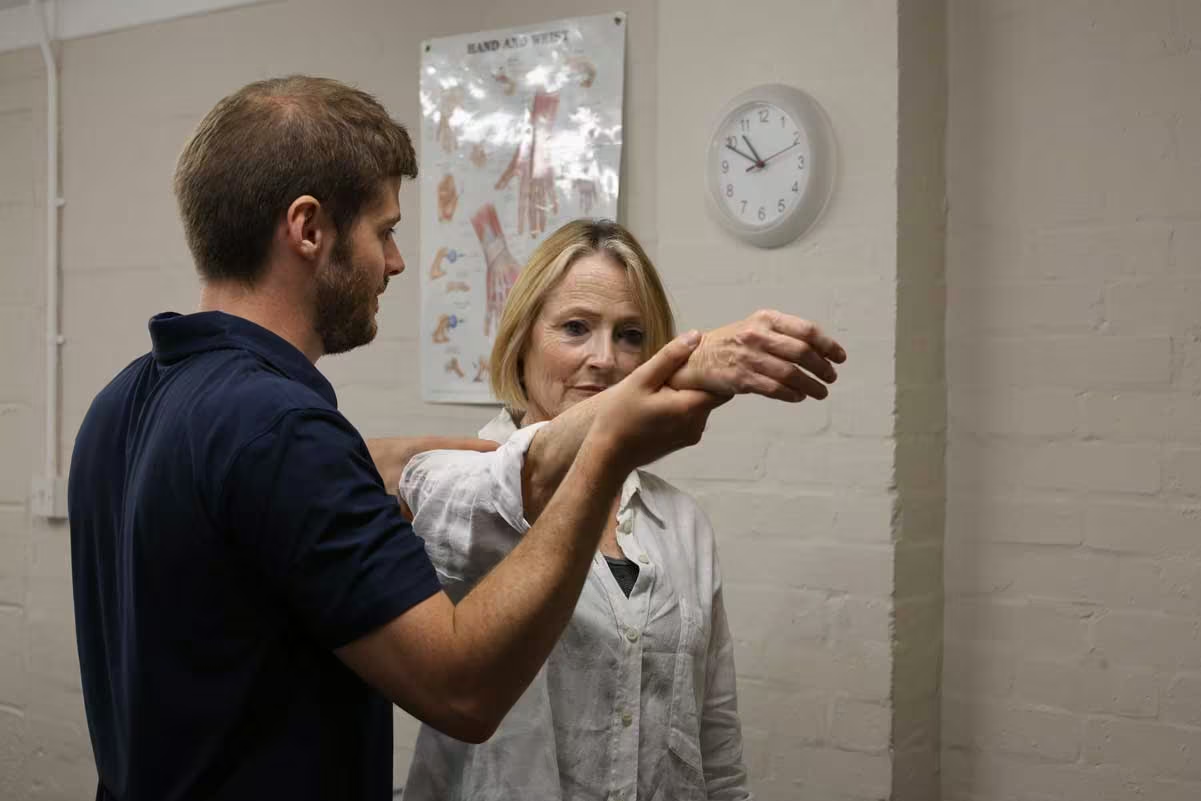
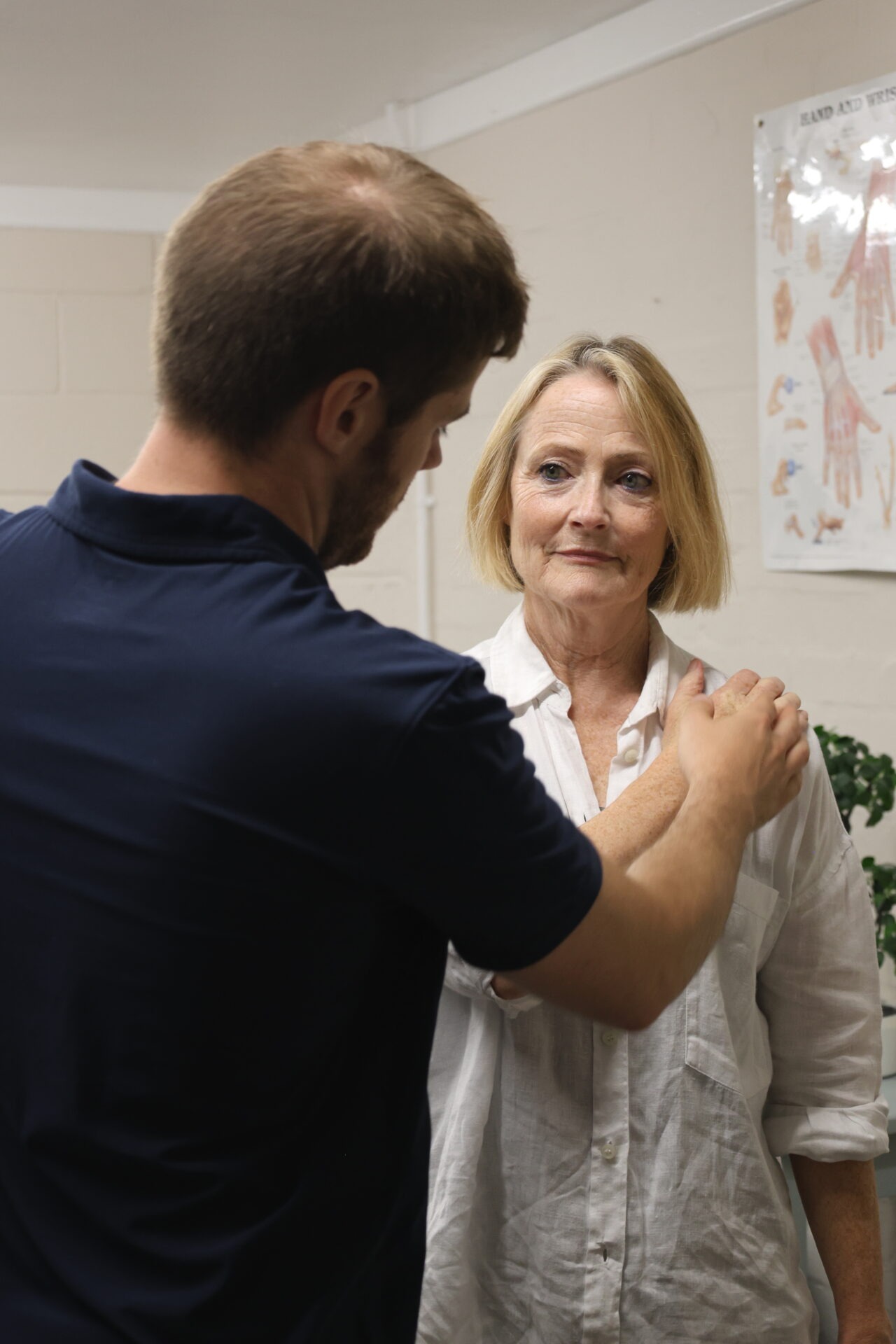
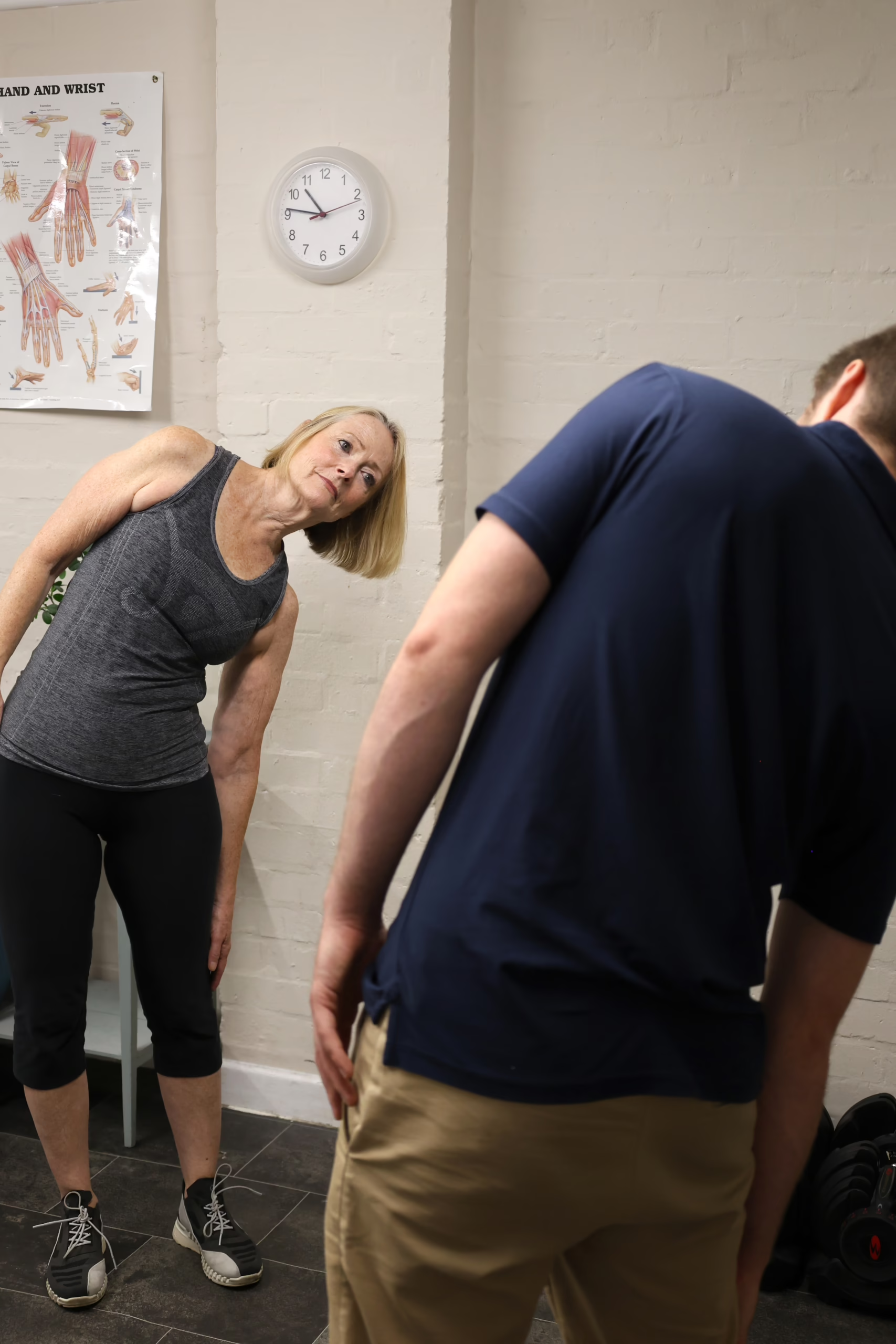
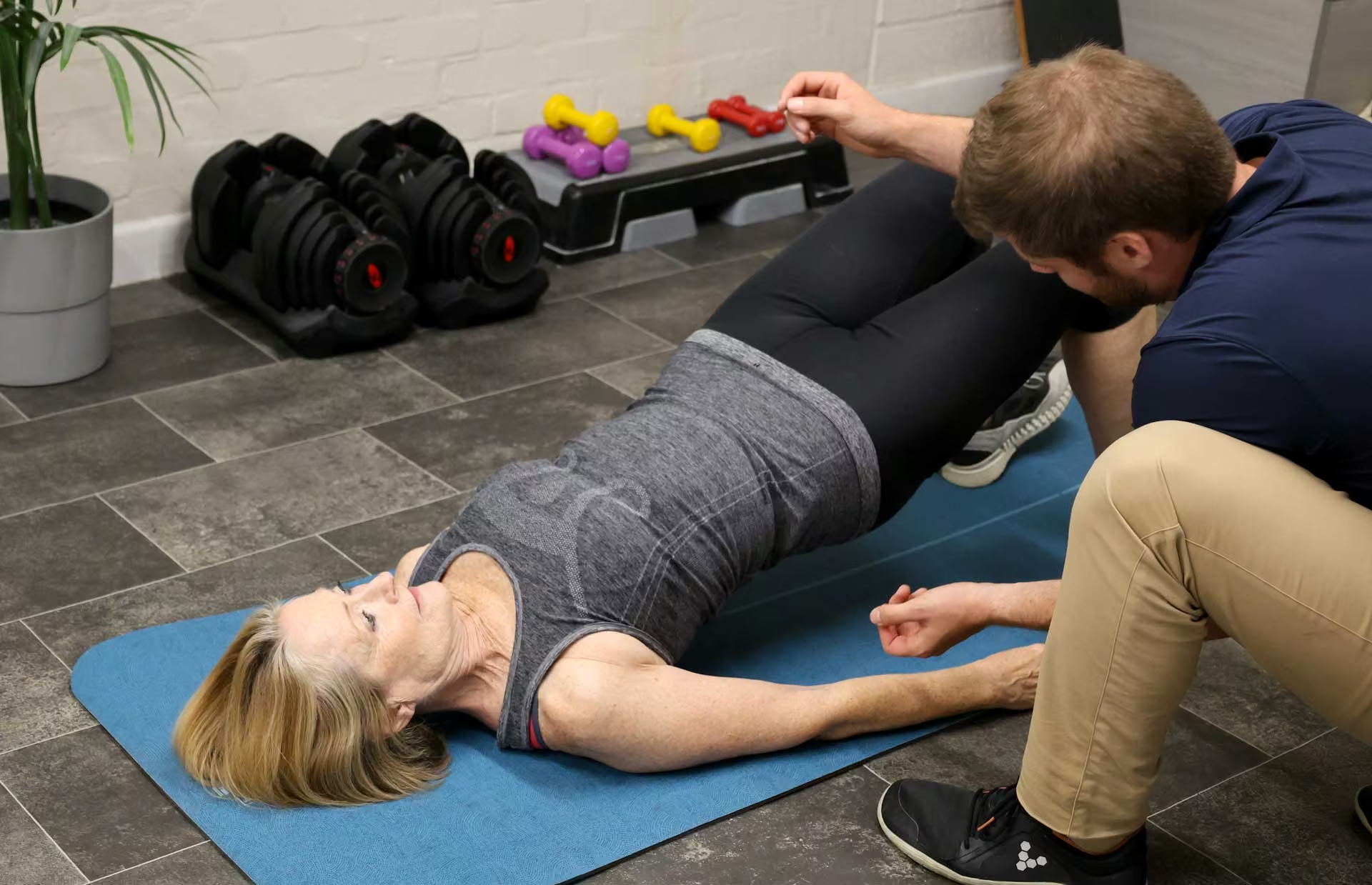
Your initial session involves a detailed movement assessment, joint stability testing, and discussion of how hEDS affects your daily life. We identify specific areas of joint instability, movement patterns that contribute to pain or subluxations, and factors that influence your symptom variability.
Most people leave the first session with a clearer understanding of why certain movements provoke symptoms and a concrete plan for building tolerance. You’ll also receive initial exercises you can start immediately — usually low-level strengthening and movement control work tailored to your current capacity.
Hands-On Treatment — preparing tissues for loading
Manual therapy and soft tissue techniques help manage pain flares, release areas of protective muscle guarding, and improve joint position sense. Research co-authored by Ian Greaves, published in the International Journal of Osteopathic Medicine (2024), explores the role of osteopathic treatment in managing complex musculoskeletal presentations, including hypermobility-related conditions.
Manual therapy is not a standalone fix. It’s an adjunct to exercise — a way to reduce symptom intensity, improve movement quality, and prepare your tissues for the progressive loading that actually builds long-term resilience. We might use joint mobilisations, soft tissue release, taping for support during activity, or dry needling to manage trigger points contributing to pain.
Building Long-Term Strength — the foundation of hEDS management
Strengthening is the most important part of hEDS rehabilitation. A twelve-week multidisciplinary rehabilitation program demonstrated a 67% improvement in functional disability in people with hEDS (Scheper et al., 2021, Disability and Rehabilitation), with median Functional Disability Index scores improving from 24 to 8.0 points (p<0.01).
Proprioceptive training — exercises that improve your joints’ sense of position and control — led to a median 46% improvement in proprioceptive function and 45% improvement in motor performance (Aman et al., 2022, Sports Medicine). This means your joints become more stable, less likely to sublux during daily activities, and better able to absorb load without triggering pain flares.
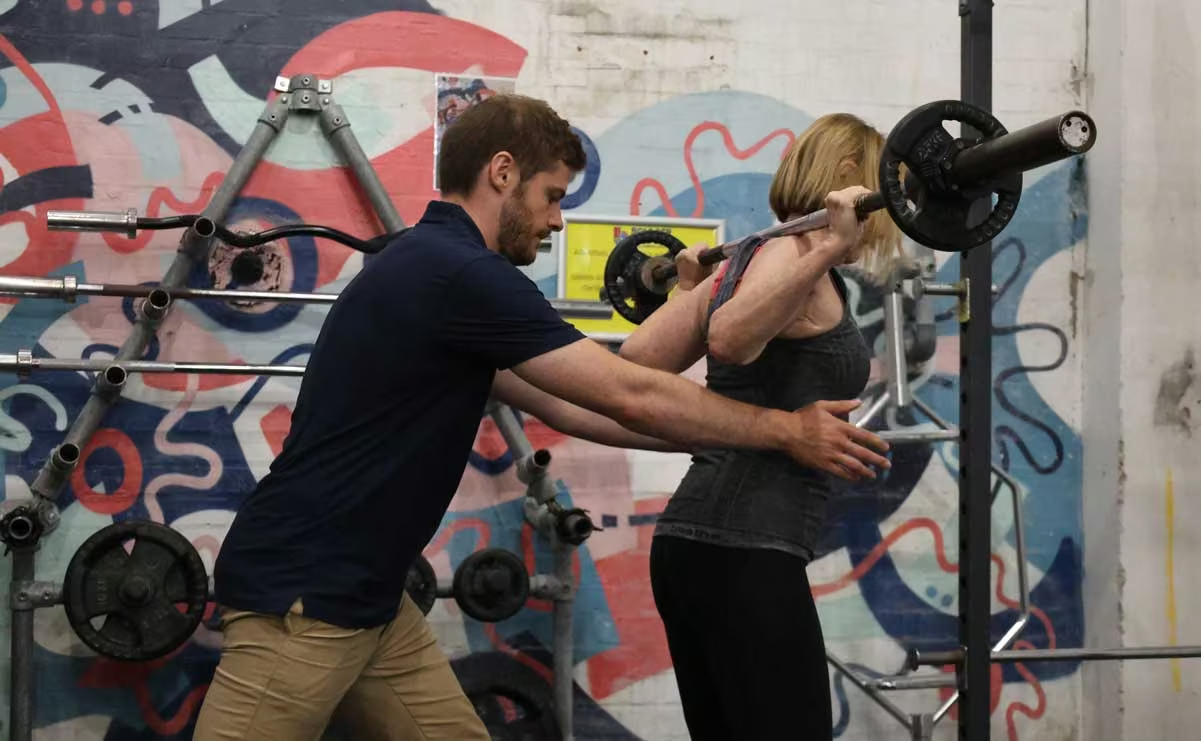
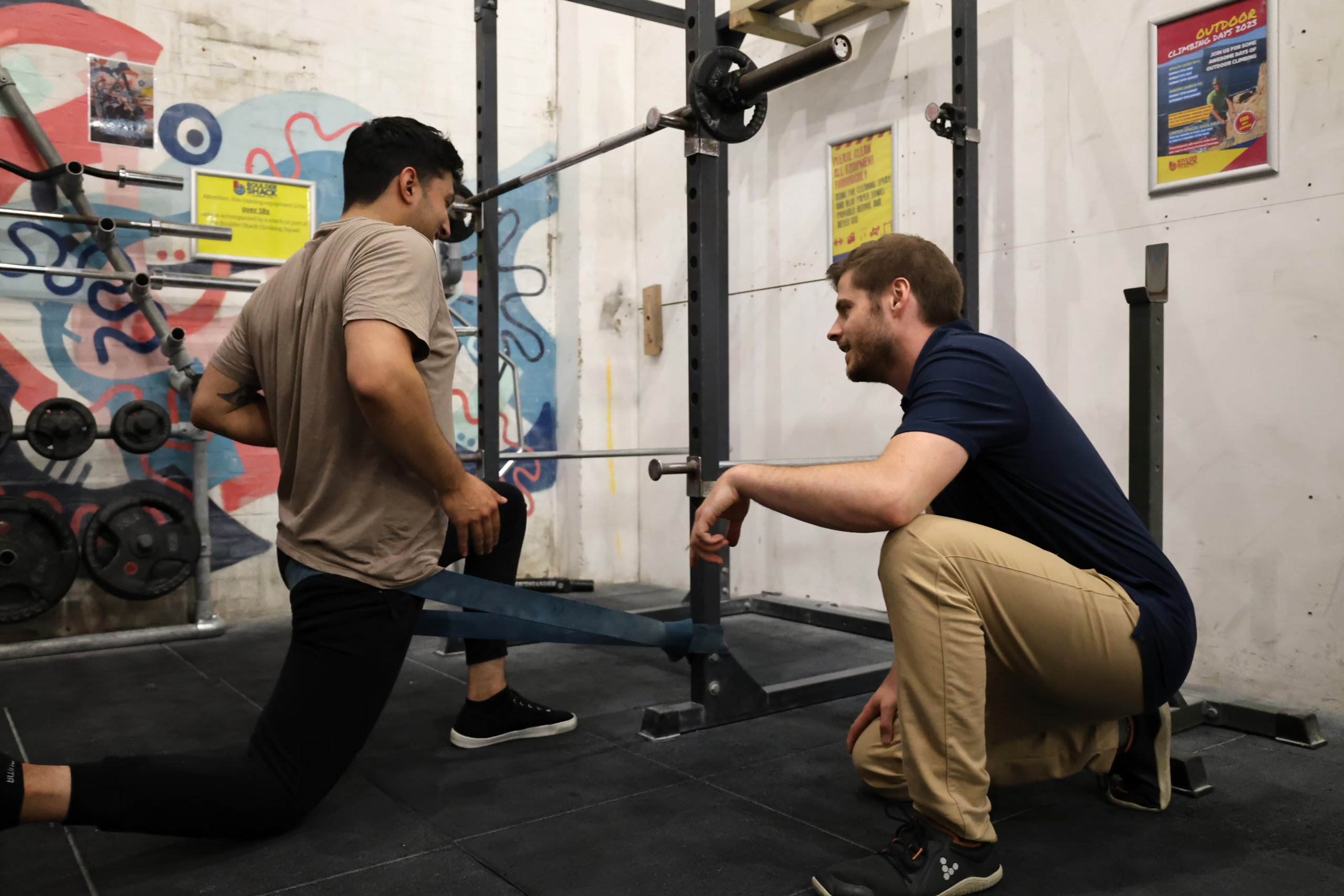
We use progressive resistance training tailored to hypermobile joints, starting with isometric holds and control work, gradually building toward higher-load strengthening. You’ll learn how to load tissues without overloading them, how to recognize the difference between productive discomfort and warning signals, and how to pace activity to avoid boom-bust cycles.
For some people, especially those who’ve tried multiple treatments without lasting results, we offer a more comprehensive pathway that integrates our full team over 12–16 weeks. This is designed for persistent or complex issues that need a deeper root-cause approach, combining physiotherapy, clinical personal training, and ongoing support to rebuild capacity and confidence.
Explore our Clinical Personal Training pathway
What You Can Start Doing Today
While you’re waiting for your assessment, these strategies help most people with hEDS:
- Avoid end-of-range positions — don't push joints to their full range, especially under load. If you're hypermobile, your joints can go further than they should, which increases injury risk.
- Strengthen muscles around unstable joints — even basic exercises like wall press-ups, supported squats, or resistance band work help stabilize joints and reduce pain over time.
- Pace your activity — avoid boom-bust cycles where you do too much on good days and crash afterward. Consistency beats intensity for hEDS.
These aren’t long-term solutions, but they help reduce symptom flares while you work toward more structured rehabilitation.

Why Choose Southampton Physio for hEDS?
hEDS requires specialist understanding. Generic physiotherapy approaches can make symptoms worse if they don’t account for hypermobility, pain sensitivity, and the multi-system nature of the condition.
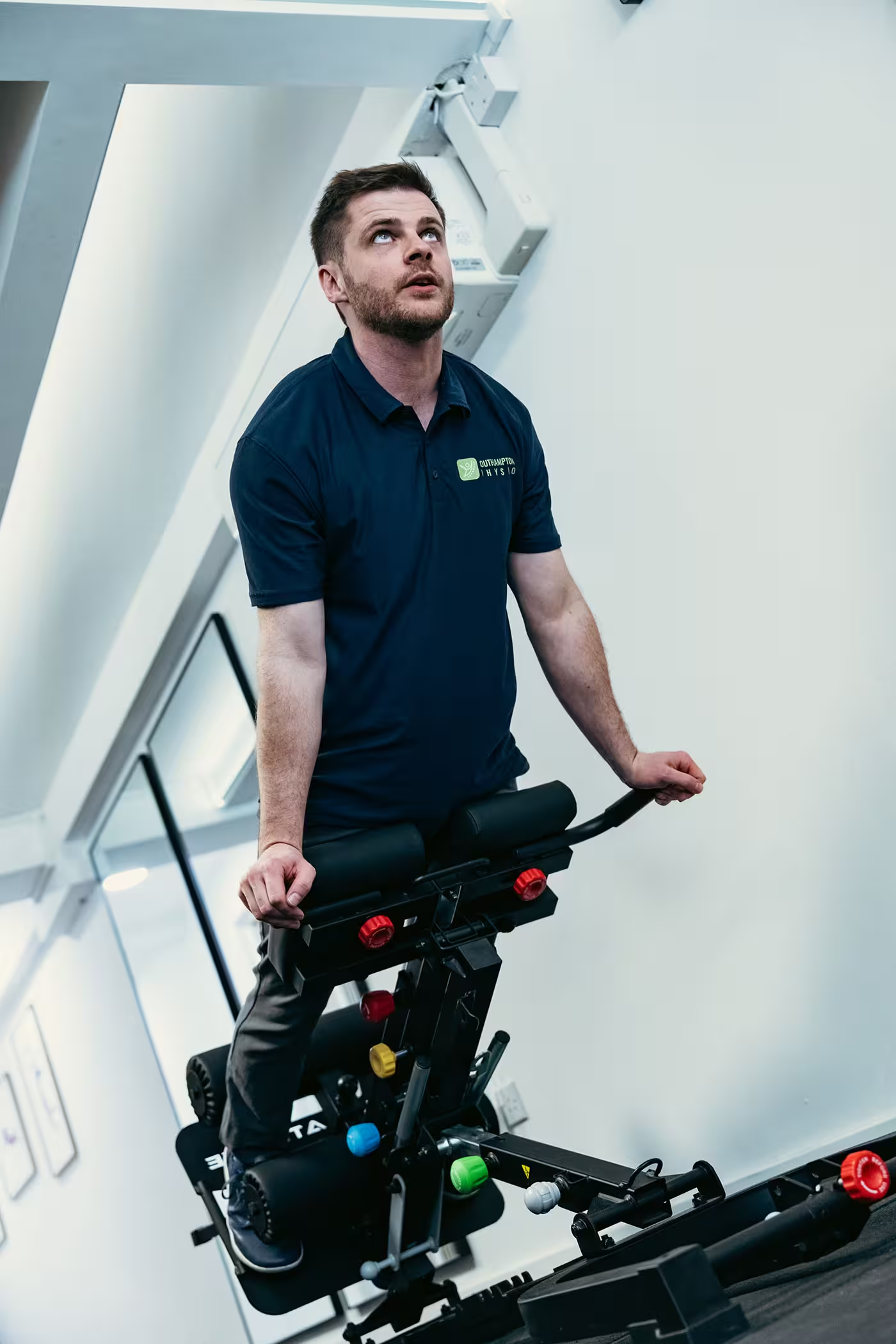
Ian Greaves, our lead clinician, has specialist experience treating hypermobility and chronic pain conditions. He understands the complex relationship between joint instability, pain processing, and autonomic symptoms, and has developed expertise managing patients with hEDS across all functional levels — from those struggling with daily activities to athletes looking to return to high-level sport. Ian is listed on the Ehlers-Danlos Society healthcare professionals directory.
Our approach integrates physiotherapy, osteopathy, sports therapy, and clinical personal training under one roof, which means you don’t need multiple referrals to different clinics. We work as a team, with clear communication and shared treatment plans tailored to your specific presentation.
“I’ve had 3 sessions with Ian now and they have been so helpful already and I’m really excited and optimistic to see my progress working with him. I have a fairly complex medical history but am seeing him predominantly for strength and conditioning training due to Hypermobility/EDS issues and his specialist understanding of it makes me feel so supported. Defo recommend.” — Sophie Marshall
We’re located at 35 Bedford Place, Southampton, SO15 2DG, and also see patients at our Bishops Waltham clinic. Many of our hEDS patients travel from across Hampshire because of our specialist approach.
Frequently Asked Questions About hEDS in Southampton
Can a physio help with hEDS?
Yes. Physiotherapy is one of the most effective treatments for hEDS. Research shows that therapeutic exercise and motor function training improve functional outcomes, reduce pain catastrophizing, and enhance quality of life (Pacey et al., 2023). Physios specialising in hypermobility can design progressive strengthening programs that stabilize joints, improve movement control, and build long-term resilience.
How is hEDS diagnosed?
hEDS is diagnosed using the 2017 international clinical criteria, which require a Beighton score of ≥5/9 in adults under 50 (or ≥4/9 in adults over 50), musculoskeletal manifestations such as recurrent dislocations or chronic pain, and exclusion of other conditions. There is no genetic test for hEDS, unlike other types of Ehlers-Danlos syndrome. Diagnosis is usually made by a rheumatologist or geneticist.
Do I need a scan for hEDS?
No. hEDS is a clinical diagnosis based on symptoms, joint hypermobility testing, and family history. Scans like X-rays or MRIs don’t diagnose hEDS, though they may be used to rule out other conditions or assess joint damage if you’ve had repeated dislocations.
How many sessions will I need?
Most people with hEDS benefit from an initial block of 6–8 sessions to establish a strengthening program, address pain flares, and develop pacing strategies. After that, many transition to less frequent check-ins (monthly or as needed) while continuing their exercise program independently. Complex cases may require longer-term support.
Will my hEDS get worse over time?
hEDS is a lifelong condition, but symptoms don’t inevitably worsen. Many people find that targeted strengthening, pacing strategies, and understanding their triggers allow them to improve function and reduce pain significantly. Pregnancy, injury, and periods of deconditioning can trigger flares, but these are manageable with the right support.
Can I exercise with hEDS?
Yes, and you should. Strengthening exercise is the most effective long-term management strategy for hEDS. The key is choosing appropriate exercises, avoiding end-of-range loading, and progressing gradually. High-impact activities like running or jumping may need modifications, but resistance training, Pilates, swimming, and cycling are usually well tolerated.
What should I avoid with hEDS?
Avoid pushing joints to their full range under load, high-impact activities without appropriate strength foundation, and overstretching (flexibility is not your problem). Traditional yoga that emphasises deep stretches may aggravate symptoms unless modified.
Is hEDS the same as being hypermobile?
No. Many people are hypermobile without having hEDS. hEDS is a specific genetic condition with chronic pain, tissue fragility, and multi-system involvement. Hypermobility spectrum disorder (HSD) describes people with joint hypermobility and symptoms but who don’t meet full hEDS diagnostic criteria.
Does hEDS affect life expectancy?
hEDS itself does not reduce life expectancy. Unlike vascular Ehlers-Danlos syndrome, hEDS is not associated with life-threatening vascular complications. However, quality of life can be significantly affected, which is why effective management is essential.
Can physiotherapy cure hEDS?
No. hEDS is a genetic condition and cannot be cured. Physiotherapy helps you manage symptoms, improve function, build strength, and reduce pain. Most people achieve significant improvements in daily function and quality of life with consistent rehabilitation.
Booking
Ready to Get Moving Again?
hEDS doesn’t have to define what you can do. With the right approach, most people with hEDS significantly improve their function, reduce pain, and rebuild confidence in their body’s ability to tolerate movement and load.
If you’re tired of being told “just avoid those movements” or “live with it,” we can help you build a plan that works. Our team has the expertise to guide you through progressive rehabilitation tailored to your specific presentation, goals, and lifestyle.
Call 023 8110 2077 or book online to arrange your initial assessment.
Southampton Physio
35 Bedford Place, Southampton, SO15 2DG
023 8110 2077
southampton-physio.co.uk
Author: Ian Greaves, MOst, GOsC 11228, Director, Southampton Physio. Listed on Ehlers-Danlos Society Healthcare Professionals Directory.