
What We Treat in Southampton
You do not need a perfect diagnosis to start getting better, you just need the right starting point for your symptoms and goals.
Southampton Physio is a private MSK (musculoskeletal) clinic in Southampton. This What We Treat page helps you choose the most relevant condition category, so you can read clear information, understand what is likely going on, and book the right assessment at our Bedford Place clinic.
We integrate physiotherapy, osteopathy, sports therapy, and strength and conditioning, which means treatment is rarely just one thing. It is typically a blend of hands-on work (when helpful), education, and progressive exercise, so you can build capacity and confidence rather than relying on short-term fixes.
Prefer to talk it through first?
Call us on 02381 102077
Which condition hub fits you best?
The fastest way to get the right help is to choose the area or pattern that best matches you. Each hub below links to a full page with common presentations, what tends to drive them, and how we typically approach treatment.
Back, Neck & Nerve Pain
If your symptoms are mainly in your spine, or you have nerve-type symptoms like pins and needles, numbness, or pain travelling into the arm or leg, start here.
Common examples include back pain, neck pain, sciatica-like symptoms, headaches linked to the neck, and nerve sensitivity.
Shoulder, Elbow & Wrist Pain
If your pain is in the shoulder, arm, elbow, forearm, or wrist, or you are struggling with pushing, pulling, pressing, gripping, or overhead work, start here.
This includes common problems like rotator cuff irritation, frozen shoulder, tennis or golfer’s elbow, and wrist or hand pain.
Hip, Knee, Ankle & Foot Pain
If your symptoms are mainly in the lower limb, or you are limited by walking, stairs, running, squatting, or sport, start here.
This includes hip pain, knee pain, Achilles and calf issues, ankle sprains, foot pain, and overuse problems that build gradually with training or daily load.
Sports & Overuse Injuries
If your symptoms are linked to training, sport, or a gradual build-up from doing more than your tissues were ready for, start here.
This hub includes running-related injuries (as a pillar inside this hub), climbing injuries, tendinopathy-type presentations, and recurring flare-ups that need a smarter loading plan.
Hypermobility, hEDS & Joint Instability
If you are hypermobile, have suspected or diagnosed hEDS/HSD, or you feel like joints are unstable, unreliable, or prone to recurring flare-ups, start here.
This hub focuses on building stability, strength, and confidence with an approach that respects how hypermobile bodies respond to load, fatigue, and stress.
Desk & Screen-Related Pain
If your symptoms build up with desk work, long screen time, commuting, or static positions, start here.
This is not about “fixing posture”. It is about reducing the effects of prolonged static loading, improving movement options, and building strength so your neck, shoulders, and back cope better with work and life.
What to expect when you book
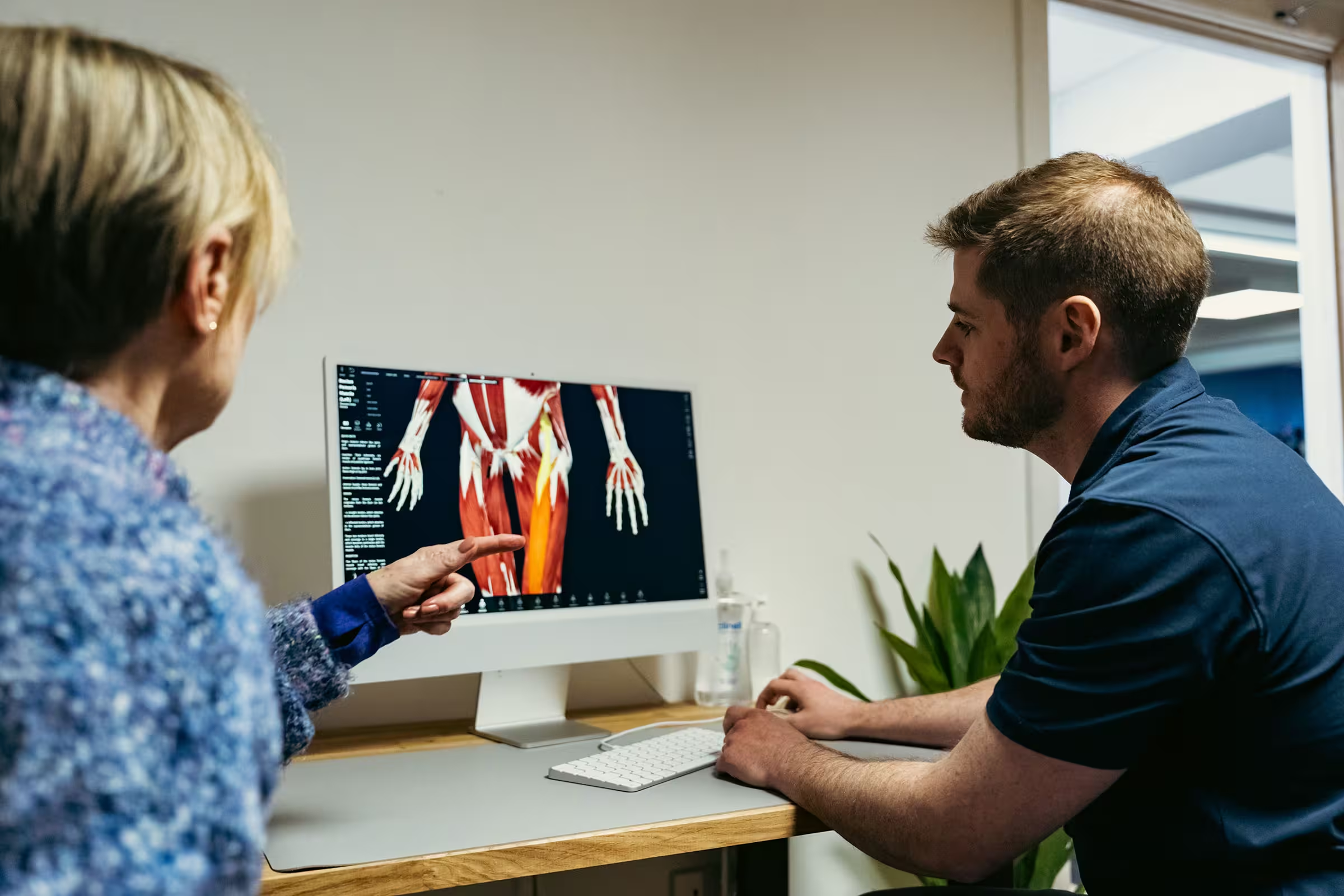
You can expect a clear plan, not guesswork. Your first appointment focuses on understanding what is driving your symptoms, what matters most to you, and what you can do next.
Most plans include:
- A thorough assessment (history, movement, strength, and relevant tests).
- A clear explanation in plain English.
- A rehab plan you can actually follow (with progressions, not random exercises).
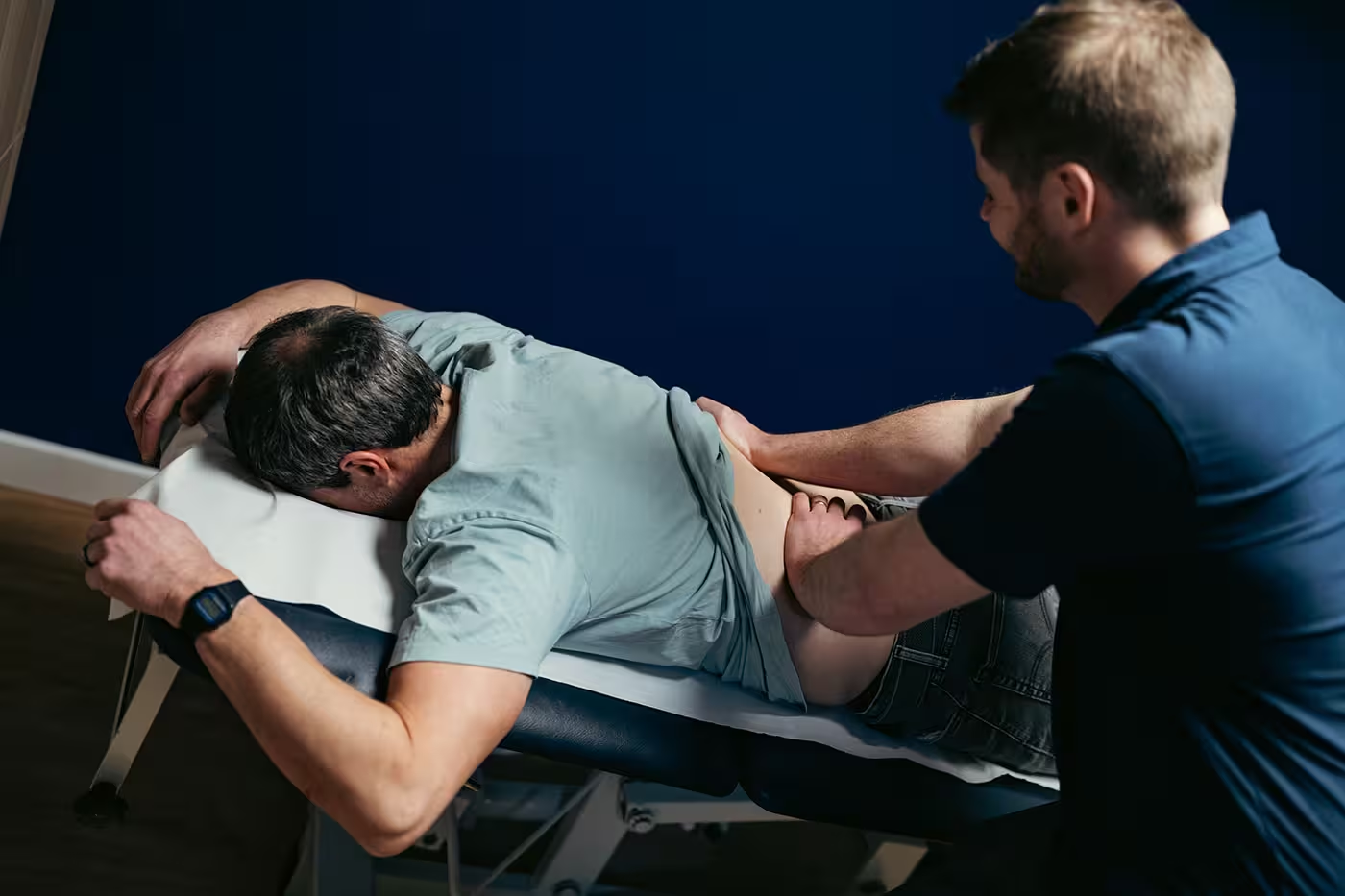
- Hands-on treatment when it helps settle symptoms and make movement easier, as part of the bigger plan.
Why patients choose Southampton Physio
Southampton Physio is built for people who want to understand their issue and take sensible action. The clinic combines physiotherapy, osteopathy, sports therapy, and strength and conditioning, so treatment can match the real driver of your problem, not just the painful area.
We take an evidence-informed approach. For example, published research co-authored by Ian Greaves has explored the role of touch in osteopathic clinical encounters, which supports a modern, patient-centred view of hands-on treatment as part of clinical care.
Frequently Asked Questions (FAQs)
Do I need a referral to see a physiotherapist?
No. You can book directly with Southampton Physio without a GP or consultant referral.
What if I am not sure what is wrong?
That is normal. Choose the hub that best matches your symptoms, then book an assessment. The goal of the first session is to work out what is most likely driving your symptoms, and what to do next.
What is the difference between physiotherapy and osteopathy?
Physiotherapy and osteopathy both assess pain, movement, and function. In practice, the best approach is often less about the label and more about getting a clinician who can assess properly, explain clearly, and build a rehab plan that progresses. At Southampton Physio, the team integrates physiotherapy, osteopathy, and strength-based rehab rather than treating them as competing options.
Can physiotherapy help with nerve pain, sciatica, or pins and needles?
Often, yes. Nerve-type symptoms can come from irritation in the spine, sensitivity of the nerve itself, or a combination of factors. The assessment is designed to identify what pattern fits you, rule out red flags, and build a plan to settle symptoms while restoring strength and confidence.
I have had pain for months or years. Is it too late?
No. Persistent pain can improve, but it usually needs a plan that respects your baseline, your stress and sleep, and how your body is currently tolerating load. The aim is steady progress and better function, not unrealistic promises.
How many sessions will I need?
It depends on the problem, your goals, and how long it has been going on. Some people feel meaningful changes in a few sessions, while more complex or persistent problems typically take longer and need a progressive plan between appointments.
How do I choose the right hub if I have pain in more than one area?
Choose the hub that best matches the main limiting problem right now, or the area where symptoms started. If it genuinely spans multiple areas, start with the hub that best reflects the overall pattern.
What should I do next?
Pick the closest hub above, read the cluster page, and book your assessment. If you are unsure, book anyway and we will help you choose the right starting point in the first session.

Booking
Ready to find the right starting point?
If you are not sure what to call your problem, that is fine. Pick the closest hub, read the cluster page, and book an assessment. We will work out what is going on, what you can do next, and how to build progress you can measure.