
Hypermobility
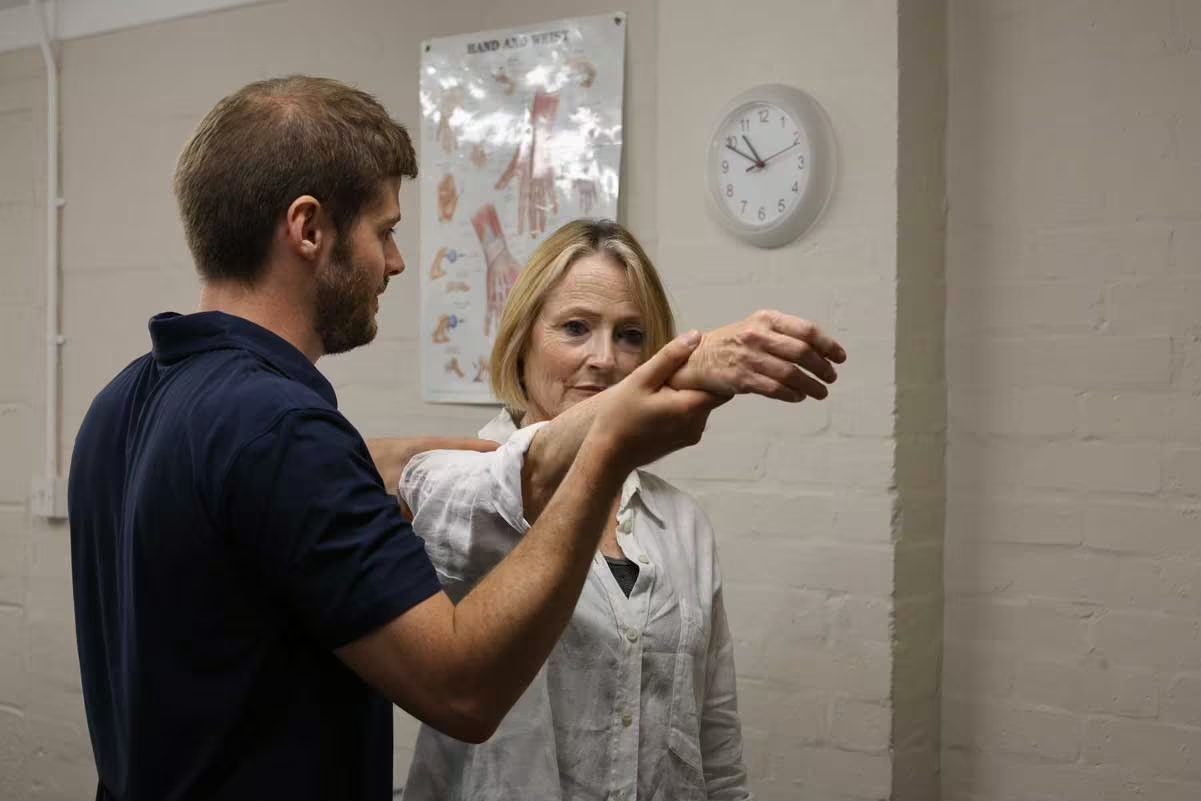
Hypermobility Physiotherapy Southampton: Specialist Care for hEDS, HSD and Complex Presentations
If you’ve been told you’re “just flexible,” dismissed as anxious, or handed generic stretching advice that made things worse, you’re not alone. Many people with hypermobility spend years moving between practitioners in Southampton and beyond without finding someone who genuinely understands how complex this condition can be. At Southampton Physio, hypermobility is one of our specialist areas — not a box-ticking exercise.
Joint hypermobility is a condition where one or more joints move beyond their normal range of motion due to lax connective tissue caused by altered collagen structure. While around 10% of the UK population have hypermobile joints, only a smaller proportion experience symptoms. When hypermobility causes pain, instability, fatigue, or functional limitation, it may be classified as symptomatic Joint Hypermobility Syndrome (JHS), Hypermobility Spectrum Disorder (HSD), or in more complex presentations, hypermobile Ehlers-Danlos syndrome (hEDS). These symptomatic conditions affect approximately 1 in 500 people in the UK, with 70% of diagnosed cases occurring in females.
What Makes Hypermobility Different from Other Conditions?
The presentations we see are incredibly varied. Some people experience mild joint instability and difficulty feeling muscles activate properly. Others live with frequent subluxations, persistent pain, crushing fatigue, dizziness, and neurological symptoms that have been unexplained or dismissed elsewhere.
There is no “normal” in this patient group. The spectrum is wider than for any other condition we treat. That’s why individual assessment and treatment planning aren’t marketing language here — they’re clinical necessity.
Hypermobility is not one condition. It is a spectrum of related presentations with different diagnostic labels, different severity levels, and different treatment needs. This page gives you an overview of what we see and how we approach it. For more detail on specific diagnoses, see the links below.
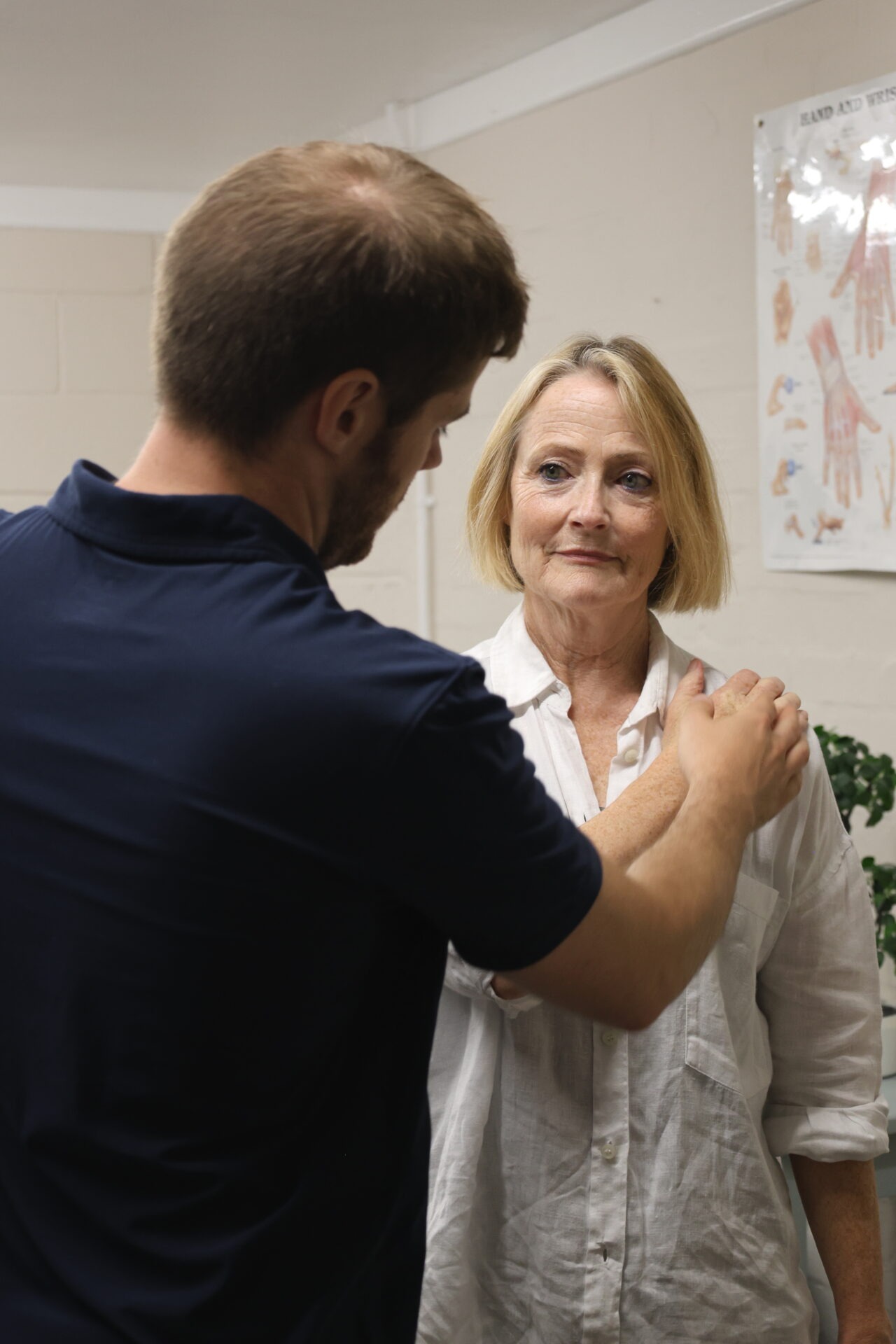
The Hypermobility Spectrum: Which Diagnosis Applies to You?
Symptomatic hypermobility falls into three main diagnostic categories:
Joint Hypermobility Syndrome (JHS) is an older diagnostic term, largely replaced by HSD. If you were diagnosed with JHS, current guidance would likely classify you as having HSD.
Hypermobility Spectrum Disorder (HSD) is the current diagnosis for symptomatic hypermobility that doesn’t meet the full criteria for hEDS. It is not a lesser diagnosis — it describes joint symptoms (pain, instability, recurrent injury) alongside generalised or localised hypermobility, and it requires the same careful, individualised rehabilitation approach.
Hypermobile Ehlers-Danlos Syndrome (hEDS) is the most common subtype of EDS. It is a genetic connective tissue disorder meeting strict diagnostic criteria, including a Beighton Score of ≥5 in adults, systemic symptoms, and positive family history.
We do not diagnose hEDS or HSD — that requires medical assessment through genetics or rheumatology. We can, however, treat the symptoms effectively whether or not you have a formal diagnosis, and we can support you in accessing NHS diagnostic pathways.
Learn more about hEDS — what it is, how it’s diagnosed, and how we treat it
Learn more about HSD — how it differs from hEDS and what treatment looks like
Why Hypermobility Needs a Different Approach to Physiotherapy
Standard physiotherapy is designed for people with typical connective tissue. The usual advice — stretch tight muscles, increase range of motion, push through discomfort — can actively worsen hypermobility symptoms. Your joints already move too far. Stretching into end-range positions increases instability. High-intensity exercise without careful progression triggers flare-ups and post-exertional symptom exacerbation (PESE).
What works for hypermobility is fundamentally different. The cornerstone of evidence-based rehabilitation is not flexibility — it is stability, strength, and accurate proprioception built up gradually over time:
- Proprioceptive training — retraining your nervous system's ability to sense joint position, which is impaired in most hypermobile patients
- Progressive strengthening — building the dynamic muscle control that compensates for ligament laxity, using graded loading that respects your individual tolerance
- Pacing and load management — preventing the boom-bust cycles that worsen fatigue and PESE
- Pain neuroscience education — understanding why pain doesn't always mean damage, and how to rebuild confidence in movement
This is not a six-week programme. For most people with symptomatic hypermobility, rehabilitation is a longer process of building capacity gradually, with plenty of monitoring and adjustment along the way. Quick fixes don’t exist for connective tissue conditions — but real, lasting improvement is achievable when the approach is right and the dose is appropriate to your body.
Why hypermobility needs different physiotherapy — a detailed guide
The Evidence Base for Hypermobility Treatment
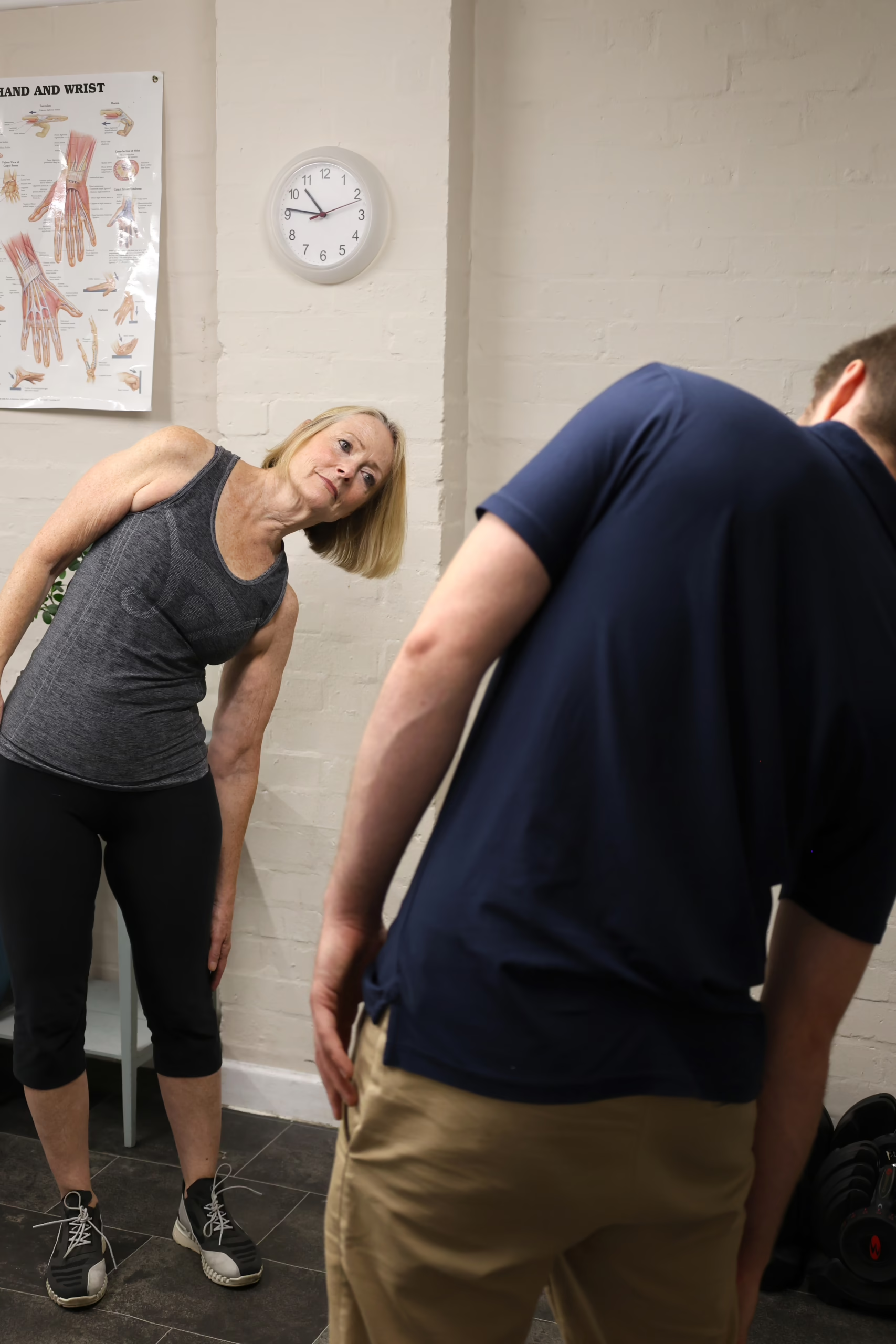
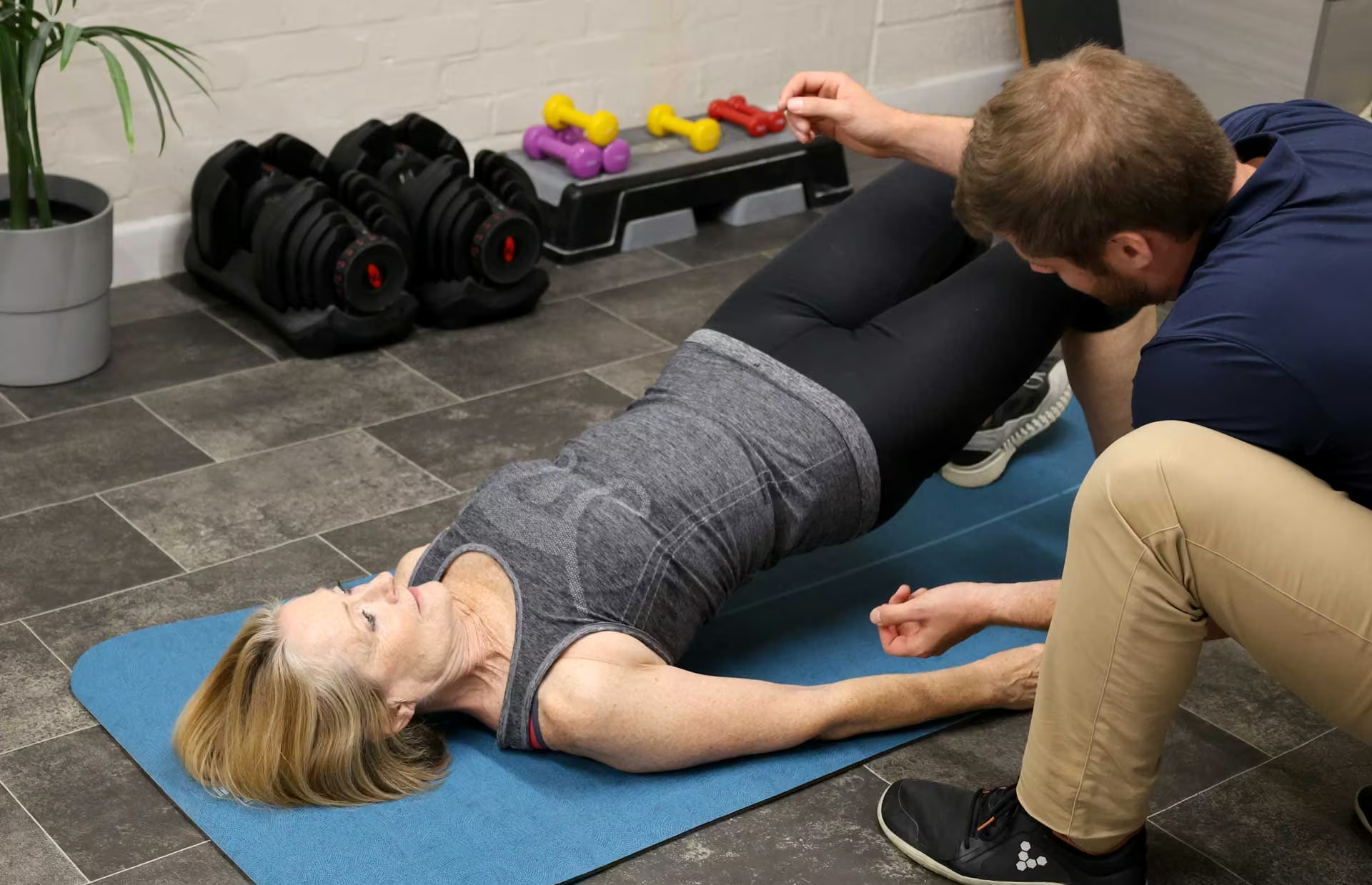
- Proprioceptive training: Research shows that targeted 6-8 week proprioceptive programmes can significantly improve proprioception, balance, and pain in hEDS and HSD. In some cases, absent or diminished reflexes have been restored in 50% of hEDS patients following structured proprioceptive rehabilitation.
- Progressive strengthening: High-load strength training using resistance that challenges muscles without destabilising joints is supported by moderate-quality evidence for hypermobility. The key is progression rate — standard programmes often move too quickly for hypermobile connective tissue.
- Pain neuroscience education: Emerging evidence shows that pain neuroscience education combined with exercise reduces pain, pain-related disability, and kinesiophobia (fear of movement) in hEDS. This isn't about dismissing your pain — it's about giving you a framework to understand it.
- Outcomes data: Fewer than 15% of hEDS patients report improvement in hypermobility itself with treatment — the underlying collagen structure doesn't change. However, 26% report joint pain reduction, and most report improvements in proprioception, strength, and function. 88% of HSD patients (versus 14% of hEDS patients) reported exercise reduced their pain — outcomes vary significantly between diagnostic groups.
Conditions That Often Occur Alongside Hypermobility
Many people with hEDS and HSD experience symptoms that go well beyond the joints. These are not separate problems — they are part of the same connective tissue picture.
- POTS and dysautonomia: Postural Orthostatic Tachycardia Syndrome is common in hypermobile patients. Symptoms include dizziness, palpitations, and extreme fatigue on standing. Exercise reconditioning is the evidence-based first-line treatment — but it requires a very specific approach, starting horizontal and progressing gradually to upright exercise.
- Fatigue and post-exertional symptom exacerbation: Profound fatigue that is not proportional to activity is one of the most disabling features of hypermobility. PESE — worsening symptoms after physical or mental exertion — affects a significant proportion of our hypermobile patients. Pacing and baseline-setting are central to how we manage this.
- ADHD and autism: These co-occur frequently with hEDS and HSD. At Southampton Physio, we are ADHD and autism aware. We routinely modify our clinical environment for sensory sensitivities, adapt communication styles, and adjust treatment delivery accordingly. If you need a quieter space, written instructions, or a slower pace — just let us know.
- Anxiety and kinesiophobia: After repeated injuries or being told your joints are "unstable," many hypermobile patients develop significant fear of movement. This is a normal response to an abnormal situation, and it's something we address directly through pain education and graded exposure.

How We Assess and Treat Hypermobility at Southampton Physio
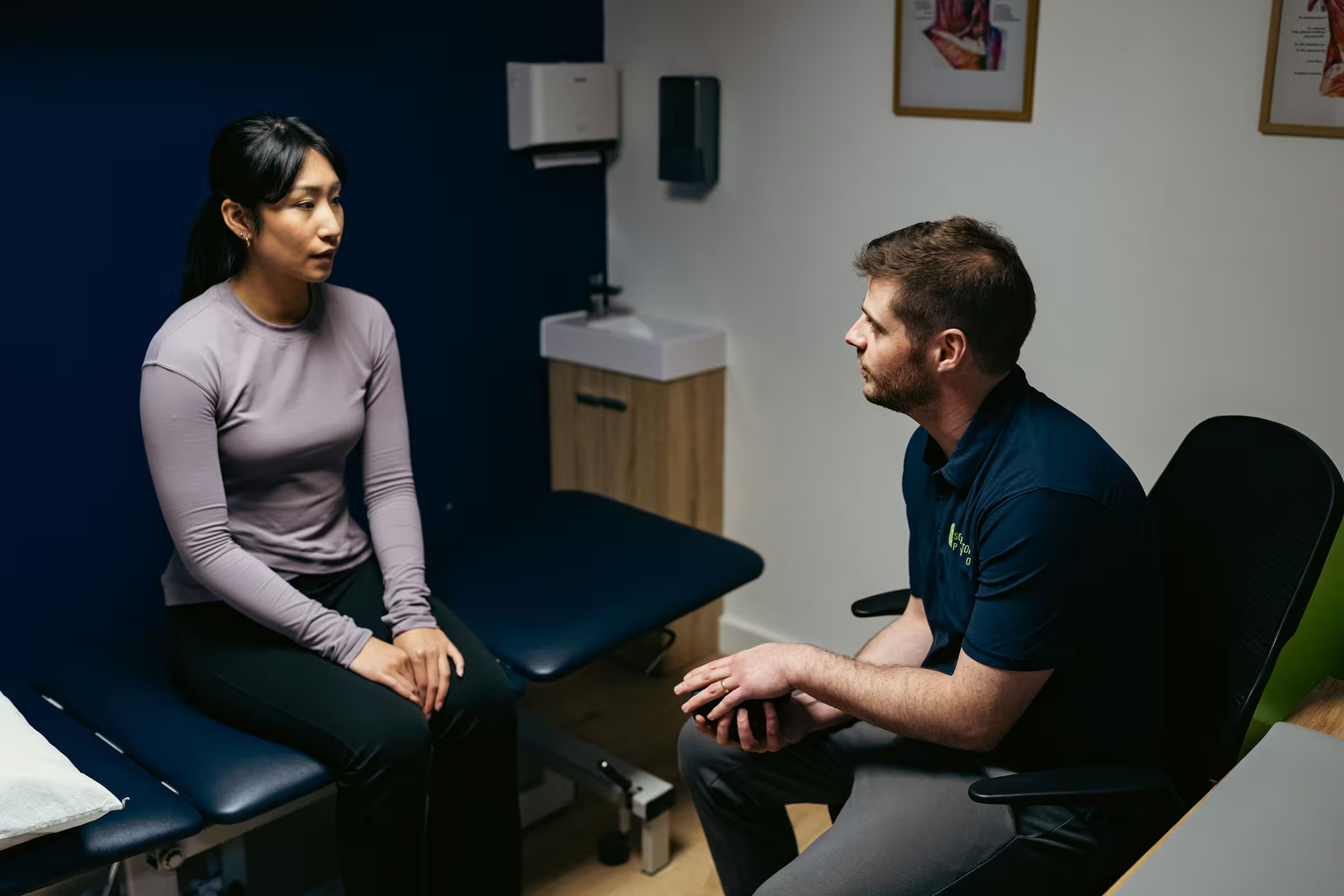
We start with a thorough assessment — not just your joints, but your whole presentation. Pain patterns, fatigue, autonomic symptoms, previous experiences with healthcare, what you’ve already tried, and what hasn’t worked. Treatment is built around your capacity and your goals, not a standard protocol.
Phase 1: Acute management and baseline-setting (2-4 weeks)
Reducing acute pain and muscle spasm, establishing a safe activity baseline, beginning education on pacing and pain neuroscience. Hands-on treatment (manual therapy, soft tissue work) can help settle symptoms in the short term — but it is not the foundation of treatment. The goal in this phase is to get you stable enough to begin building, not to chase a quick fix that won’t last.
Phase 2: Proprioceptive training and stability (4-8 weeks)
Joint-specific proprioceptive exercises, graded strengthening, Pilates-based rehabilitation for global postural control, and close monitoring for post-exertional symptom exacerbation. We work in closed-chain positions where appropriate — exercises with the hand or foot fixed on a surface — because these tend to provide richer joint feedback and lower destabilising load. Throughout this phase we are watching for delayed-onset soreness patterns and recovery times that fall outside the typical range, and we adjust your programme accordingly.
Phase 3: Progressive loading and functional integration (8-16 weeks)
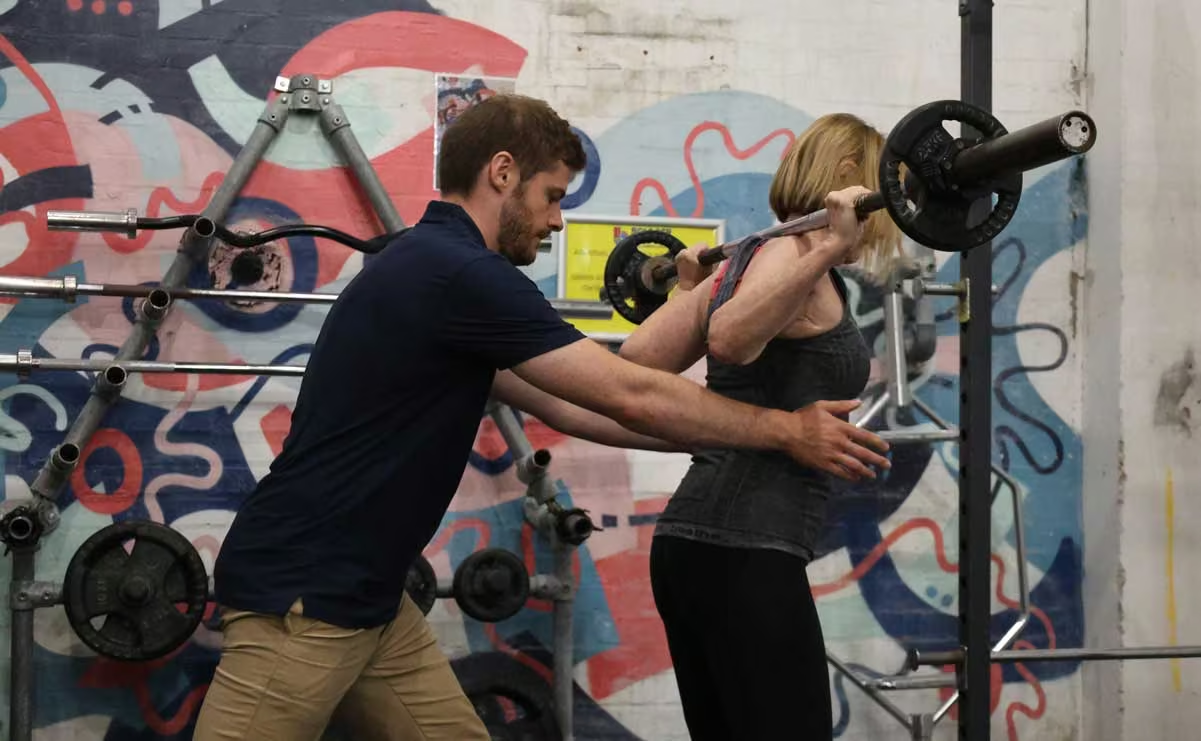
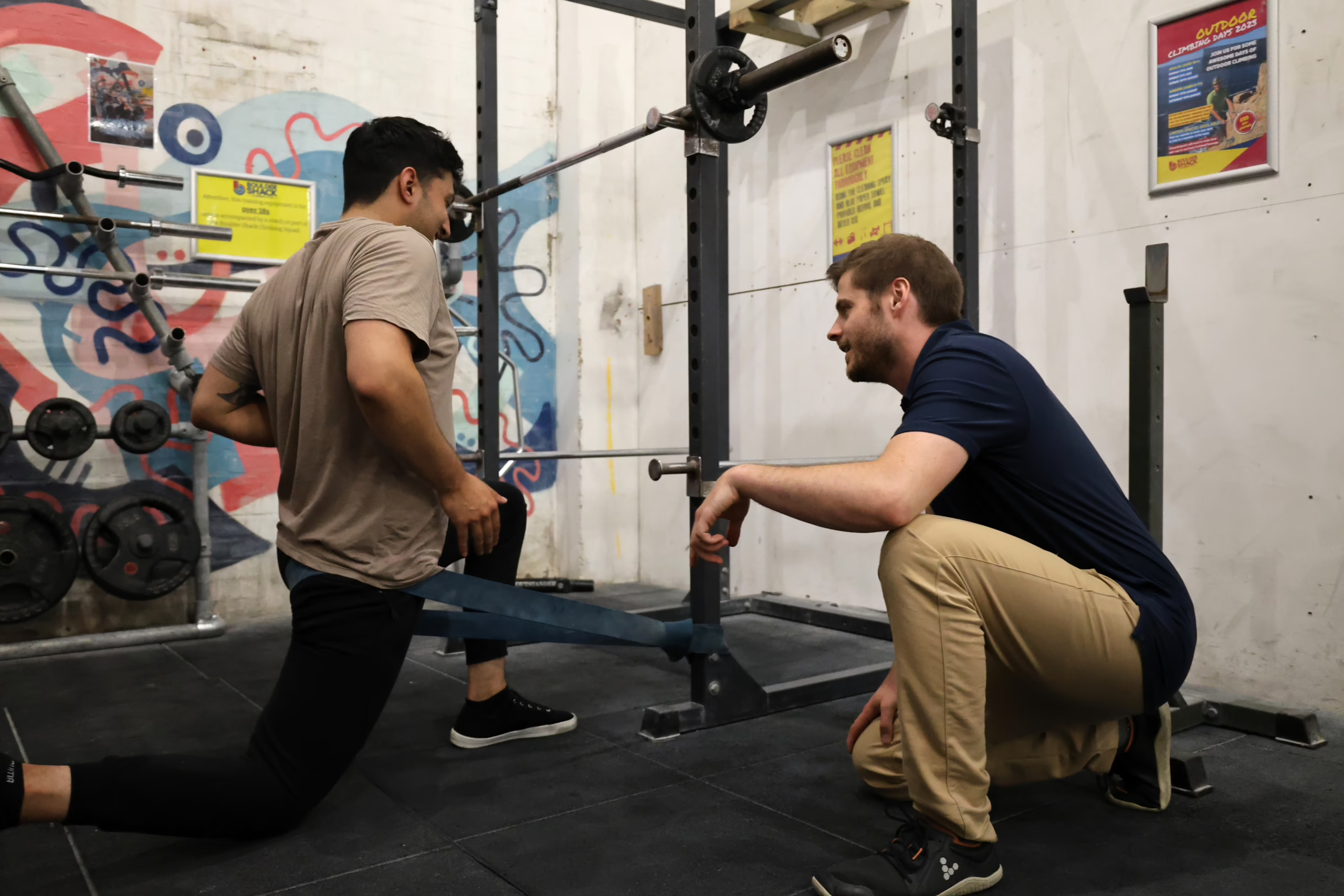
Gym-based or home exercise programmes with progressive resistance, sport-specific or activity-specific rehabilitation, and continued pacing and load management education. By this stage we are loading patterns that match your real-life demands — whether that’s lifting a child, returning to climbing, getting back to running, or simply being able to work a full day without flaring. Progression is steady and individualised, not protocol-driven.
Clinical Personal Training for long-term hypermobility management
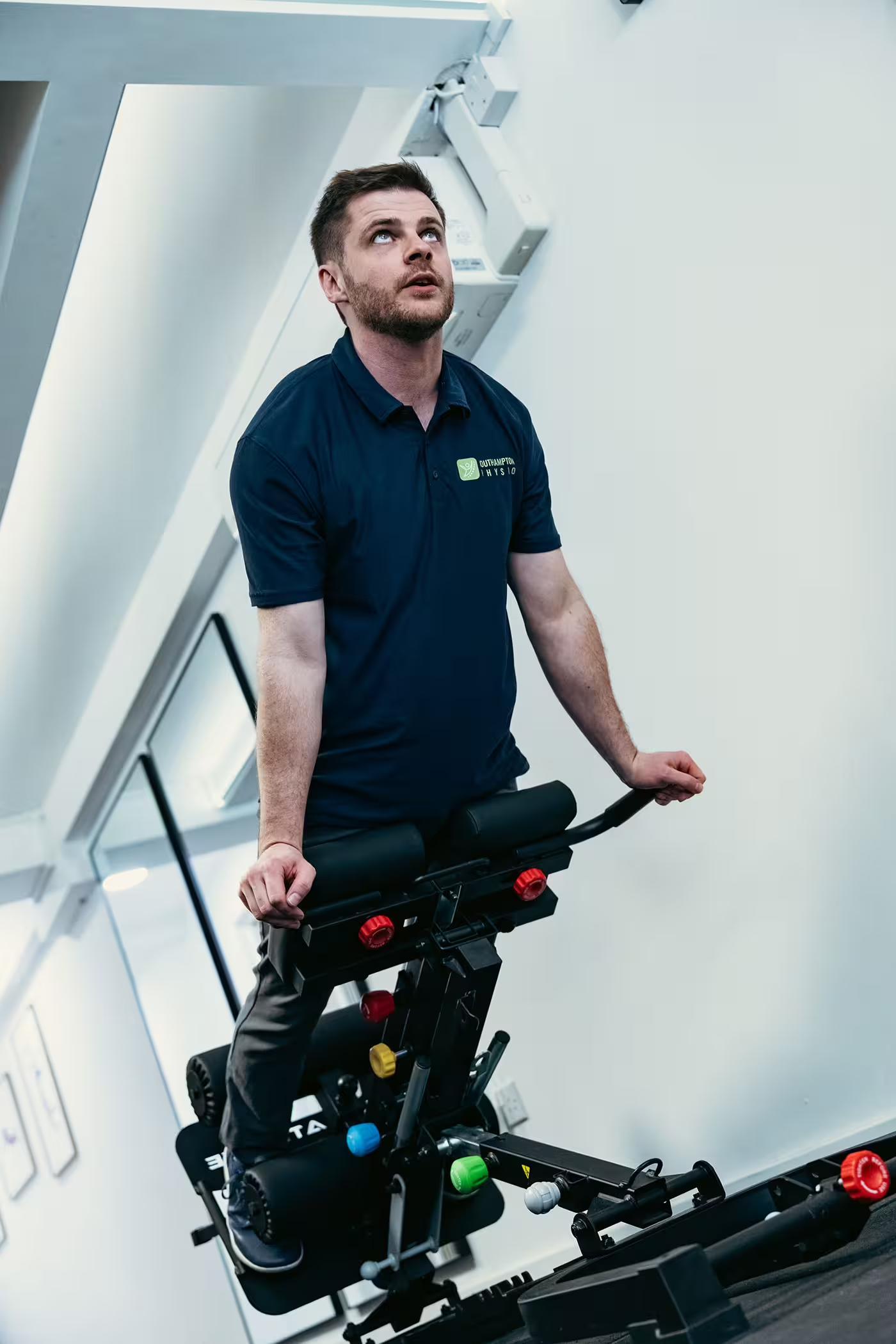
Cervical instability: We use Neckslevel equipment for assessing and rehabilitating cervical spine strength and control — a significant concern for many hypermobile patients. We do not manage surgical-level craniocervical instability (CCI), which requires specialist neurosurgical input. For symptomatic cervical hypermobility below that threshold, targeted neck strengthening can be transformative.
Exercise and hypermobility — what to avoid and why:
Exercise guidance for hypermobility — what works, what doesn’t, and how to progress safely
Supporting You Through NHS Diagnostic Pathways
Many patients we see have not yet received a formal diagnosis, or have waited years for one. We cannot diagnose hEDS or HSD — but we can:
- Help you collate and document symptoms for GP appointments
- Provide detailed clinical letters outlining functional limitations and rehabilitation progress
- Liaise with other healthcare providers (rheumatology, genetics, pain clinics)
- Support you in accessing the care you need, even when the NHS pathway is slow
We don’t frame this as “your GP was wrong.” We position it as additive support — giving you the tools to communicate your experience more effectively.


When Should You See a Physiotherapist for Hypermobility?
Book an assessment if you:
- Have recurrent joint pain or instability that isn't improving with rest
- Have been diagnosed with hEDS, HSD, or JHS and need specialist rehabilitation
- Experience frequent subluxations or dislocations
- Have autonomic symptoms (dizziness, fatigue, POTS-type features) alongside joint problems
- Have tried generic physiotherapy that made things worse
- Have been dismissed or told your symptoms are anxiety
- Want support in documenting symptoms for NHS diagnostic pathways
- Are struggling with post-exertional symptom exacerbation
Red flags — seek urgent medical attention if you experience:
- A limb changing colour or becoming completely numb following dislocation (compromised circulation — A&E immediately)
- Recurrent dislocations with severe muscle spasm preventing self-relocation
- Unexplained severe chest or abdominal pain
- Anaphylaxis-like reactions (possible mast cell activation)
- Persistent neurological symptoms: numbness, weakness, loss of consciousness
Frequently Asked Questions About Hypermobility in Southampton
Can a physiotherapist help with hypermobility?
Yes — but only if they understand the condition. Standard physiotherapy approaches (mobilisation, stretching, high-intensity exercise) can worsen hypermobility symptoms. Physiotherapists with specialist training in hypermobility use proprioceptive retraining, graded strengthening, and pacing strategies that address the underlying instability rather than inadvertently increasing it. At Southampton Physio, hypermobility is a clinical specialism, not a condition we occasionally encounter.
How is hypermobility different from just being flexible?
Flexibility means your muscles and soft tissues allow a wide range of motion. Hypermobility means your ligaments are structurally lax due to altered collagen, allowing joints to move into positions they’re not designed to sustain. Flexibility is a physical characteristic. Hypermobility is a connective tissue property that can cause instability, pain, and systemic symptoms — it’s a fundamentally different thing.
Do I need a formal diagnosis before seeing a physiotherapist?
No. We can assess your symptoms, begin appropriate rehabilitation, and support you in seeking a formal diagnosis through the NHS if that’s relevant to you. A diagnosis of hEDS or HSD does not change our initial rehabilitation approach significantly — what matters is your symptom pattern, your capacity, and your goals.
How long does hypermobility physiotherapy take?
Timelines vary significantly. Acute pain management may take 2-4 weeks. Building proprioceptive control and foundational strength typically takes 4-8 weeks. Progressive loading and return to activity may take 8-16 weeks. Long-term management is often ongoing — the goal is to give you the tools to manage independently, with periodic support as needed.
What exercises should I avoid with hypermobility?
Avoid overstretching and end-range loading — yoga poses emphasising extreme flexibility, deep static stretching, and contortion. Avoid high-impact uncontrolled exercise (HIIT, plyometrics, contact sports) before building adequate muscle control. Avoid the “push through the pain” mentality — for hypermobile patients, this worsens sensitisation and triggers PESE. What to do instead: graded, controlled loading within a comfortable range, with a traffic light system for monitoring symptoms.
Is there a cure for hypermobility?
No. The underlying collagen structure does not change. However, symptoms can be managed very effectively with the right rehabilitation. The goal is not to “fix” hypermobility — it’s to help you move confidently, reduce pain, build strength, and prevent flare-ups. Most people with symptomatic hypermobility can live active, fulfilling lives with appropriate support.
What is the difference between hEDS and HSD?
hEDS (hypermobile Ehlers-Danlos syndrome) requires meeting specific diagnostic criteria: a Beighton Score of ≥5 in adults, a positive family history, and systemic features. HSD (Hypermobility Spectrum Disorder) is the diagnosis when hypermobility causes symptoms but doesn’t meet the full hEDS criteria. Both require specialist physiotherapy. Both are real and significant conditions. HSD is not a milder or lesser version of hEDS — it’s a different diagnostic category.
Can hypermobility affect children?
Yes — hypermobility is more common in children and often improves with age as ligaments naturally stiffen. However, children with symptomatic hypermobility benefit from early assessment and guided exercise to build strength and proprioception. We see patients of all ages.
Full guide to hEDS vs HSD — differences, diagnosis, and what it means for treatment

Why Choose Southampton Physio for Hypermobility?
Specialist understanding and lived experience
Ian Greaves, our clinic director, has lived experience of autonomic dysfunction, widespread pain, and fatigue — the same systemic features that are common in hEDS and HSD. This lived experience, combined with specialist clinical training, creates a level of understanding that is rare to find in a physiotherapy clinic. Ian is listed on the Ehlers-Danlos Society healthcare professionals directory.
Ian Greaves — osteopath, strength coach, and clinic director
ADHD and autism aware
We routinely modify our environment and treatment delivery for patients with ADHD and autism. Sensory accommodations, clear communication, written instructions, and pacing that respects cognitive load. If you need adjustments, we will make them.
Multi-disciplinary team under one roof
Our integrated team includes physiotherapists, a sports therapist, and an osteopath. You don’t bounce between providers.
Long-term partnership when you need it
For acute issues, we’ll get you sorted and discharge you. For complex, recurrent presentations, we’ll partner with you long-term through physiotherapy and Clinical Personal Training.
“I’ve had 3 sessions with Ian now and they have been so helpful already and I’m really excited and optimistic to see my progress working with him. I have a fairly complex medical history but am seeing him predominantly for strength and conditioning training due to Hypermobility/EDS issues and his specialist understanding of it makes me feel so supported. Defo recommend.” — Sophie M.
“Southampton Physio are a brilliant team — supportive, holistic, and kind. There are no other local teams who even have dedicated information about hypermobility, so I was very grateful when I first saw the condition discussed on their website.” — Laura S.
Booking
Ready to Get Started?
If hypermobility is affecting your daily life, work, or the activities you value, our team at Southampton Physio can help you understand what’s driving your symptoms and build a realistic plan to manage them.
We start with a thorough assessment — not just your joints, but your whole presentation. From there, we build a rehabilitation plan tailored to your capacity, your goals, and your life.
Or call us on 023 8110 2077 if you’d like to speak to us first.
Southampton Physio — 35 Bedford Place, Southampton, SO15 2DG
Related Conditions and Services
- hEDS — diagnosis, symptoms, and specialist rehabilitation
- HSD — what it means and how we treat it
- POTS and dysautonomia
- Exercise guidance for hypermobility
- Persistent pain management service
- Pilates for rehabilitation
- Clinical Personal Training
- People with hypermobility — who we help
- POTS (Postural Orthostatic Tachycardia Syndrome)