
Golfer's Elbow Treatment in Southampton
Is This What You're Feeling?
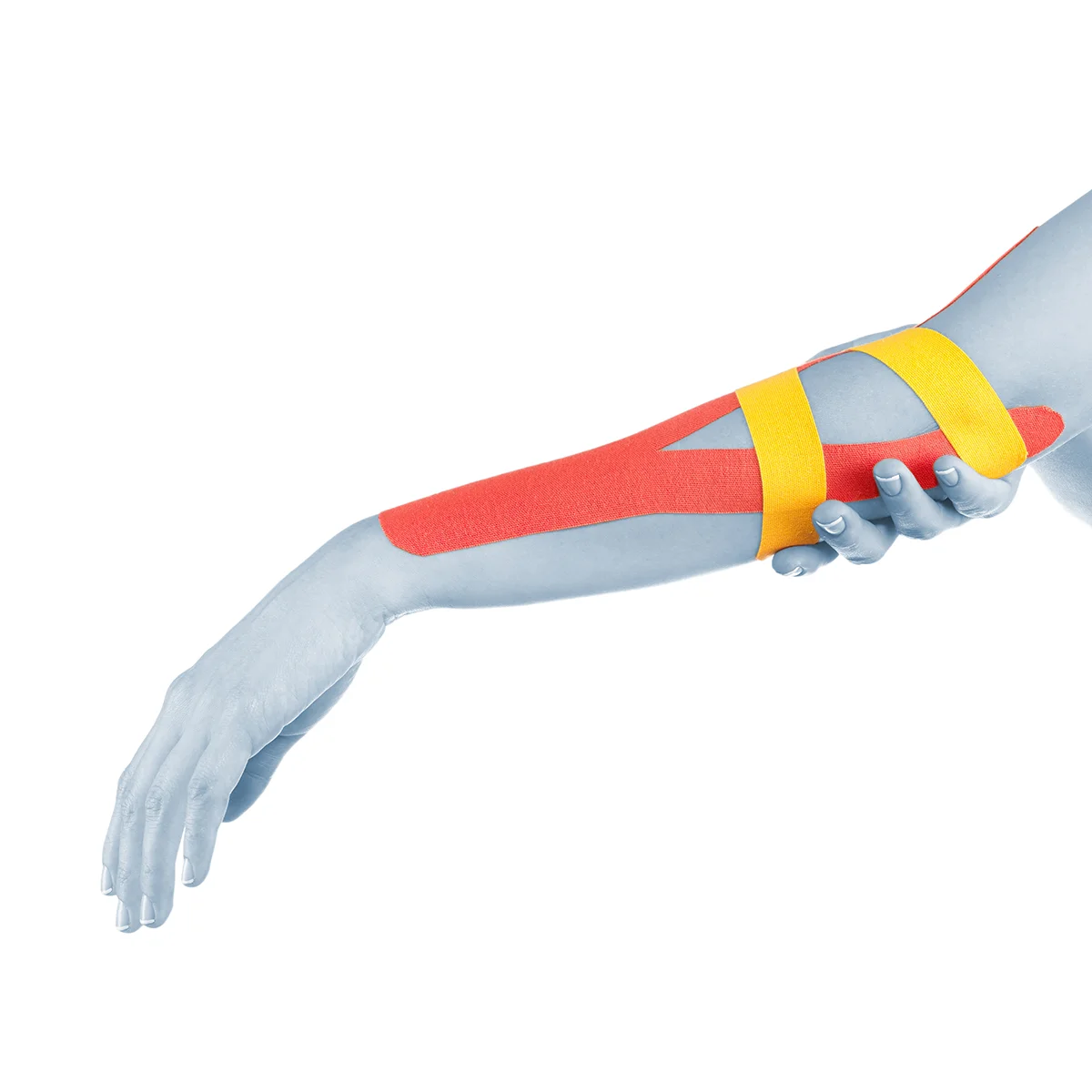
- Pain on the inside of your elbow that's worse with gripping, lifting, or twisting movements — shaking hands, carrying bags, opening jars, or turning a screwdriver
- Tenderness when you press the bony lump on the inside of your elbow (the medial epicondyle), sometimes radiating down the inside of your forearm
- Weakness in your grip — you might drop things or struggle with tasks that used to be easy
- Stiffness first thing in the morning or after periods of rest, easing slightly as you move but returning with activity
- Pins and needles or numbness in your ring and little finger — this affects 50% of people with golfer's elbow and indicates ulnar nerve involvement (Differential Diagnosis of Elbow Pain, PMC, 2025)
Why Is This Happening?
Golfer’s elbow develops when the tendons that attach to the inside of your elbow are repeatedly overloaded beyond their current capacity. Tendons need progressive load to stay strong — too much too soon overloads them; too little and they weaken.
This overload can happen acutely — a sudden increase in activity like a weekend of DIY after months of desk work — but usually it’s a gradual, cumulative process. Your tendons adapt to the loads you regularly place on them. When those loads increase faster than your tendons can adapt, or when repetitive movements don’t allow adequate recovery time, the tendon structure begins to change. Research published in the British Journal of Sports Medicine (Cook & Purdam, 2009) describes this as a continuum: the tendon becomes disorganised, develops areas of degeneration, and grows new blood vessels and nerve fibres that contribute to pain.
Common scenarios where we see this pattern:
- Manual workers — plasterers, carpenters, mechanics — whose jobs involve repetitive gripping, lifting, and twisting
- Climbers and boulderers — particularly those training hard on small holds or campus boards without adequate antagonist work
- Racquet sport players — the repetitive wrist flexion and pronation during serves and forehands
- Weightlifters — heavy pulling exercises or sudden increases in training volume
- Office workers — poor ergonomics, excessive keyboard and mouse use, or weekend DIY projects
Research published in StatPearls (Reece, Li & Susmarski, 2024) confirms that golfer’s elbow occurs in the dominant arm in 75% of cases. It affects about 1% of the general population but accounts for 3.8-8.2% of work-related complaints — highlighting its link to occupational demands (Terlezky et al., 2022, Harefuah).
Importantly, recurring or persistent cases often require looking beyond the elbow itself. If your shoulder isn’t moving well, or if your shoulder blade control is poor, your elbow tendons work harder to compensate. At Southampton Physio, we assess the full kinetic chain — shoulder, scapulothoracic junction, thoracic spine — to identify and address the upstream contributors that may be overloading your elbow.
How Southampton Physio Treats Golfer's Elbow
The Role of Exercise Therapy
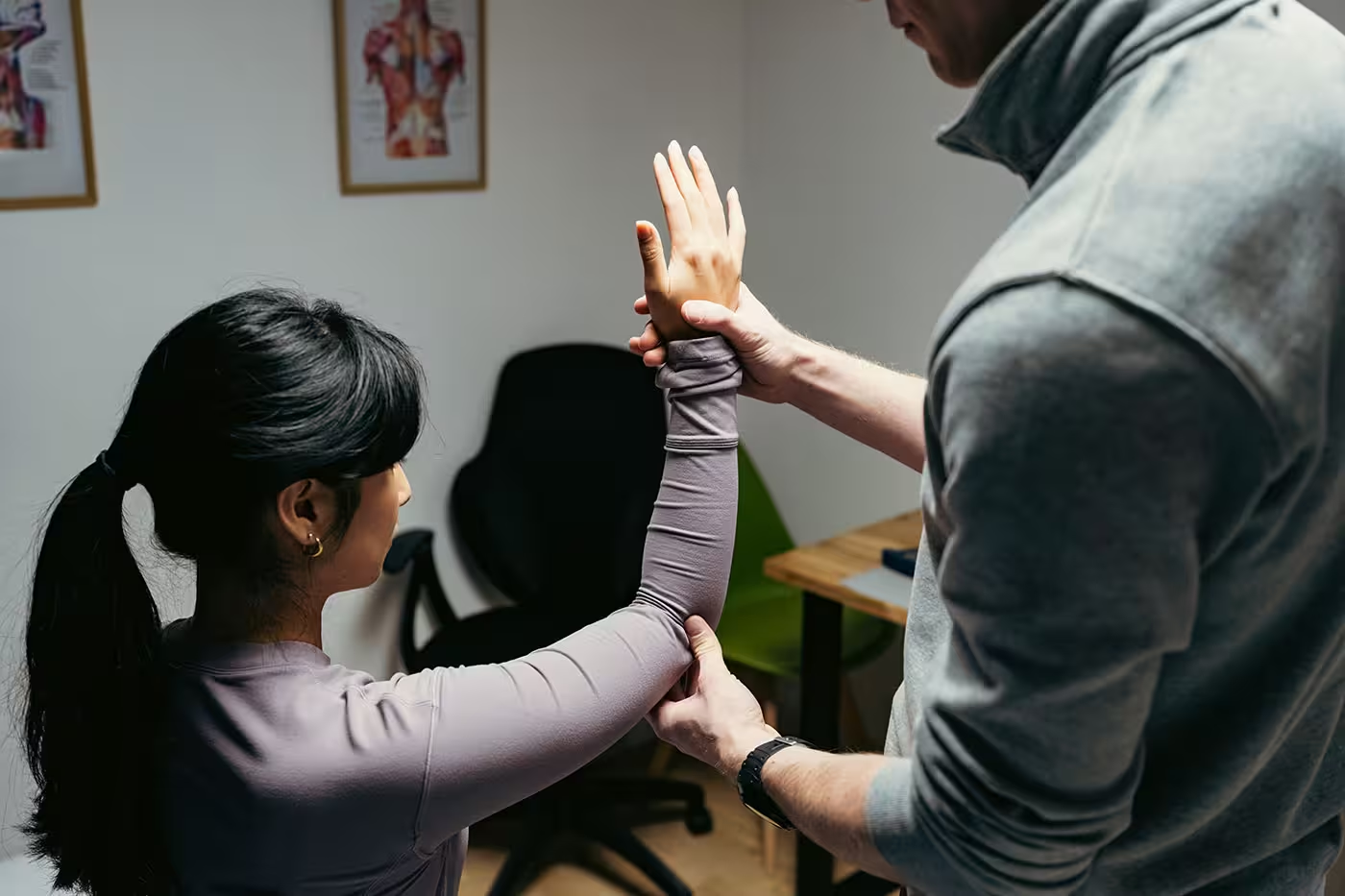
In your first session, we’ll take a detailed history of how your symptoms developed, what makes them better or worse, and what you need to get back to doing. We’ll assess your elbow, but also your shoulder, wrist, and neck to identify any contributing factors. Research published in PMC (2025) shows that in 50% of cases, symptoms of ulnar nerve involvement are present, so we’ll test for this too. We may refer you for ultrasound imaging where appropriate — research published in Healthcare (Czyrny et al., 2022) shows ultrasound has 95% sensitivity and 92% specificity for diagnosing medial epicondylalgia, making it a practical and accessible alternative to MRI.
You’ll leave your first session with a clear explanation of what’s happening, a realistic timeline for recovery, and a plan that fits your work and lifestyle. Most people achieve clinically meaningful improvement within 12 weeks with appropriate conservative management.
Hands-On Treatment — Reducing Pain and Preparing Tissues for Loading
Building Long-Term Strength — The Foundation of Recovery
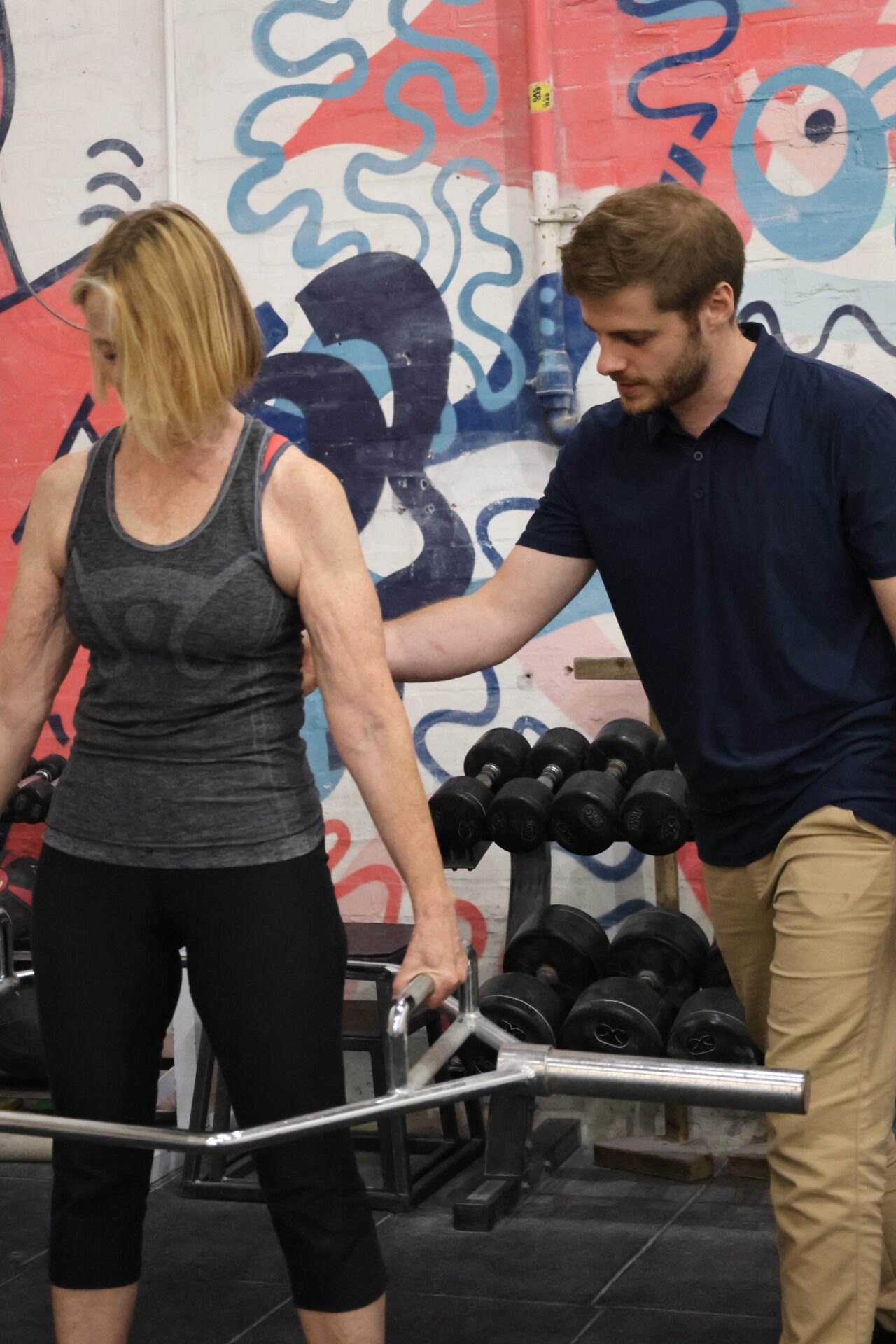
Exercise therapy is the most effective long-term intervention for golfer’s elbow. A systematic review and meta-analysis published in the British Journal of Sports Medicine (Coombes et al., 2015) found that eccentric strengthening produces significant pain reduction (VAS decrease 3.2-4.1 points) and functional improvement at 6-12 weeks, with sustained benefits at 12 months. This is endorsed as a first-line recommendation in general tendinopathy guidelines by the BJSM consensus statement and ICON tendinopathy recommendations.
We design a progressive loading programme tailored to your symptoms, your stage of recovery, and what you need to return to. Research published in the British Journal of Sports Medicine (Malliaras et al., 2013) confirms that 70-80% of patients achieve clinically meaningful improvement (>30% pain reduction) within 12 weeks with a structured progressive loading programme, with benefits sustained at 6 months follow-up.
What You Can Start Doing Today
- Modify your load, don't eliminate it. Identify the specific activities that provoke your symptoms — gripping tools, lifting shopping bags, certain gym exercises — and reduce the intensity, frequency, or duration. Complete rest is contraindicated in modern tendinopathy management. Research published in Sports Medicine (Khan & Cook, 2000) found that prolonged rest and immobilisation are associated with worse long-term outcomes and delayed recovery compared to early progressive loading.
- Apply ice for short-term pain relief. Apply ice to the inside of your elbow for 10-20 minutes, 2-3 times daily, particularly after aggravating activities. This won't heal the tendon, but it can help manage symptoms while you're building capacity through exercise.
- Start gentle isometric loading. Sit with your forearm rested on a table, palm up. Make a fist and gently press your wrist down into the table, holding for 30-45 seconds without moving. Repeat 3-4 times. This should produce mild discomfort (3-4 out of 10) but not sharp pain. Isometric loading can provide short-term pain relief and begin the process of tendon adaptation.
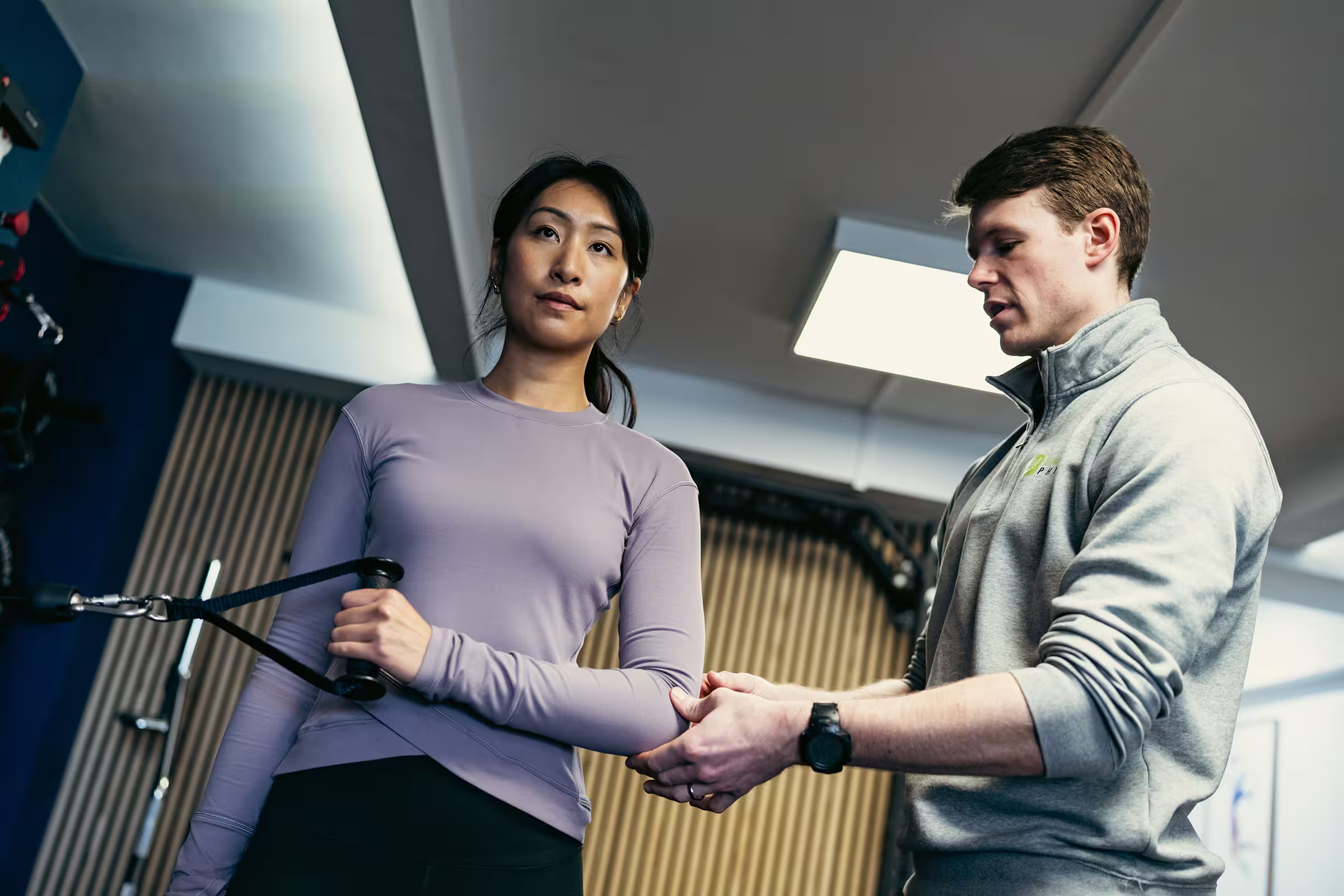
Why Choose Southampton Physio for Golfer's Elbow?
Our climbing injury clinic has particular expertise in medial elbow pain — climbers’ elbow is a common presentation, and we understand the specific demands of the sport. But our approach works equally well for plasterers, carpenters, racquet sport players, or office workers — anyone whose elbow tendons are overloaded by their work or lifestyle.
We don’t just treat your elbow. We assess your shoulder, your movement patterns, and the loads you’re placing on your body, so we can address the upstream contributors and reduce your risk of recurrence.
Frequently Asked Questions About Golfer's Elbow in Southampton
Does physiotherapy help golfer's elbow?
What is the fastest way to heal golfer's elbow?
How long does it take to rehab golfer's elbow?
What exercises should you not do with golfer's elbow?
Can golfer's elbow be fixed?
What triggers golfer's elbow?
How long should it take for golfer's elbow to heal?
Do I need a scan for golfer's elbow?
When should I see a specialist?
Is golfer's elbow the same as tennis elbow?
Ready to Get Moving Again?
If golfer’s elbow is limiting your work, your sport, or your daily activities, we can help. Most people see meaningful improvement within 12 weeks with the right approach — evidence-based manual therapy, progressive exercise, and a clear plan to address the root cause.
You don’t need to put up with persistent elbow pain that makes gripping, lifting, and carrying difficult. Book your golfer’s elbow assessment today and let’s get you back to what you need to do.