
Osteoporosis Treatment in Southampton
That conversation with your doctor: “You have osteoporosis.” The DEXA scan results showing low bone density. The immediate worry about what you can and can’t do anymore.
Osteoporosis is a progressive skeletal condition characterised by reduced bone mass, compromised bone strength, and deterioration of bone tissue structure, resulting in increased bone fragility and heightened fracture risk. In the UK, 21.9% of women and 6.7% of men aged 50 years or more have osteoporosis, and the number of new fragility fractures in 2019 totalled 20.5 fractures per 1,000 individuals (International Osteoporosis Foundation, SCOPE 2021). At Southampton Physio, we work with people living with osteoporosis to build strength safely, reduce falls risk, and maintain independence through evidence-based exercise and specialist guidance tailored to your bone health needs.
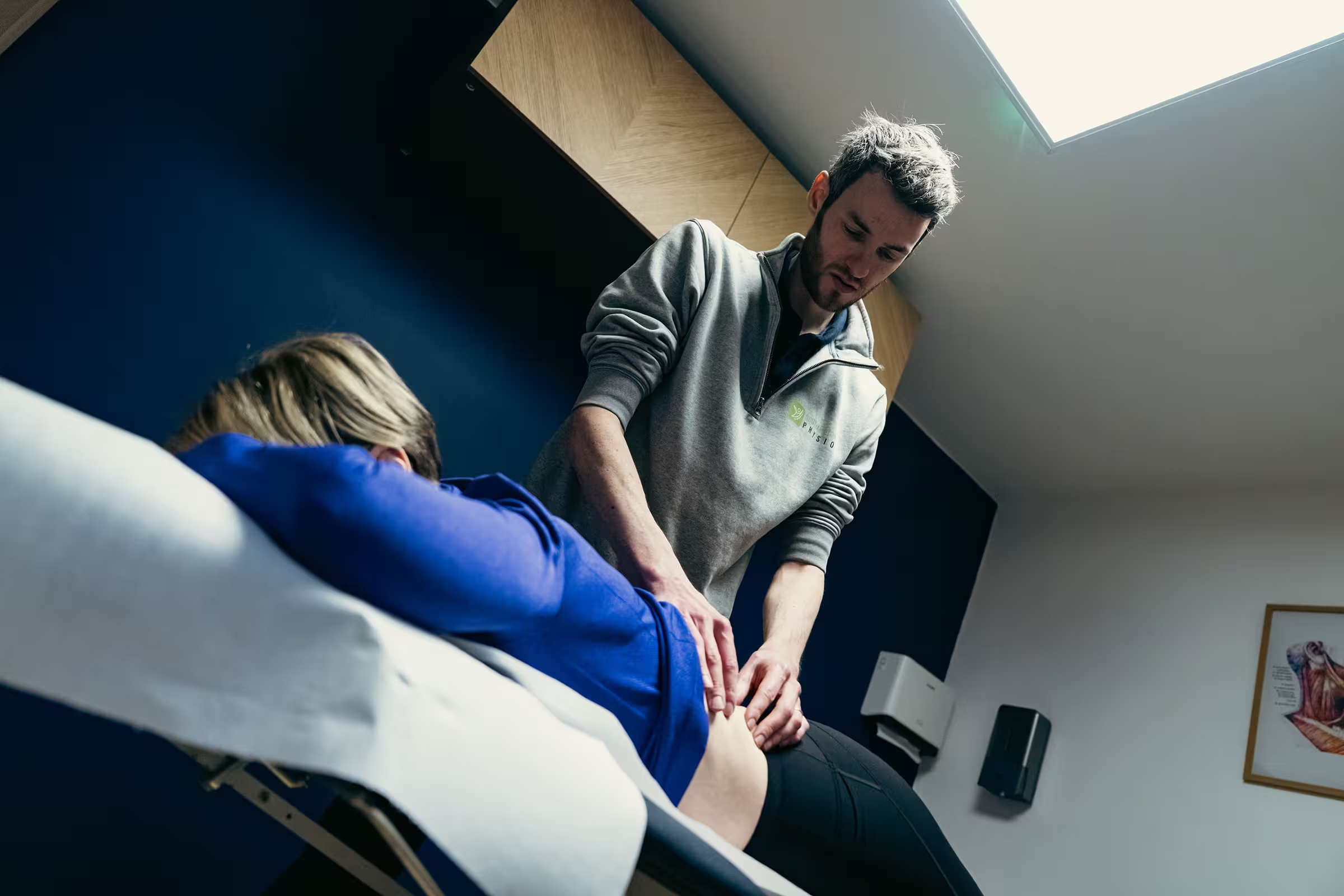
What Are You Most Worried About With Your Osteoporosis?
Will I break a bone doing everyday things?
What exercise is safe?
How do I stop it getting worse?
Should I avoid activities I enjoy?
What if I fall?
How Can You Strengthen Bones and Reduce Fracture Risk?
The answer is structured, progressive exercise – but it needs to be the right type, done safely, with proper guidance.
Bone responds to loading by becoming stronger. This process is called Wolff’s Law – bones adapt to the forces placed upon them. When you load bones through resistance training and weight-bearing exercise, you stimulate bone-building cells (osteoblasts) to work harder than bone-resorbing cells (osteoclasts). This tips the balance toward bone formation rather than bone loss.
What builds bone density:
Progressive resistance training – Using weights, bands, or bodyweight exercises that gradually increase in difficulty. Research published in Osteoporosis International (Zhao et al., 2015) found that progressive resistance training increases bone mineral density by 1–3% at the lumbar spine and femoral neck over 12–24 months.
Weight-bearing impact exercise – Activities like brisk walking, stair climbing, or dancing (if safe for your fracture history). This stimulates bone formation at loaded sites.
Balance and strength training – Reduces falls risk, an essential part of fracture prevention. A Cochrane systematic review (Sherrington et al., 2019) found that exercise reduces the rate of falls in community-dwelling older adults by around 23%, with balance and multi-component programmes among the most effective.
Why this approach works:
Think of bone as living tissue that constantly remodels. It’s like a building site where demolition (resorption) and construction (formation) happen simultaneously. In osteoporosis, the demolition crew works faster than the builders, and the structure weakens. Exercise and load stimulate the builders to work harder – that’s why progressive resistance training is the foundation of physiotherapy for osteoporosis.
The UK population aged 50 years or more is projected to increase by 13.2% between 2019 and 2034 (International Osteoporosis Foundation, SCOPE 2021), making osteoporosis management increasingly important. But the evidence is clear: exercise works, it’s safe when properly prescribed, and it’s never too late to start.
How Southampton Physio Treats Osteoporosis
Your First Assessment
Outcome: We identify your fracture risk, movement patterns, and build a safe baseline for exercise progression.
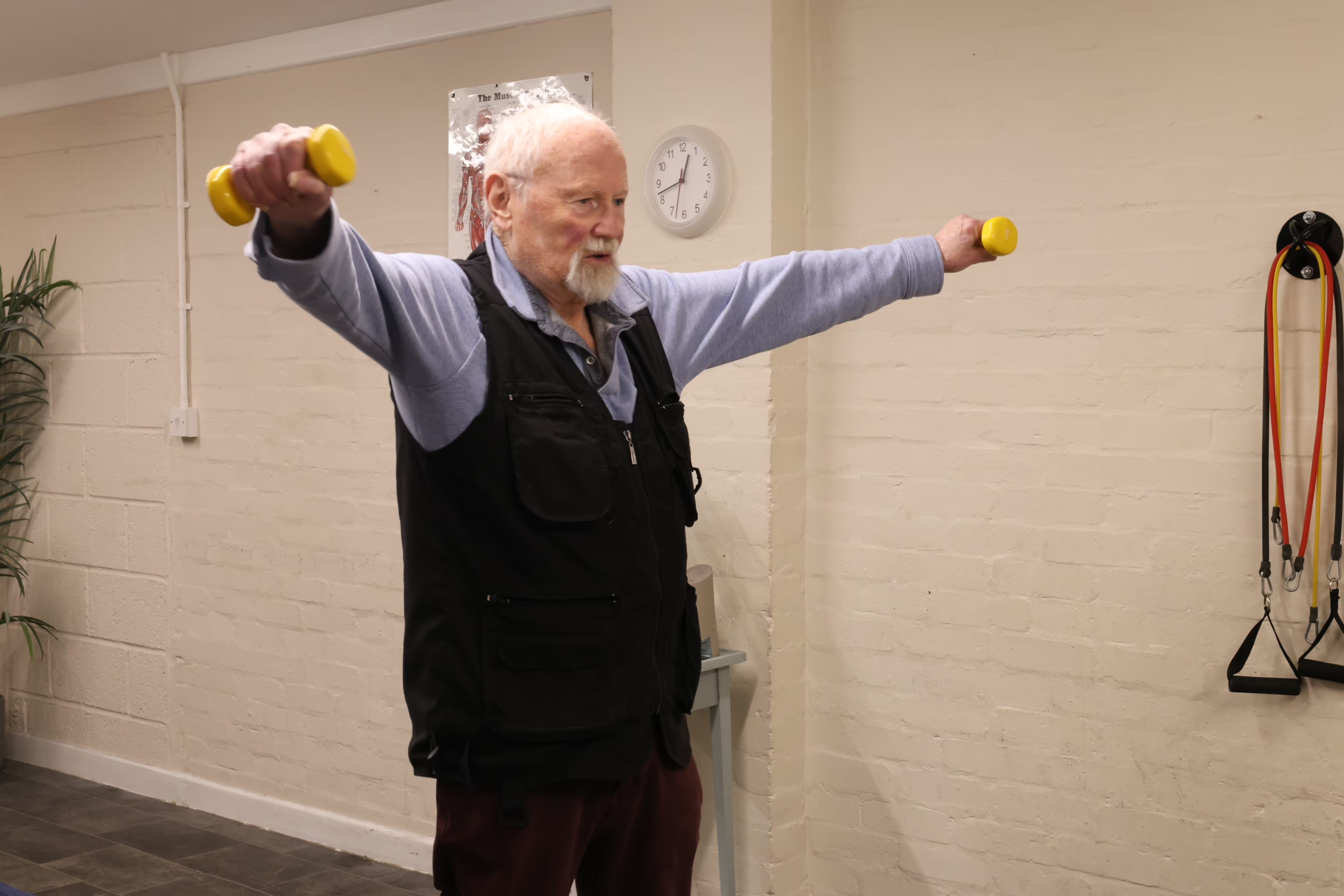
Your initial session takes 45 minutes. We start by understanding your diagnosis (DEXA scan results, T-score, previous fractures), medical history, medications, and current activity levels. We assess your posture, balance, strength, and movement quality to identify areas of heightened fracture risk and functional limitation.
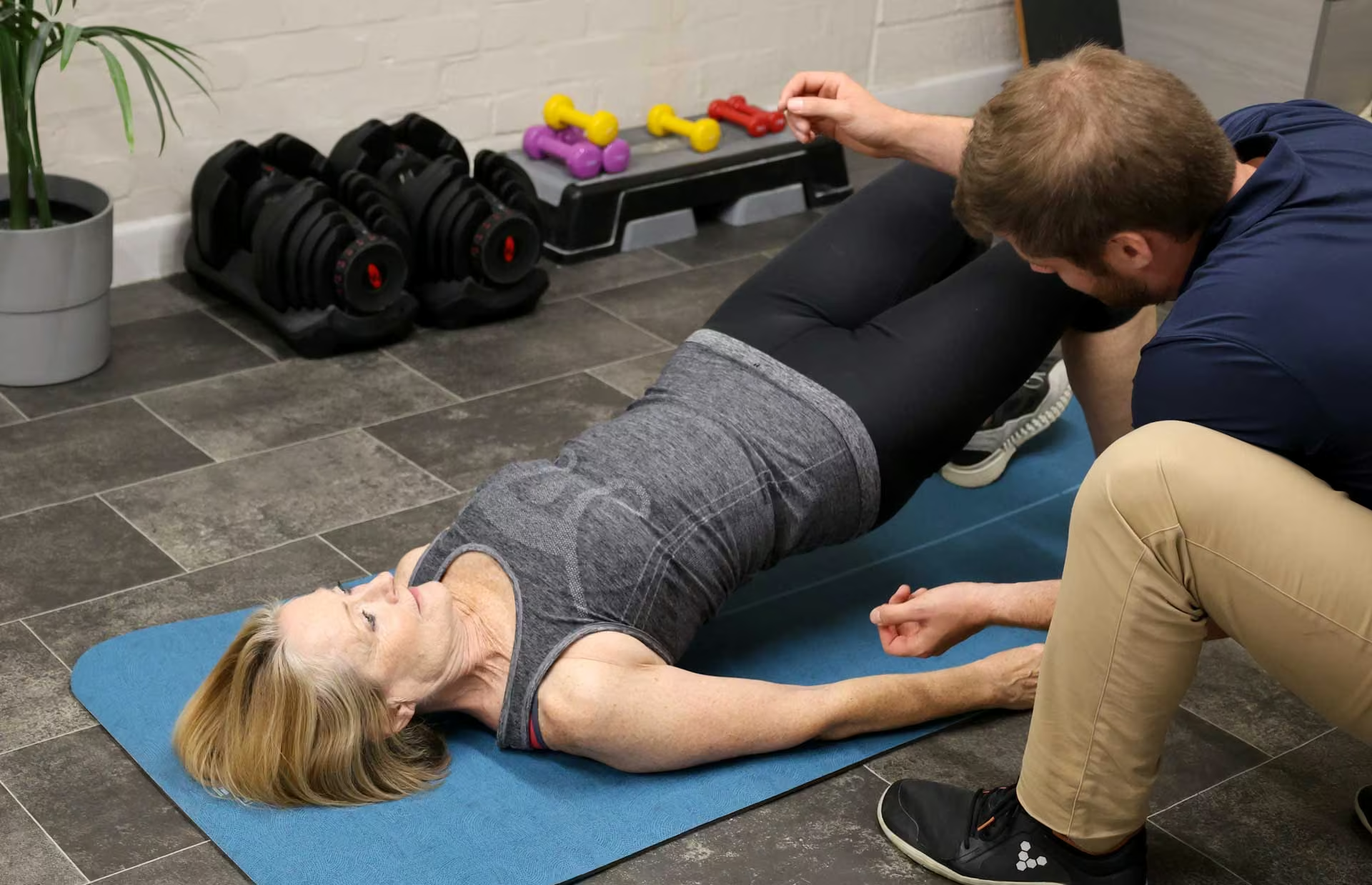
We use standardised tests – Timed Up and Go, Five Times Sit to Stand, balance assessments – to establish your falls risk and functional capacity. This tells us where to start and how quickly we can progress. If you’ve had vertebral fractures, we assess spinal mobility and teach you spine-sparing movement strategies to reduce further fracture risk.
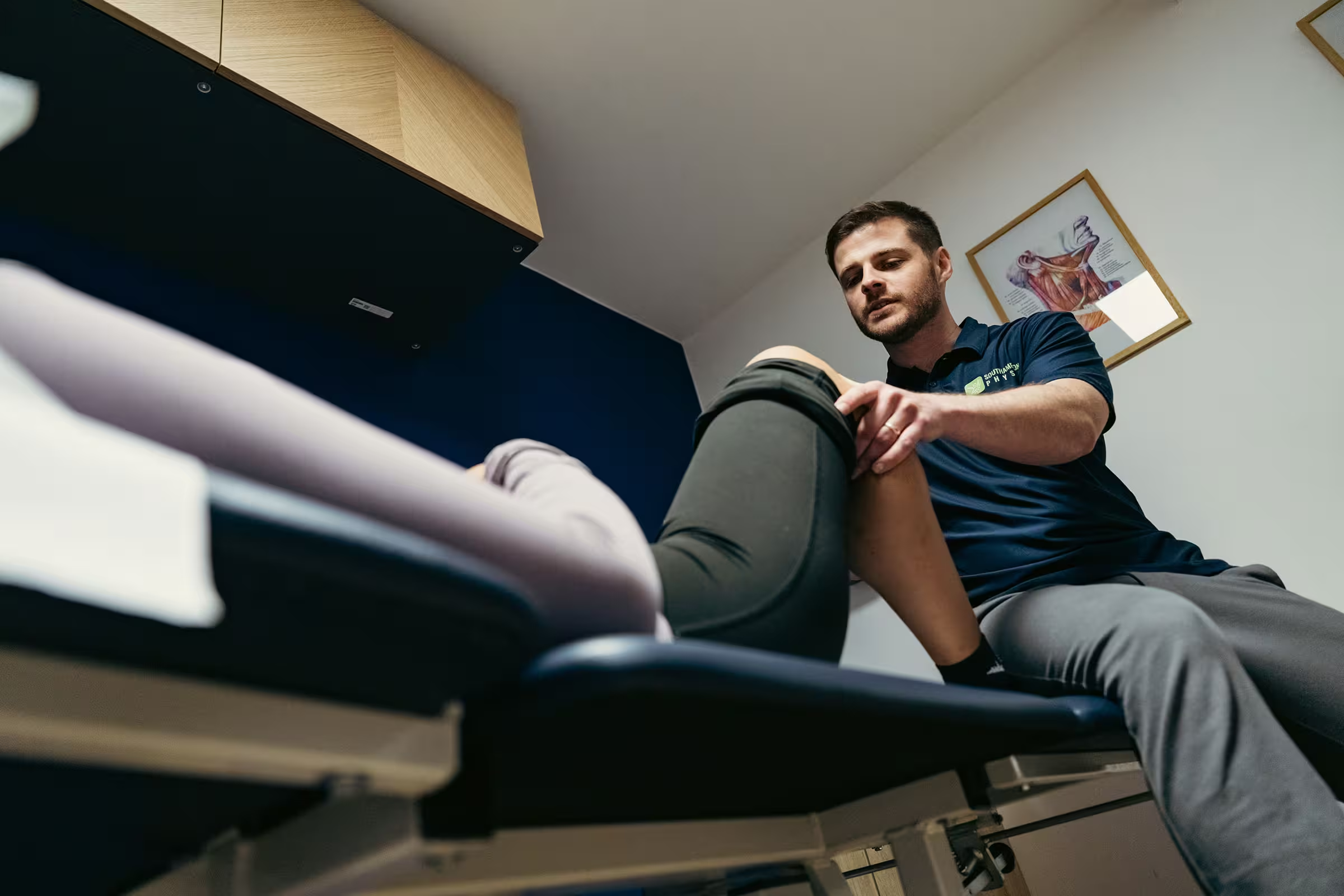
The assessment guides the exercise prescription, which is the foundation of your treatment. We don’t treat osteoporosis with hands-on techniques alone – bone density doesn’t improve from manual therapy. The real work is structured, progressive exercise.
Building Long-Term Strength
Outcome: You build bone density, reduce falls risk, and maintain independence through progressive, individualised exercise.
Exercise is the foundation. The 2024 UK clinical guideline for the prevention and treatment of osteoporosis (Gregson et al., 2024) states that exercise prescription should be individualised based on fracture risk and functional capacity, and that resistance training with progressive overload is safe and effective for most osteoporosis patients.
We design programmes that combine:
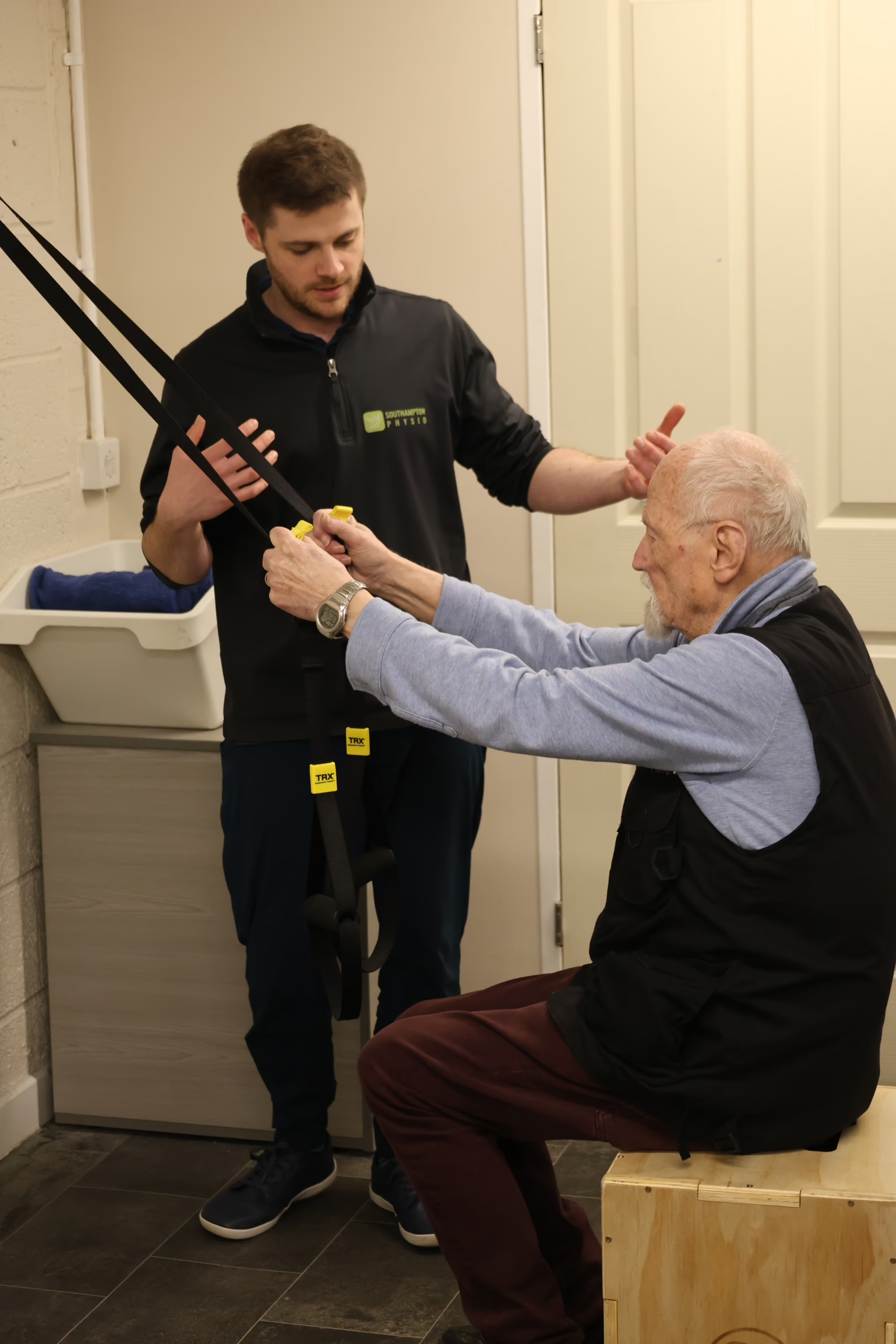
Progressive resistance training – using weights, resistance bands, or body weight to load bones and muscles. This stimulates bone formation and improves strength. A 2025 network meta-analysis of 55 randomised controlled trials found that multimodal exercise programmes reduce fracture incidence by around 27% and improve quality-of-life scores.
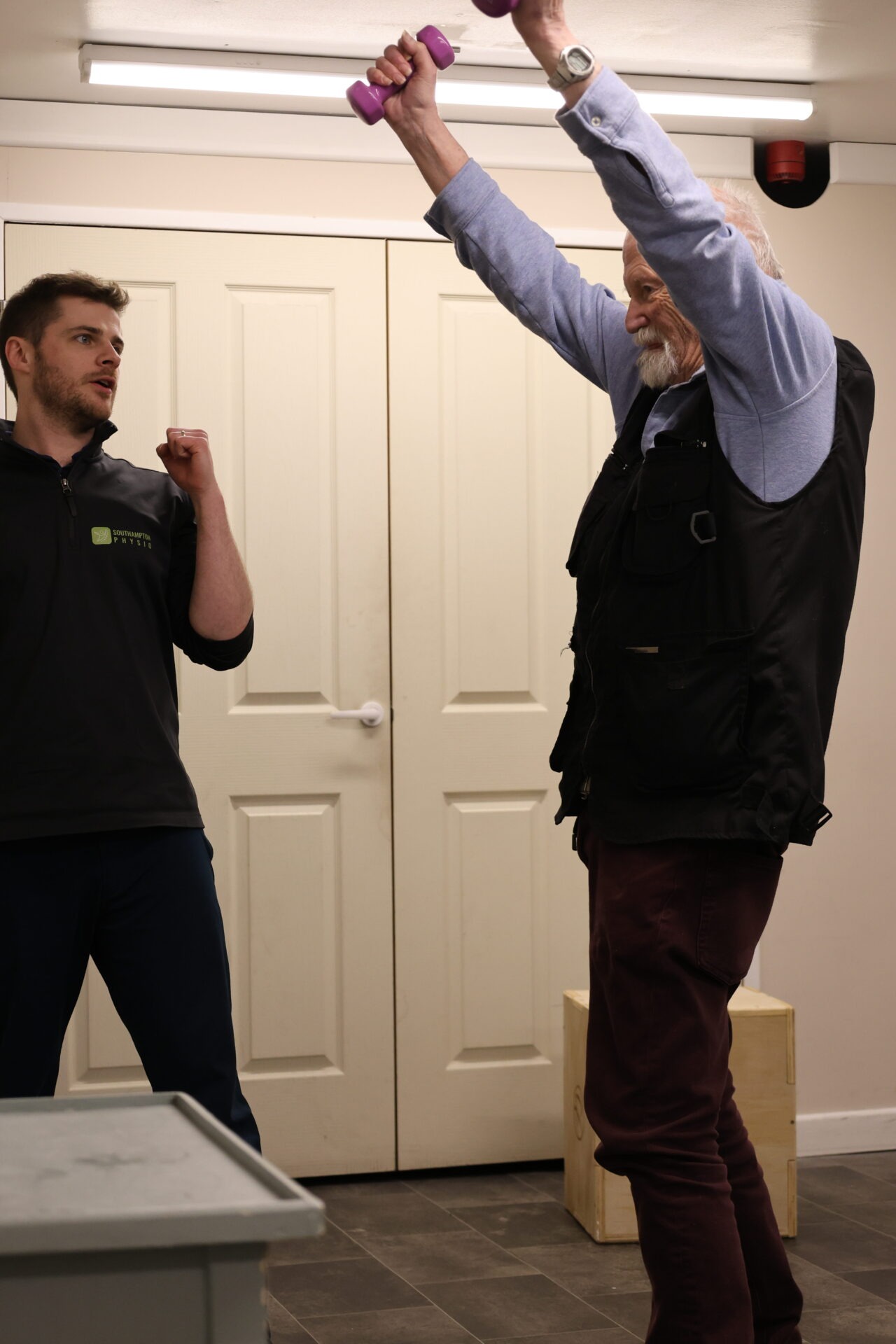
Balance and falls prevention training – reduces falls risk and is an essential component of fracture prevention. We use specific balance exercises, dual-task training, and functional movement drills.
Posture and spinal extension work – strengthening the muscles that support your spine and counteract forward stoop. The UK consensus statement on physical activity and exercise for osteoporosis (Brooke-Wavell et al., 2022, British Journal of Sports Medicine) recommends spinal extension exercise to improve posture and potentially reduce the risk of falls and vertebral fractures.
We progress load gradually. Bones adapt slowly – improvements in bone mineral density take 12–24 months of consistent training. But strength, balance, and confidence improve much sooner, typically within 3–6 months.
For some people, especially those who’ve tried standard physiotherapy without lasting results or who have complex health conditions alongside osteoporosis, we offer a more comprehensive pathway that integrates our full team over 12–16 weeks. This involves physiotherapy, osteopathy, and Clinical Personal Training to address root causes and build long-term capacity. This is designed for persistent or complex issues that need a deeper, more sustained approach.
What Exercises Are Safe for People With Osteoporosis?
Safe and effective exercises include:
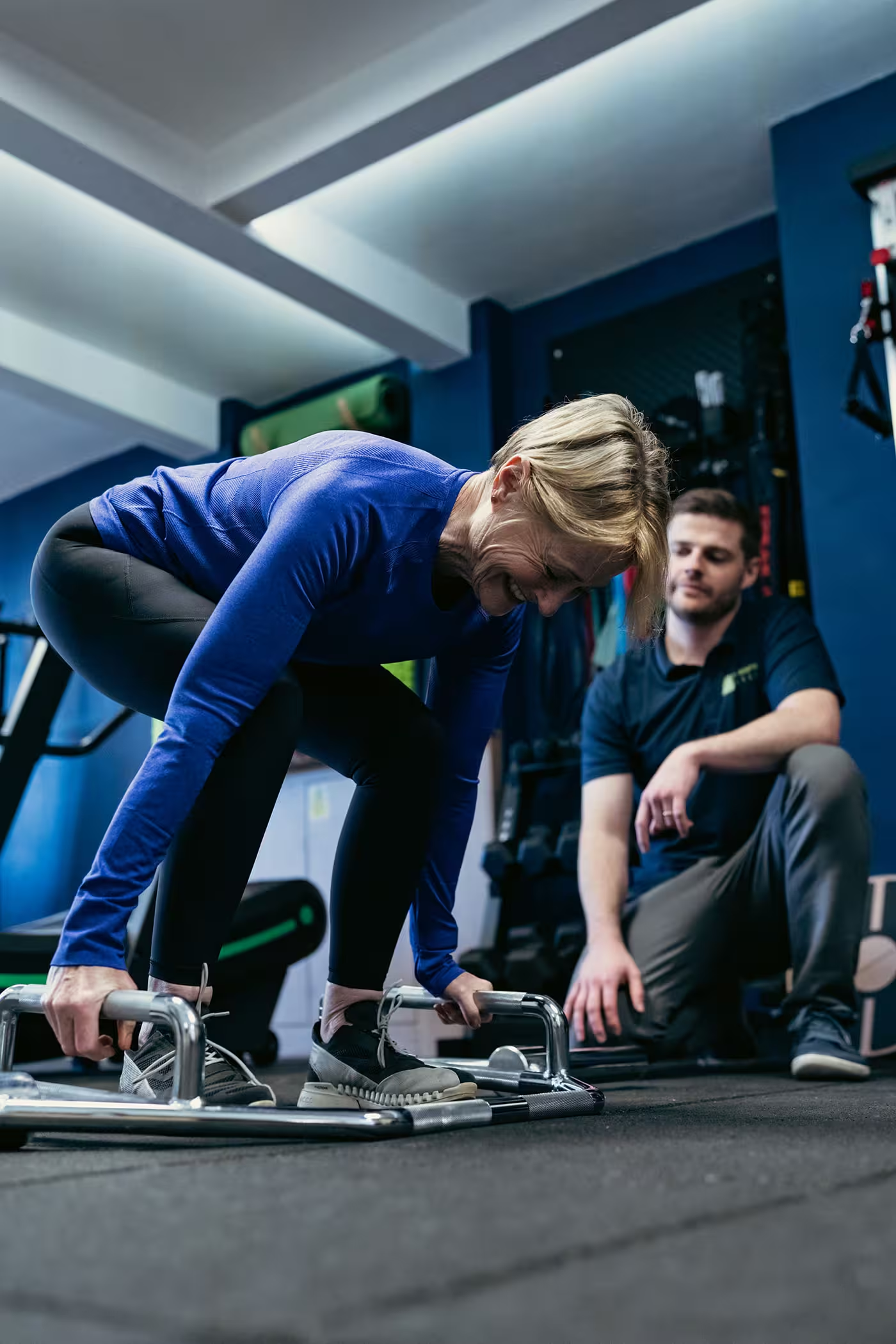
Resistance training with weights or bands – squats, lunges, step-ups, chest press, rows, overhead press. Start with light loads and progress gradually. This is first-line intervention, endorsed by EULAR (2019), NICE (2017), and the 2024 UK guidelines.
Weight-bearing impact exercise (if you have no vertebral fractures) – brisk walking, jogging, dancing, stair climbing. Research published in the Journal of Geriatric Physical Therapy (Hartley et al., 2022) found that impact exercise increases bone mineral density by 1–2% at loaded sites and reduces fracture risk by 15–20%.
Balance training – single-leg stands, tandem walking, heel-to-toe walking, Tai Chi. Essential for falls prevention.
Spinal extension exercises – prone back extensions, bird-dog, wall angels. These strengthen the muscles that counteract kyphosis and protect the spine.
Exercises to avoid or modify:
High-impact exercise if you have vertebral fractures – jumping, running, high-impact aerobics. The 2024 UK guidelines explicitly contraindicate high-impact exercise in patients with vertebral fractures due to increased risk of further compression fractures.
Deep or loaded spinal flexion – sit-ups, toe touches, forward bending under load, rowing machines with full flexion. Research published in Archives of Physical Medicine and Rehabilitation (Sinaki & Mikkelsen, 1984) found that forward flexion exercises increase anterior vertebral loading and fracture risk. More recent guidance is more nuanced: the UK consensus statement (Brooke-Wavell et al., 2022, British Journal of Sports Medicine) recommends avoiding postures involving a high degree of spinal flexion, while clarifying that not all bending or twisting is harmful – the concern is mainly with rapid, repetitive, sustained, weighted, or end-range movements, especially in those with vertebral fractures.
Exercises that increase falls risk – unstable surfaces without supervision, fast twisting movements, exercises that compromise balance.
What to Expect From Osteoporosis Physiotherapy Treatment
Timeframes and outcomes:
Initial assessment and education – 1 session. You leave with a clear understanding of your fracture risk, safe movement strategies, and an exercise programme to start immediately.
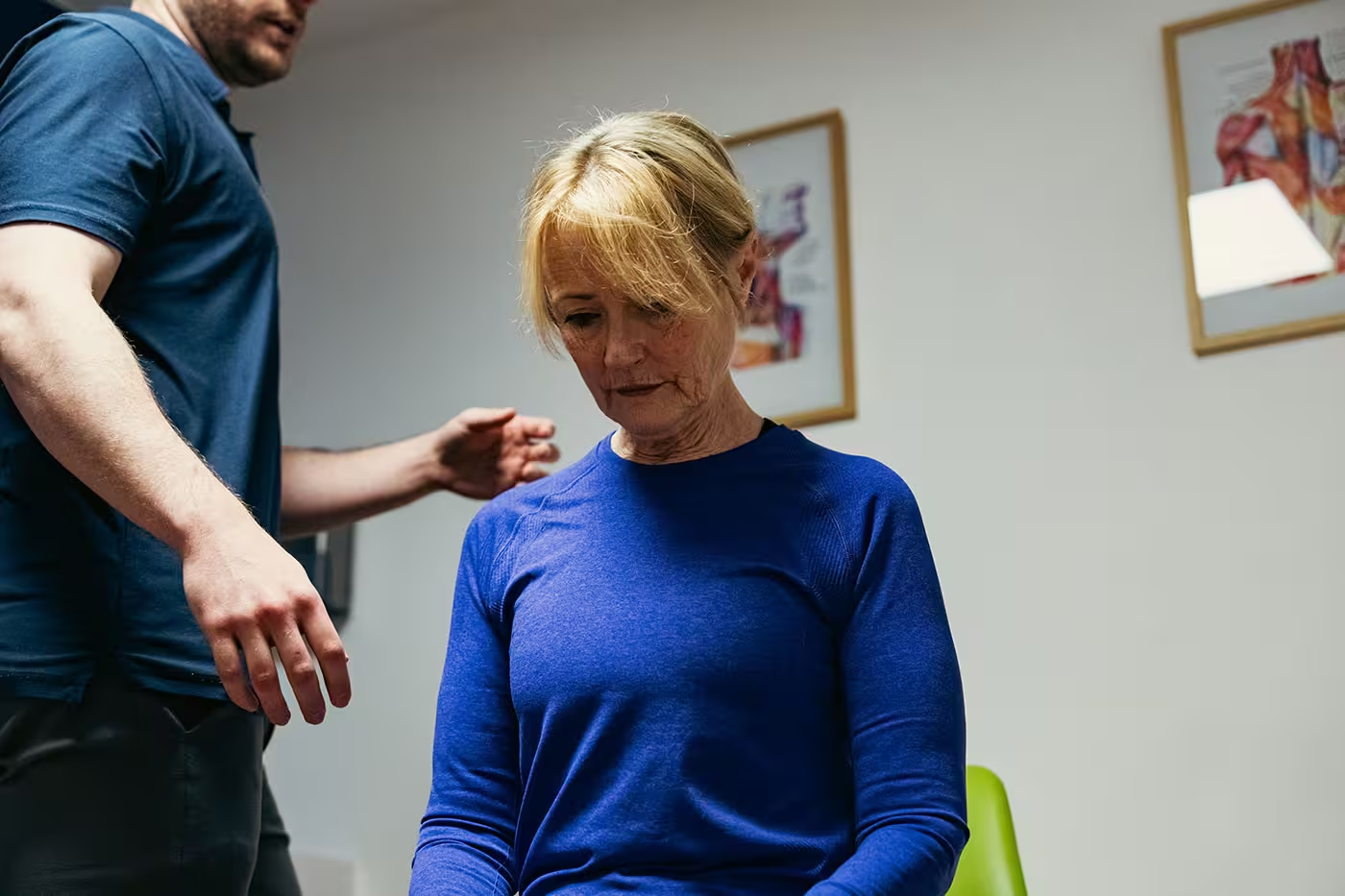
Supervised exercise progression – 6–12 sessions over 3–6 months. We progress load, complexity, and independence as your strength and confidence improve.
Functional improvement – strength, balance, and confidence typically improve within 3–6 months of structured training.
Bone mineral density changes – modest but clinically meaningful improvements (1–3% at loaded sites) occur over 12–24 months with consistent training (Zhao et al., 2015, Osteoporosis International). These are measurable on DEXA scans.
Falls risk reduction – achievable within 3–6 months of balance and strength training.
Long-term maintenance – osteoporosis is a chronic condition. Exercise needs to continue indefinitely to maintain bone density and reduce fracture risk. Many people transition to group physiotherapy and strength training or independent gym-based training once they’ve built confidence and technique.
Response to pharmacological treatment:
Prognostic factors:
Worse prognosis – prior fragility fracture (especially vertebral or hip), very low T-score (≤ −3.0), advanced age, falls history, glucocorticoid use, multiple comorbidities, social deprivation.
Better prognosis – early identification and treatment initiation, adherence to pharmacological therapy, engagement with exercise and falls prevention, Fracture Liaison Service involvement.
When Should You Seek Urgent Help for Osteoporosis Symptoms?
Osteoporosis itself is not an emergency, but certain symptoms suggest acute fracture or serious complications and require urgent assessment.
Seek immediate medical attention if you experience:- Acute back pain in a person aged over 50 with known or suspected osteoporosis - suspect vertebral compression fracture. Do not commence exercise until imaging confirms no acute fracture.
- Sudden height loss (more than 4cm) - indicates vertebral fracture; refer for vertebral fracture assessment (VFA) or imaging.
- Increasing kyphosis with acute pain - vertebral fracture until proven otherwise.
- Back pain following minimal or no trauma - osteoporotic vertebral compression fractures can occur from minor trauma (e.g. fall from a standing height or less) or without any definitive trauma in older people with osteoporosis (Cochrane review, 2023).
- Unexplained weight loss, night sweats, fever with bone pain - possible malignancy or metastatic disease; urgent GP or oncology referral.
- Neurological symptoms - limb weakness, bladder or bowel dysfunction, bilateral leg weakness, or saddle anaesthesia - possible spinal cord compromise or cauda equina syndrome; emergency referral.
- Important caveat: A Cochrane review (2023) found that the available evidence does not support using many red flags to specifically screen for vertebral fracture in people presenting with low back pain, as most individual red flags have poor diagnostic accuracy. This means red flags are not definitive - clinical judgement and imaging are often needed.
Why Choose Southampton Physio for Osteoporosis?
Osteoporosis management requires specialist knowledge, individualised exercise prescription, and long-term support. At Southampton Physio, we integrate the latest evidence-based guidelines – including the 2024 UK clinical guideline for osteoporosis – with practical, patient-centred care.
Our team includes physiotherapists, osteopaths, and Clinical Personal Trainers who understand bone health, fracture risk, and safe exercise progression. We can work closely with your GP, rheumatologist, or endocrinologist to ensure your physiotherapy complements your medical treatment.
We’re based at 35 Bedford Place in central Southampton, easily accessible from Shirley, Portswood, Ocean Village, and Woolston.
What You Can Start Doing Today
- Start weight-bearing activity - walk briskly for 20–30 minutes daily. Weight-bearing exercise stimulates bone formation and improves balance. If you already walk regularly, add inclines or stairs to increase load.
- Practise balance exercises - stand on one leg for 30 seconds (hold onto a surface if needed), progress to tandem standing (heel-to-toe), then eyes closed. Do this daily. Falls prevention is as important as bone density for reducing fracture risk.
- Learn spine-sparing movement - practise bending at the hips (hip hinge) rather than rounding your spine. When lifting, squat down and keep your back straight. Avoid forward-bending exercises like toe touches or sit-ups. These simple changes reduce anterior vertebral loading and fracture risk.
Frequently Asked Questions About Osteoporosis in Southampton
What can a physiotherapist do for osteoporosis?
What is the best physical therapy for osteoporosis?
What are five exercises that increase bone density?
What happens if osteoporosis is left untreated?
What is the best treatment for osteoporosis?
What happens when osteoporosis gets worse?
Do I need a scan before starting physiotherapy for osteoporosis?
How many sessions will I need?
Can I exercise if I've had a vertebral fracture?
Is osteoporosis reversible?
Booking
Ready to Build Strength and Confidence Again?
Osteoporosis is manageable. Exercise works. The evidence is clear, and the approach is straightforward – progressive resistance training, balance work, and spine-sparing movement strategies reduce fracture risk and improve quality of life.
You don’t need to live in fear of fracture. You don’t need to avoid activity. You need individualised guidance, safe progression, and consistent training. That’s what we provide at Southampton Physio.
Book your osteoporosis assessment today. Call 023 8110 2077 or book online.
Our clinic is at 35 Bedford Place, Southampton, SO15 2DG. We’re here Monday to Friday, with some Saturday appointments available. Most people are seen within one week of booking.