
Shoulder, Elbow & Wrist Pain Physio in Southampton

Shoulder, Elbow and Wrist Pain Physio in Southampton
From lifting overhead to opening a jar, your upper limb plays a huge role in daily life – and when pain strikes, everything feels harder.
Maybe you’ve got shoulder pain that flares up at night. Maybe your elbow burns after working on your laptop. Maybe your wrist aches when typing or holding a cup.
If you’re dealing with shoulder, elbow or wrist pain, you don’t have to just rest and hope it settles.
We help people move better, feel stronger and get back to what they love – whether that’s work, the gym or simply lifting their kids without worry.
Conditions We Treat
Shoulder, elbow and wrist pain can come from a variety of issues, including tendons, nerves, joints or even postural load. We treat all of the following:
Shoulder Conditions
Elbow Conditions
- Tennis Elbow (Lateral Epicondylitis)
- Golfer’s Elbow (Medial Epicondylitis)
- Ulnar nerve irritation (cubital tunnel)
- Biceps or triceps tendon overload
Wrist and Hand Conditions
- Carpal Tunnel Syndrome
- TFCC Injury
- Wrist Sprain and Instability
- De Quervain’s Tenosynovitis
If you don’t see your exact issue listed, don’t worry – most people come to us unsure of the cause. We’ll guide you from your first appointment.
Does This Sound Familiar?
We treat people every week with:
- Shoulder pain when lifting, reaching or sleeping on one side
- Elbow discomfort when gripping, pulling or using tools
- Wrist pain or forearm tension from long hours on a keyboard
- Numbness or tingling into the hand or forearm
- Clicking, catching or stiffness in the shoulder or wrist
- Night pain, disturbed sleep or stiffness that builds during the day
- A “bad shoulder” or “dodgy elbow” that’s never been fully resolved
You might not know what’s causing it – and that’s okay. You don’t need a label to get started. We’ll assess the problem, explain what’s going on and give you clear steps forward.
Why Am I in Pain?
It’s not always a tear. And it’s rarely permanent.
Pain in the upper limb is often the result of overload, not damage – especially in the tendons and surrounding tissues.
Here are some common contributors:
- Rotator cuff overload - pain with overhead movements, weakness, loss of control
- Tendon irritation - e.g. tennis elbow or De Quervain’s, from repetitive loading
- Joint stiffness - frozen shoulder or postural holding patterns
- Nerve tension - carpal tunnel or referred pain from the neck
- Ergonomic strain - from poor setup, phone scrolling or mouse use
- Lack of variety - repetitive movement in sport, work or daily tasks
Pain can also persist because of fear, guarding or deconditioning – not just because of what’s happening in your tissues.
We treat the whole picture – not just the sore spot.
How Physiotherapy Helps
At Southampton Physio, we take a holistic, evidence-based approach that adapts as you progress.
You don’t need a scan or a specialist label to start. Here’s what the process looks like:
1. Reset the irritation
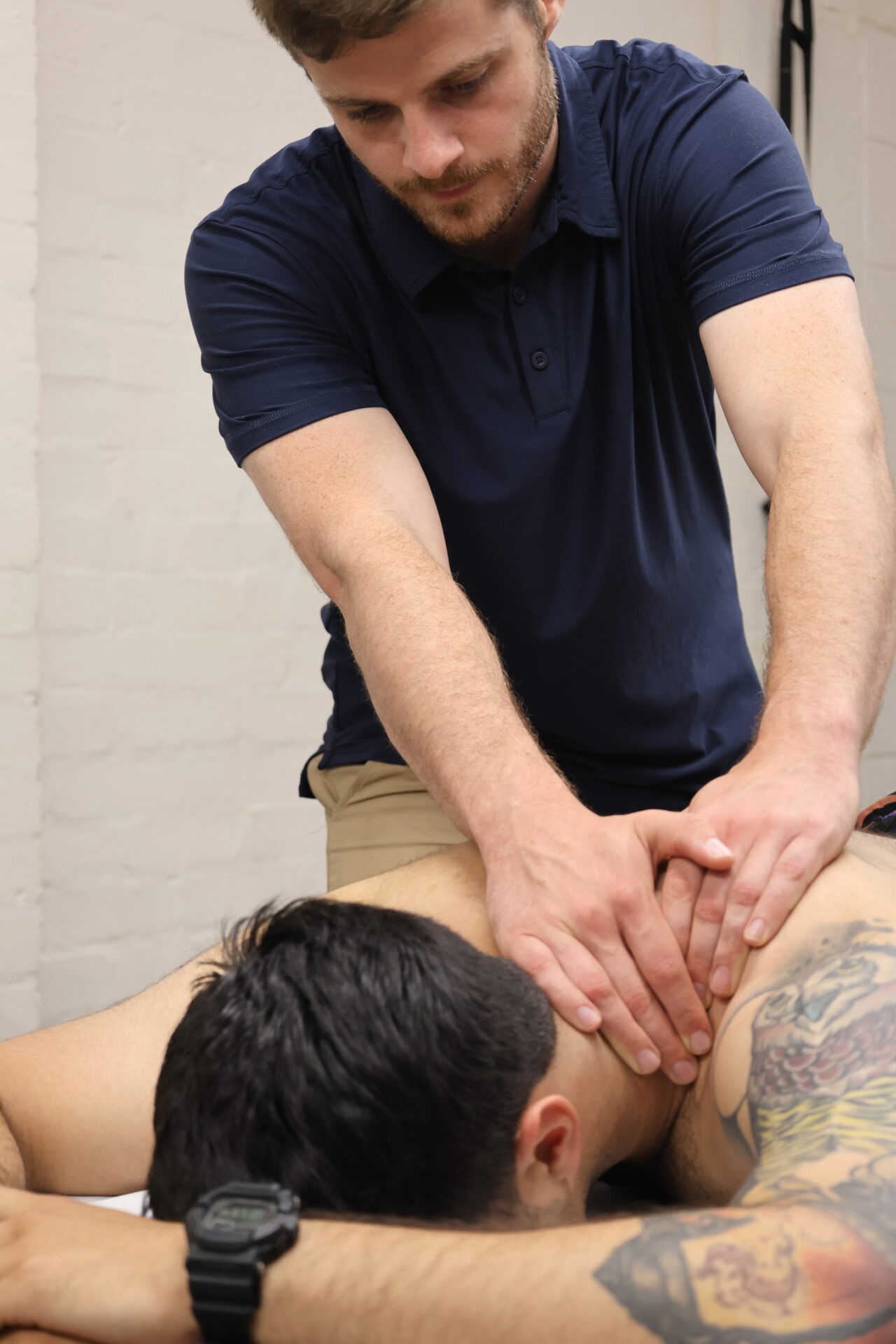
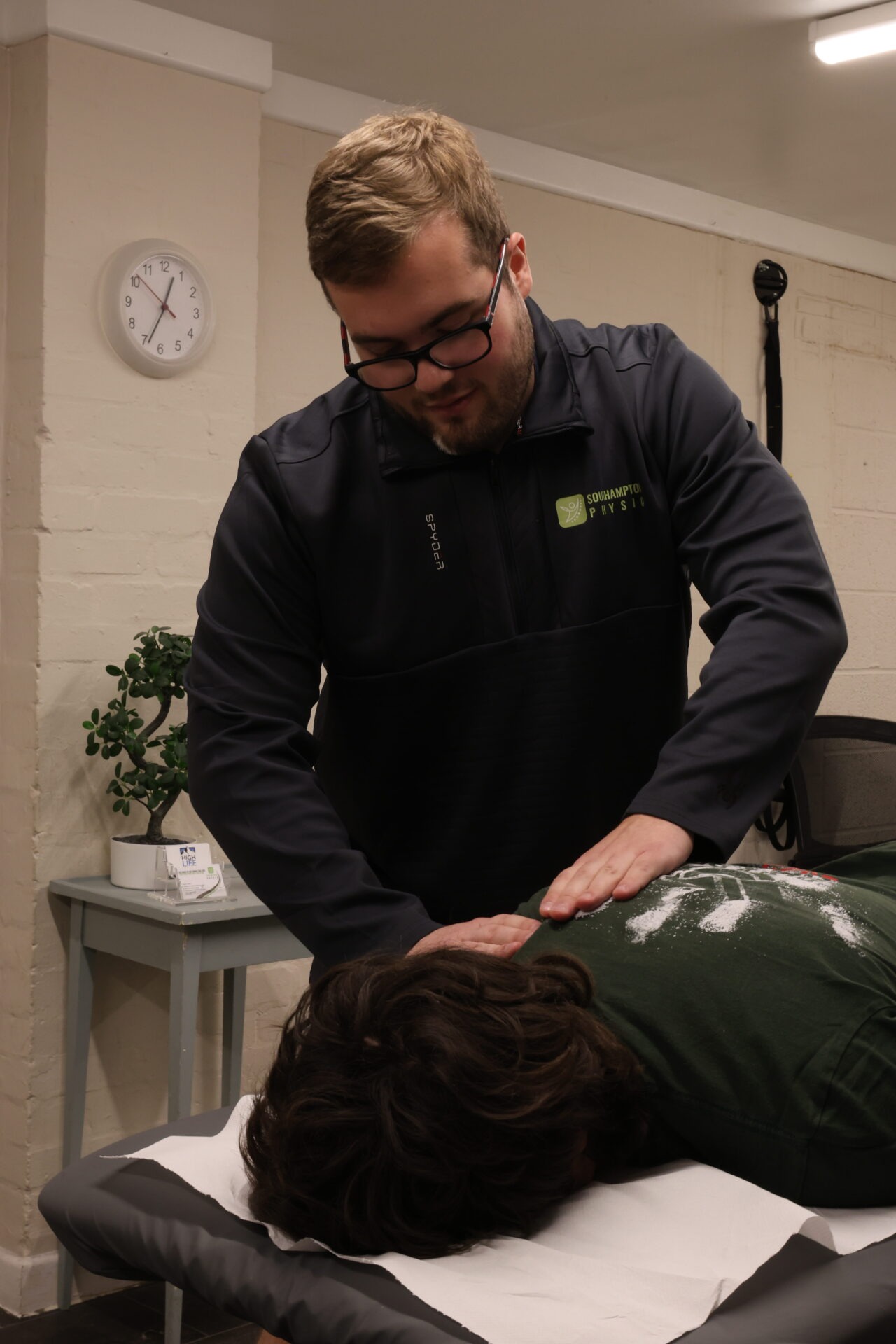
- Hands-on treatment to ease muscle tension, joint restriction or nerve symptoms
- Specific advice around pacing, posture or loading
- Strategies to improve sleep or calm the nervous system
- Early-stage mobility, grip or positioning drills
2. Rebuild strength and confidence
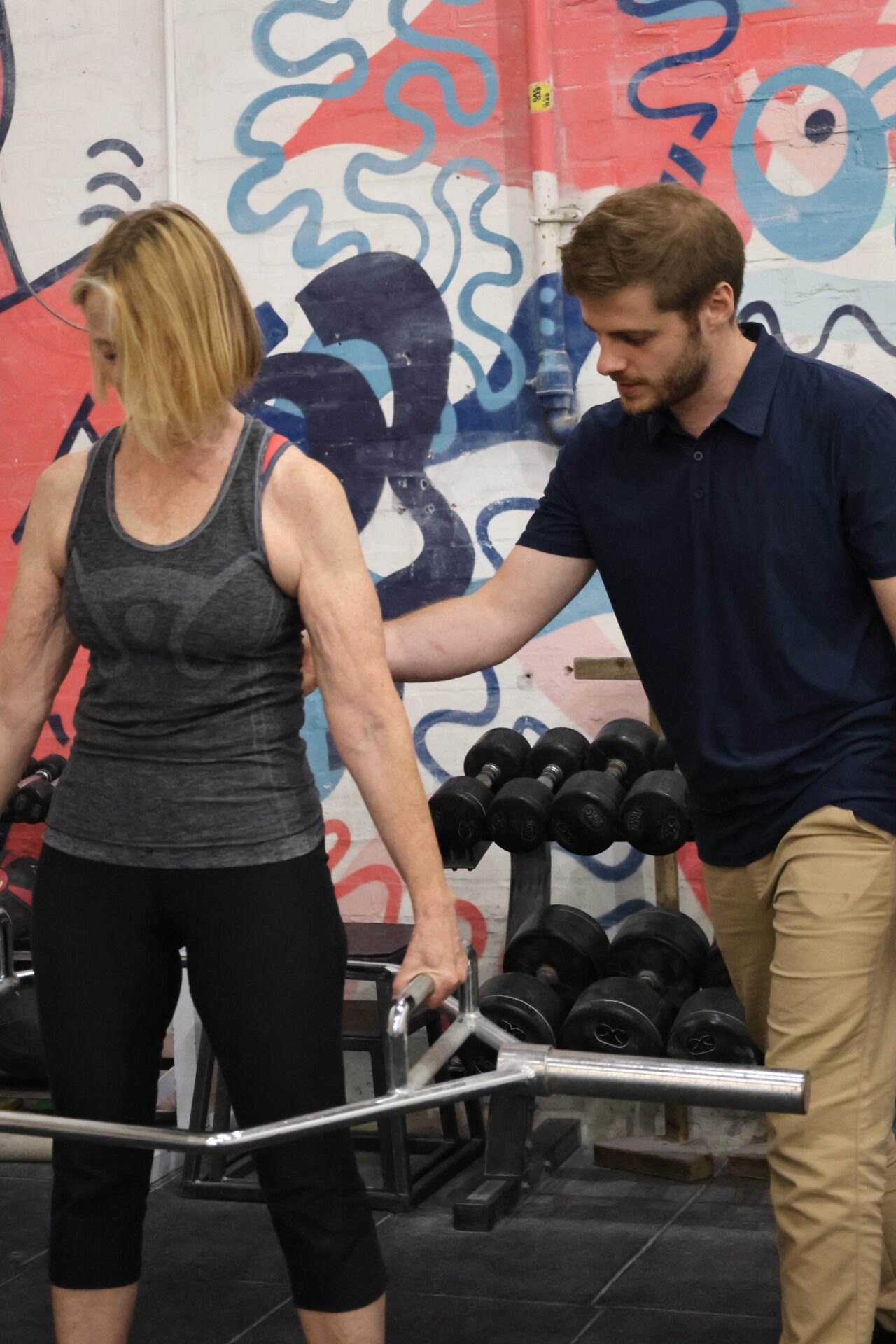
- Targeted rehab exercises for shoulder or elbow control
- Grip strength, rotator cuff loading, tendon progression
- Progressive return to gym, lifting, work or sport
- Long-term strategies to keep flare-ups at bay
3. Support along the way
- We don’t just hand you exercises and send you off
- We coach you through setbacks, tweaks and wins
- We adjust your plan as your body adapts
We also offer ergonomic advice, custom rehab plans and pacing strategies for desk-based strain, tennis elbow or wrist overload.
What to Expect
You’ll start with a one-to-one consultation where we:
- Listen to your story and understand your goals
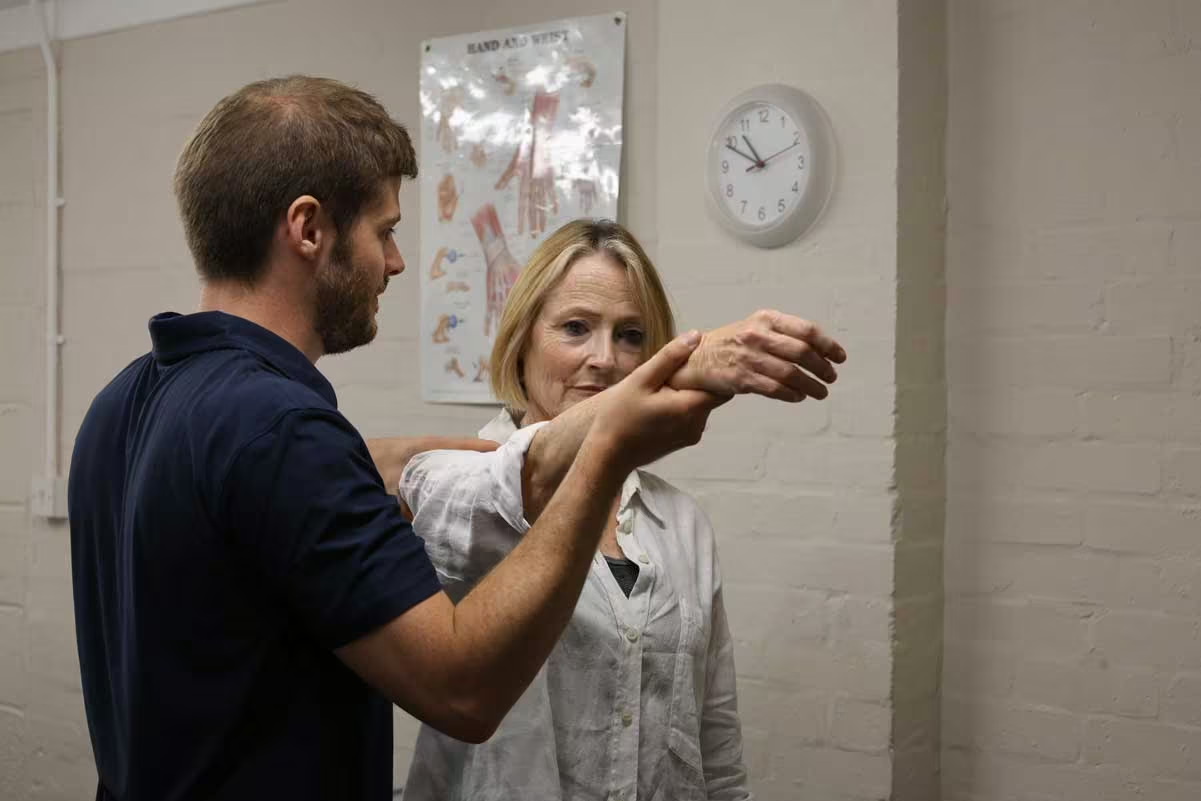
- Assess your movement, strength and any relevant nerve involvement
- Explain what’s going on in plain English
- Begin treatment - usually combining manual therapy with movement strategies
- Create a plan that evolves as you improve
We’ll never rush you, lecture you or hand you a one-size-fits-all sheet of exercises. Everything is built around your life and your priorities.
You don’t need to pick between physio, osteopathy or massage – we’ll build the right blend for you.


Frequently Asked Questions (FAQs)
Can physio help with shoulder impingement?
Yes – impingement is often linked to movement patterns and tendon overload. We help calm irritation and rebuild shoulder control so you can lift, carry and move freely again.
What causes pain when I lift my arm?
It’s often due to rotator cuff overload or altered shoulder mechanics – not a tear. We’ll assess thoroughly and get you back to confident, pain-free movement.
Do I need a scan or MRI?
Not usually. Scans rarely change the treatment plan. We’ll let you know if imaging is truly necessary.
Can carpal tunnel be treated without surgery?
Yes. In many cases, we can reduce symptoms and improve wrist mechanics through education, movement and load management – especially early on.
How long does tennis elbow take to heal?
With the right plan, many people improve in 6–12 weeks. But ongoing overload or poor grip control can delay things. We’ll guide you through it, step by step.
Who We Help
This page is for you if:
- You’re struggling with everyday tasks like dressing, cooking or working
- You’re a gym-goer, climber or swimmer frustrated by shoulder pain
- You’re an office worker with wrist or elbow pain from your desk setup
- You’re a parent or carer whose arm pain makes lifting hard
- You’ve had treatment before - but it didn’t last or never fully worked
- You just want to move well and stop thinking about your shoulder, elbow or wrist
We support people from all across Southampton, Eastleigh, Hedge End, Chandlers Ford and Bishop’s Waltham. Our clinic has easy parking and flexible appointments – including early mornings and evenings.

Booking
Ready to Feel in Control Again?
Shoulder, elbow and wrist pain can make you feel limited, cautious or frustrated.
But pain doesn’t mean damage. And it doesn’t mean you need to stop doing the things you love.
With the right support, you can move better, feel stronger and trust your body again