
Hip Impingement Treatment in Southampton
That sharp stab under your heel first thing in the morning. The way it eases off after a few steps, then catches you again after sitting—or at the end of a long day on your feet.
Plantar fasciitis is pain arising from the thick band of connective tissue—the plantar fascia—that runs along the sole of your foot from the heel bone to the toes. It’s one of the most common causes of heel pain, affecting about 10% of the general population, with 83% of those being active working adults between 25 and 65 years. In Southampton and across the UK, approximately 1 million patient visits annually are due to plantar fasciitis, accounting for about 10% of runner-related injuries and 11% to 15% of all foot symptoms requiring professional care. The condition develops when the fascia is overloaded beyond its current capacity—often through a change in activity, footwear, or accumulated demand over time. The good news: 80–90% of cases resolve with evidence-based conservative management, and we’ve helped many people in Southampton get back to walking, running, and standing without that first-step pain.
Research supports exercise-based rehabilitation as a first-line treatment for FAIS, with significant improvements in pain relief, function, and quality of life—without the risks and costs associated with surgery.
Is This What You're Feeling?
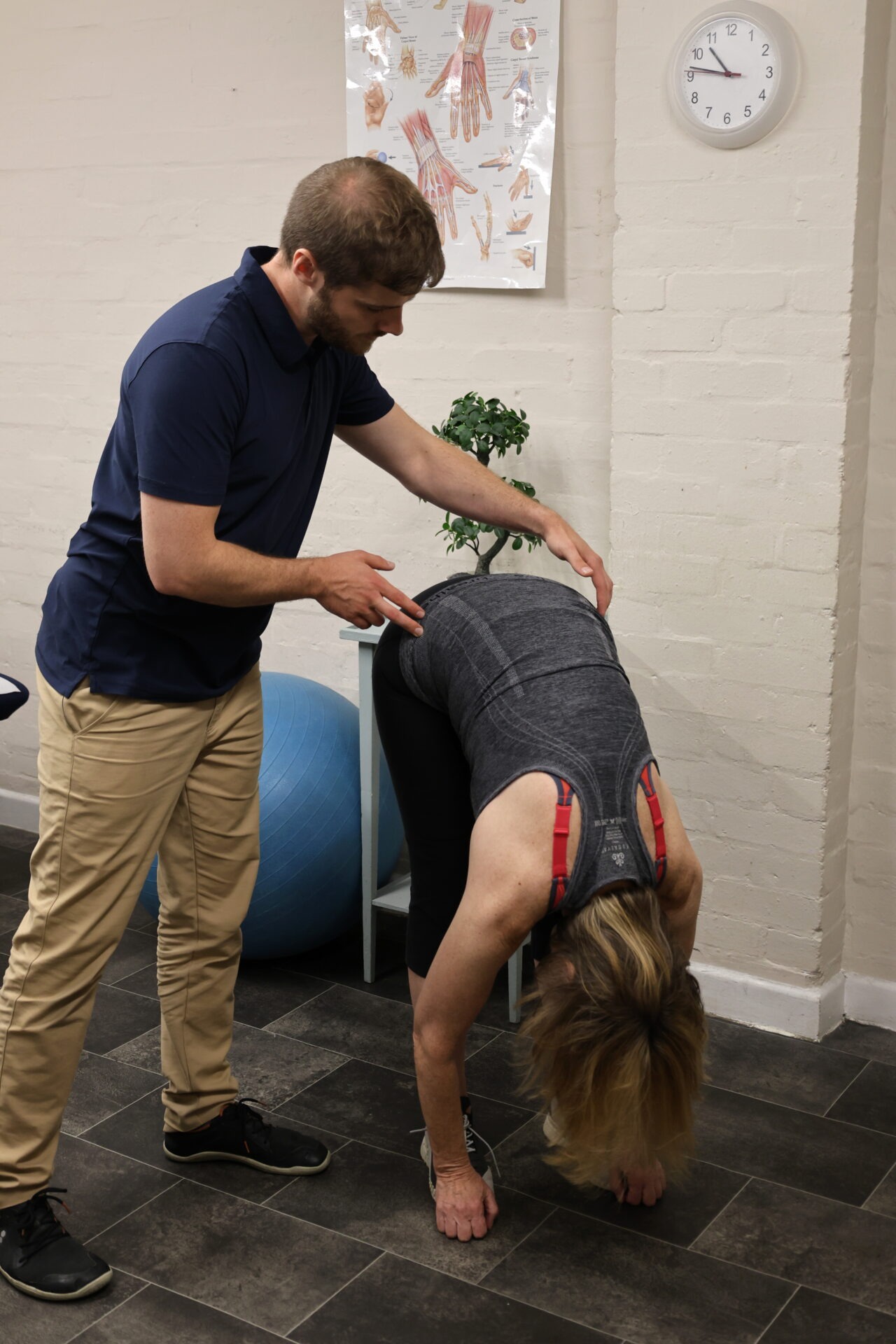
You may feel stiffness after sitting for long periods—at your desk, in meetings, or on long drives—and the hip can feel tight or restricted when you try to bring your knee toward your chest. Activities like squatting, climbing stairs, or pivoting can reproduce the discomfort. Some people describe a catching or clicking sensation deep in the hip joint, particularly during certain movements.
The pain is often worse with prolonged flexion or with activities that combine hip flexion, adduction (bringing the leg across the body), and internal rotation—movements common in running, cycling, football, dance, and many gym exercises.
Why Is This Happening?
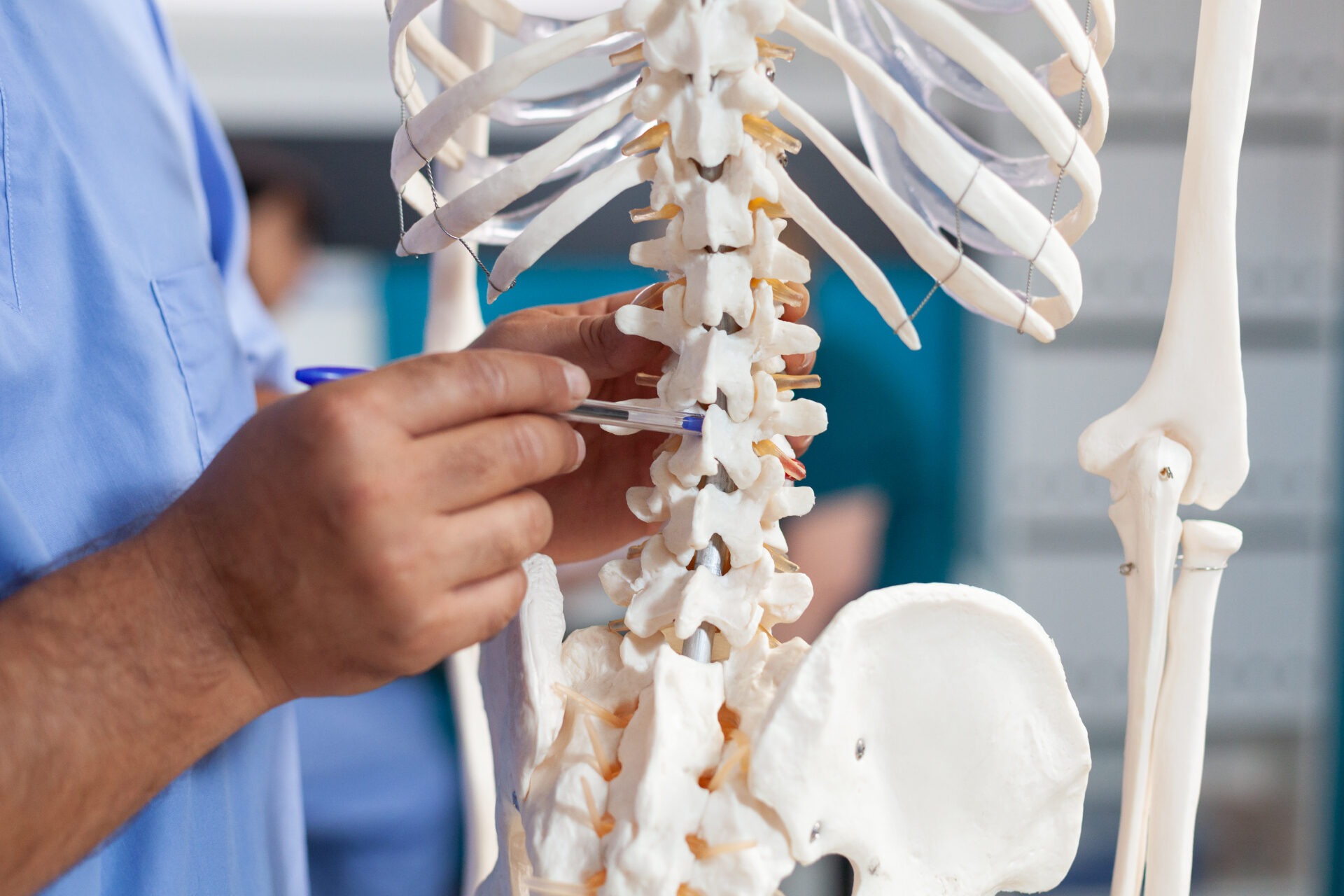
Hip impingement develops when there is abnormal contact between the ball and socket of the hip joint during movement. This contact can occur due to structural variations in the shape of the femoral head (cam morphology) or the acetabulum (pincer morphology), or a combination of both. Radiographic studies show that cam morphology is present in 13.4% of men and 3.9% of women, while pincer morphology affects 15.3% of men and 11.7% of women (Dickenson et al., 2016, British Journal of Sports Medicine). Many of these structural variations are present from a young age and may be influenced by sporting activity during adolescence, though some are simply anatomical differences.
The key point is this: not everyone with these structural changes develops pain. It’s helpful to see ourselves as normally abnormal. The problem isn’t the shape variation alone—it’s the combination of that variation with overload of certain positions and a lack of stability to control movement through those positions.
When the hip doesn’t have adequate muscular control—what we call active stability—to support movement through its full range, you lose tolerance for certain positions. The hip responds by becoming painful and restricted, often in flexion and internal rotation. Many people interpret this restriction as stiffness that needs to be stretched, and sometimes less experienced practitioners may even advise this. But stretching into the restricted, painful range is counterproductive—it pushes precisely the thing that is driving the problem.
Over time, repeated abnormal contact can lead to progressive damage of the labrum (the cartilage rim of the socket) and the articular cartilage inside the joint. This is why early intervention with the right approach matters.
Think of it like this: if the muscles around your hip don’t have the strength and control to position and stabilise the joint properly, the bones end up taking more load in vulnerable positions. The loss of movement you’re experiencing is often your body trying to protect the joint because it doesn’t yet have the control to utilise that part of the range safely. Getting that movement back doesn’t come from forcing it with stretching—it comes from improving the active stability and control first. Once this control is established, the range will be better tolerated.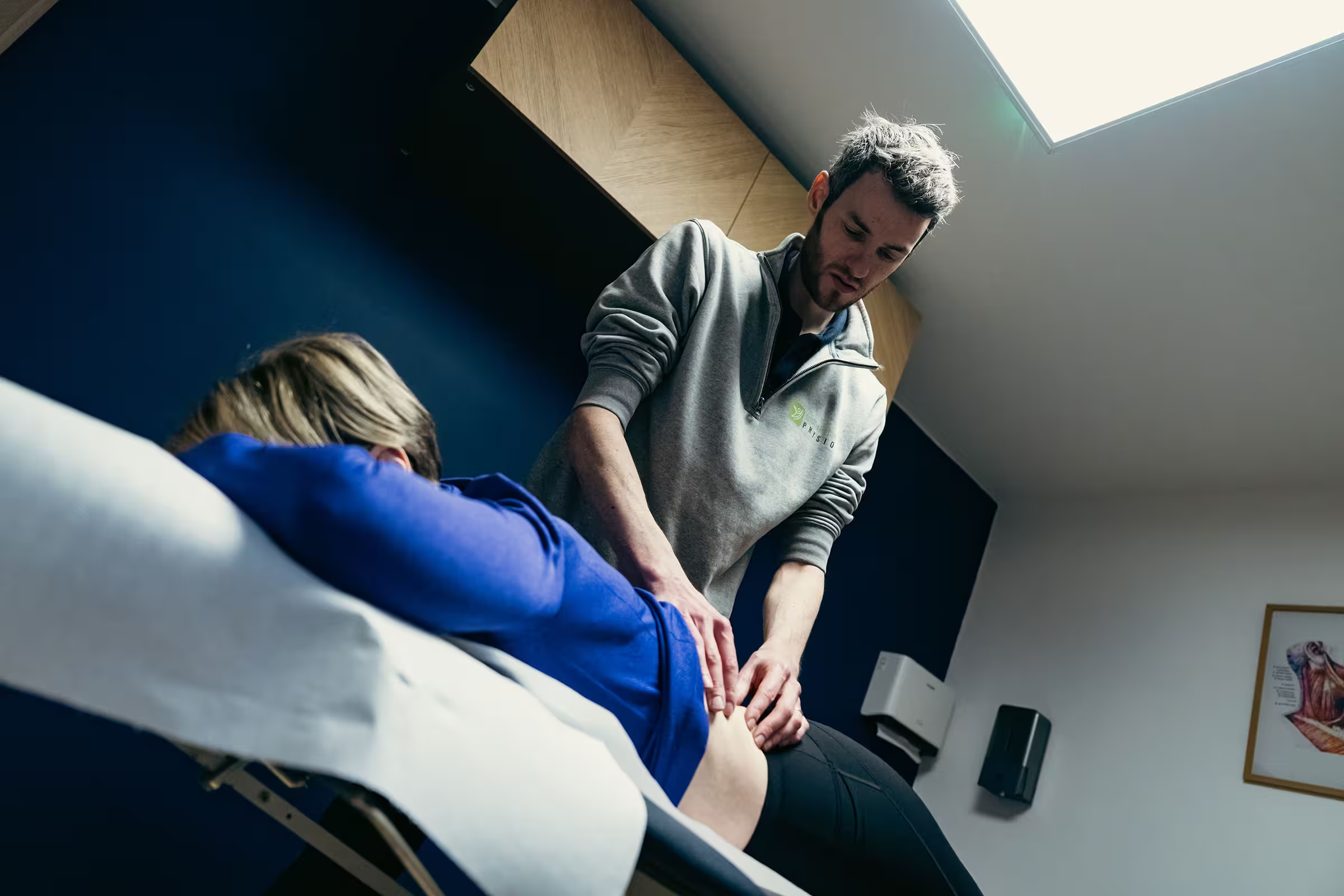
How Southampton Physio Treats Hip Impingement
Your First Assessment
Outcome: a clear explanation of what’s driving your symptoms and a specific plan to address it.
We’ll take a detailed history of your symptoms, how they started, what makes them worse or better, and what you’ve already tried. We’ll then assess your hip movement, strength, and control—not just at the hip itself, but also how your pelvis, lower back, and opposite leg are functioning.
A thorough musculoskeletal examination helps us differentiate hip impingement from related conditions such as labral tears (which may co-occur), bony stress reactions, or referred pain from the lower back. We’ll also assess your lumbopelvic control—your ability to position and maintain your pelvis in space—as this can significantly impact how much functional movement you have at the hip. If your pelvis is tilted forward, you hit the end of your hip range sooner, and that’s where the stress accumulates.
We don’t routinely require scans to diagnose or treat hip impingement. Clinical assessment is typically sufficient to guide treatment, though imaging can be helpful in some cases based on assessment findings. Imaging can show structural changes, but it doesn’t predict pain or function—many people with cam or pincer morphology on scans have no symptoms at all.
By the end of the first session, you’ll understand what’s happening, why it’s happening, and what we’re going to do about it.
Hands-On Treatment
Outcome: reduced pain, restored movement, and preparation for loading.
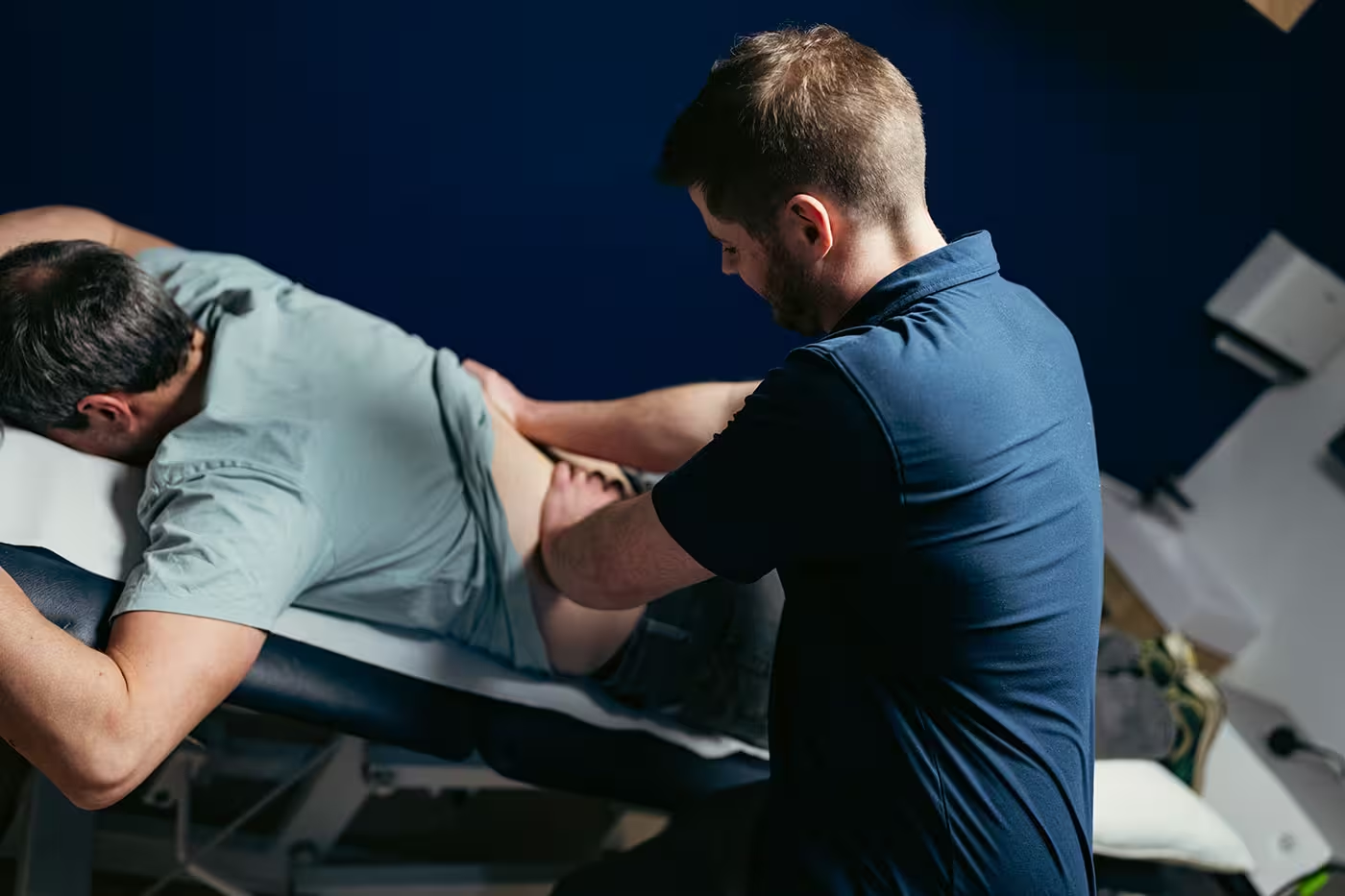
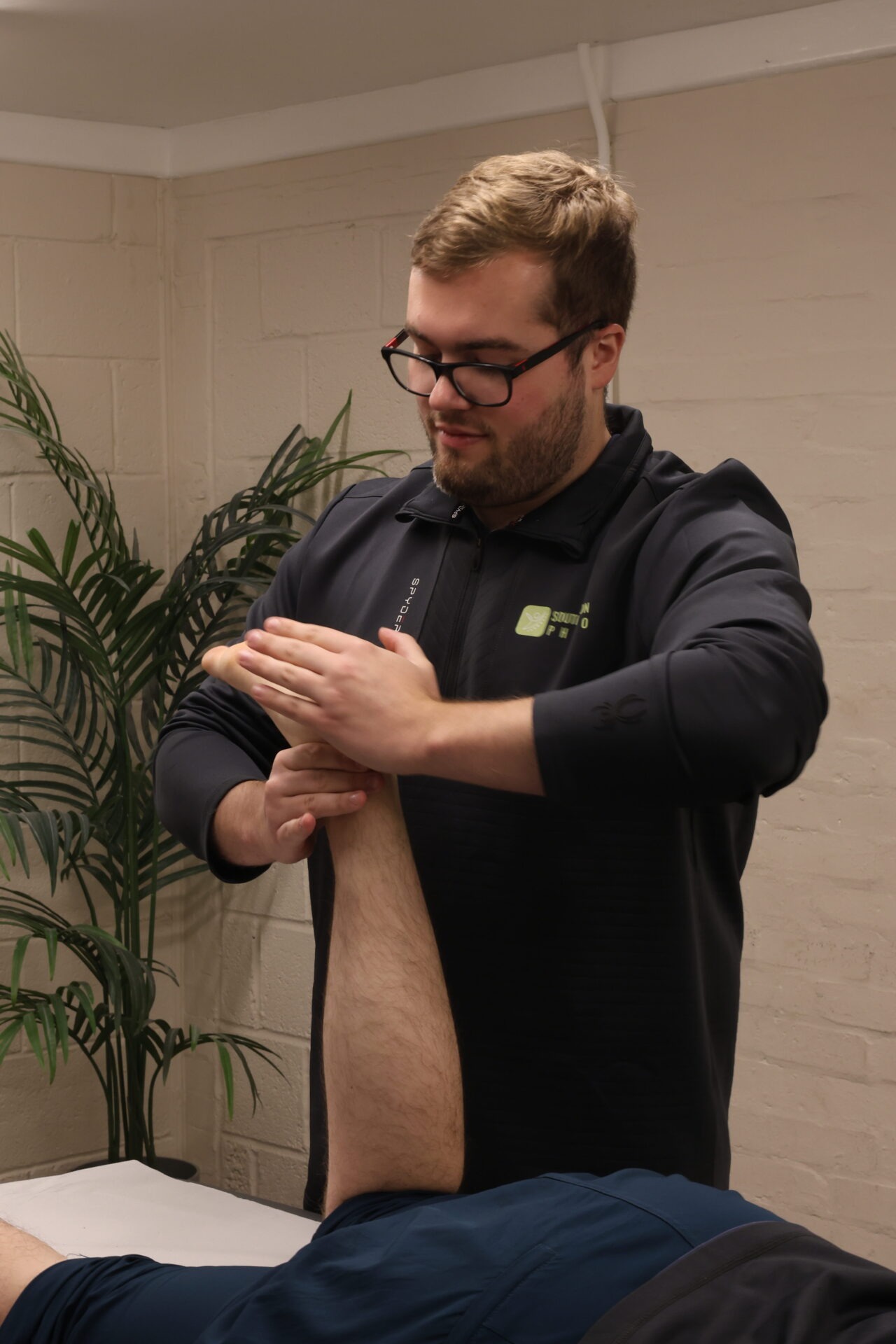
Manual therapy has its place, particularly in the early stages for people who respond well to it. Techniques such as joint mobilisation, soft tissue release, and muscle energy techniques can help desensitise the area, reduce protective muscle guarding, and restore more comfortable movement whilst you’re building control.
Manual therapy is not a fix on its own—it’s an adjunct that helps you move more comfortably so you can do the exercises that will actually resolve the problem. Some patients get significant short-term relief from hands-on work; others don’t respond as strongly. We adjust the balance of manual therapy and exercise based on your individual response.
If you’re someone who benefits from it, we’ll use it strategically to give you windows of reduced pain in which to build strength and control.
Building Long-Term Strength
Outcome: rebuilt tolerance, restored function, return to the activities you care about.
Exercise is the foundation of successful hip impingement rehabilitation. Current evidence supports structured physiotherapy programmes of 6–10 sessions as a first-line treatment, with significant improvements in pain, function, and quality of life. A UK-based randomised controlled trial published in the NIHR Health Technology Assessment (Griffin et al., 2022) found that physiotherapy led to meaningful improvements at 12 months, with physiotherapy being vastly more cost-effective than hip arthroscopy.
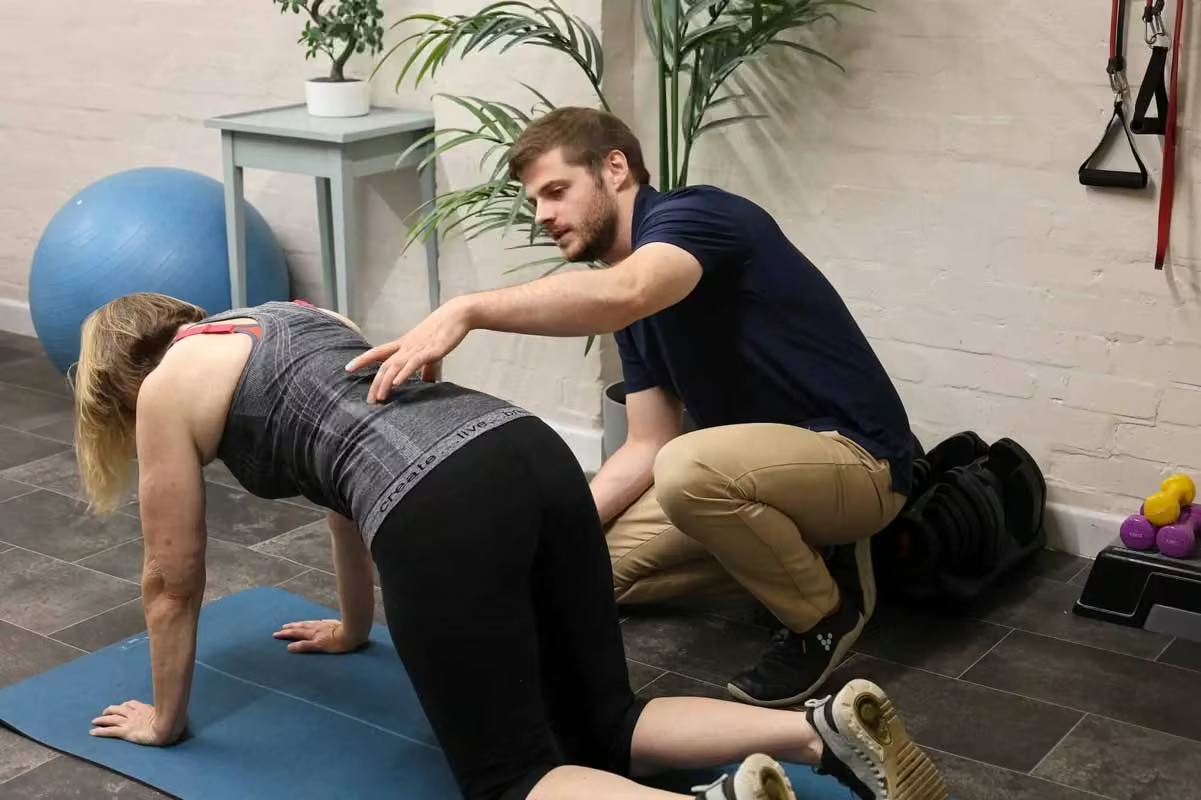
Success with FAI in the early stages requires stability. We focus on restoring active control—your ability to move your hip through its range with muscular support—before we progress to higher-level loading. This often starts with basic activation and control exercises, then progresses to strength work in positions that don’t irritate the joint, and eventually builds toward loading the ranges you’ve been avoiding.
Lumbopelvic control is integral to success for many people with hip impingement. Pilates-style control training can be particularly helpful here, as it teaches you to position your pelvis and maintain that position during movement. If your pelvis is poorly controlled, you functionally lose hip range and increase stress on the joint.
We also address other aspects of movement quality—how you squat, how you load and decelerate, how you move through rotation—so that your hip is better supported in the activities you need to return to.
Rehabilitation for FAI can be slow, but it can be hugely improved by attacking it from all angles: minimise irritable movements and positions in the early stages, restore control quickly, explore manual therapy to desensitise and restore range, steadily rebuild strength and function, and return to normal activities as this improves.
For people whose hip pain is persistent, recurrent, or hasn’t responded to previous treatment—particularly those with complex or multi-site issues—we offer a more comprehensive pathway called Clinical Personal Training that integrates our full team over 12–16 weeks. This is designed for cases where a deeper, root-cause approach is needed, and can also be beneficial for those seeking a very high level of function where more extensive rehabilitation may be beneficial or necessary.
What You Can Start Doing Today
Minimise sustained hip flexion. If you sit for long periods, stand and move every 30–45 minutes. Consider raising your chair height slightly or using a wedge cushion to reduce the amount of hip flexion when seated. Avoid sitting with your knees higher than your hips.
Stop stretching into the painful range. If deep hip flexion or internal rotation reproduces your pain, stop forcing it. Stretching into impingement is counterproductive. Focus instead on building control and strength in the ranges you can tolerate.
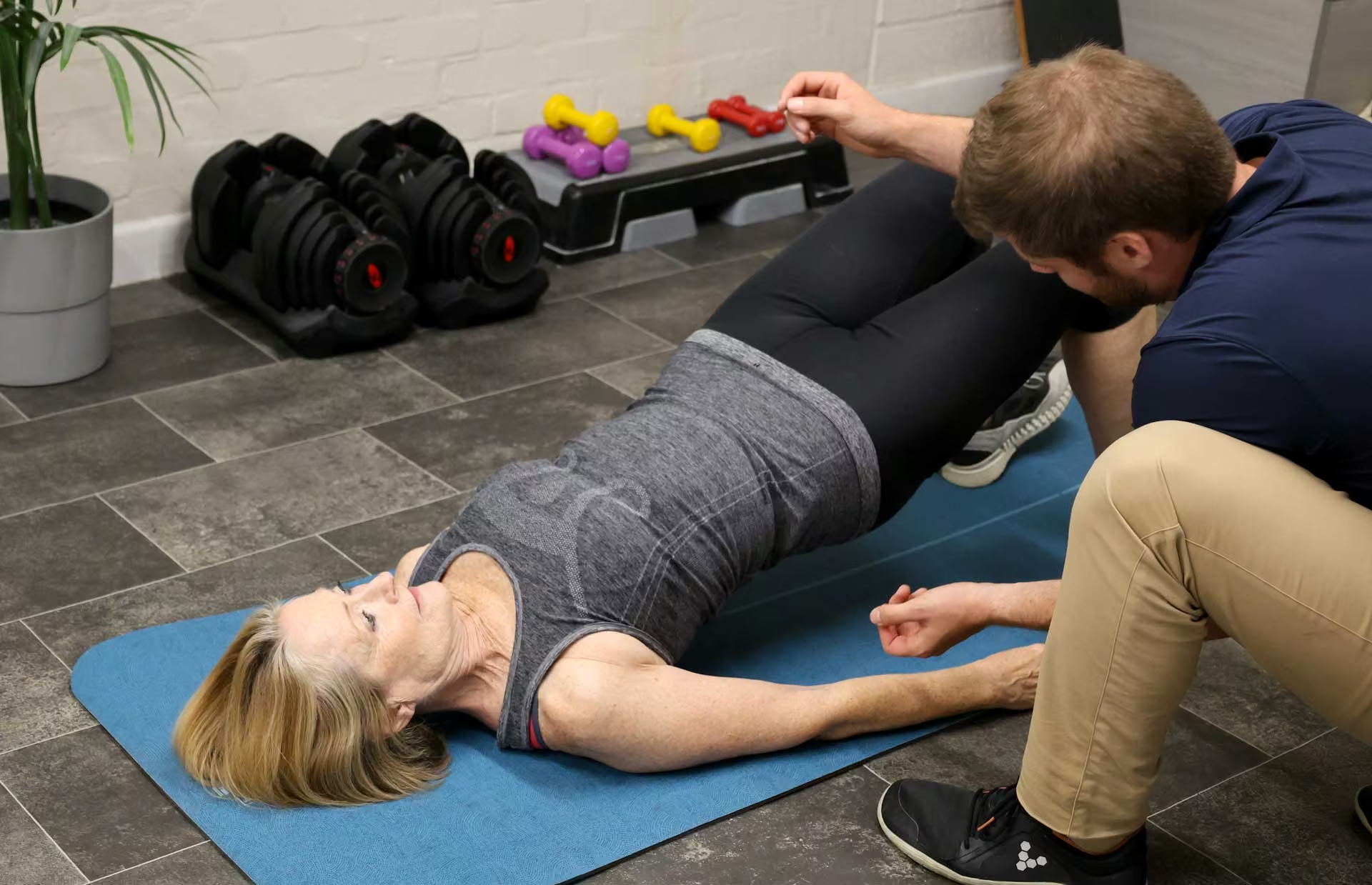
Start gentle glute and hip control exercises. Exercises such as bridges, side-lying hip abduction (clams), and standing single-leg balance can begin to restore stability without aggravating symptoms. A 2025 prehabilitation consensus published in the Journal of Orthopaedic & Sports Physical Therapy recommends that all patients awaiting hip arthroscopy—and, by extension, all patients with symptomatic FAIS—benefit from structured exercise programmes that include strength, mobility, and education components.
These steps won’t resolve hip impingement on their own, but they can reduce irritation and begin the process of rebuilding tolerance.
Will I Need Surgery?
Most people with hip impingement do not need surgery. Conservative rehabilitation should be considered a first-line treatment, as it provides significant improvements in pain relief, function, and quality of life while mitigating the risks associated with surgery (Applied Sciences, 2025).
Surgery—typically hip arthroscopy—is considered when symptoms persist despite an adequate trial of physiotherapy (usually at least 3–6 months), when there is significant structural pathology such as a labral tear with mechanical symptoms, or when imaging shows progressive cartilage damage. NICE guidance (IPG408, 2013) supports the use of arthroscopic surgery for appropriately selected patients, with current evidence on safety and efficacy considered adequate.
Return-to-sport rates following hip arthroscopy are high—87.7% of patients in a systematic review returned to sport (Minkara et al., 2019, American Journal of Sports Medicine)—and outcomes are generally sustained at five years (Jan et al., 2023, Arthroscopy). However, there is a pooled reoperation risk of 5.5%, and long-term outcomes beyond five years remain uncertain.
The 2024 International Society for Hip Preservation physiotherapy consensus statement emphasises that structured rehabilitation improves surgical outcomes and that psychological factors—including pain catastrophising and kinesiophobia—affect return to sport. Prehabilitation before surgery is now recommended for all patients, with programmes lasting 6–12 weeks and including strength, mobility, and education.
Surgery should not be the first option, and it’s not the answer for everyone. Even if you do eventually need surgery, the stronger and more prepared your hip is beforehand, the better your outcome will be.
How Long Does Recovery Take?
Conservative treatment: Milder cases often improve within 4–8 weeks, while more complex or long-term cases may require 4–6 months of treatment. It can take three to six months of physiotherapy rehabilitation to see meaningful improvement in strength and symptom reduction (Oxford University Hospitals, 2023). Most people see progress within the first 6–10 sessions, though this varies depending on how irritable the hip is, how long the problem has been present, and how well you’re able to modify aggravating activities.
Surgical outcomes: Return to sport is recommended between 5 and 10 months following hip arthroscopy for FAI, according to current consensus (Journal of Hip Preservation Surgery, 2025). Between 75.6% and 98% of flexibility athletes returned to sport at a similar or higher level than pre-surgery following hip arthroscopy for FAIS (Ifabiyi et al., 2024, Sports Health).
The timeline depends on the severity of your symptoms, the structural changes present, how early you start treatment, and how consistently you engage with rehabilitation. Rehabilitation for hip impingement can be slow, but most people see meaningful functional improvement within the first three months if the approach is right.
Why Choose Southampton Physio for Hip Impingement?
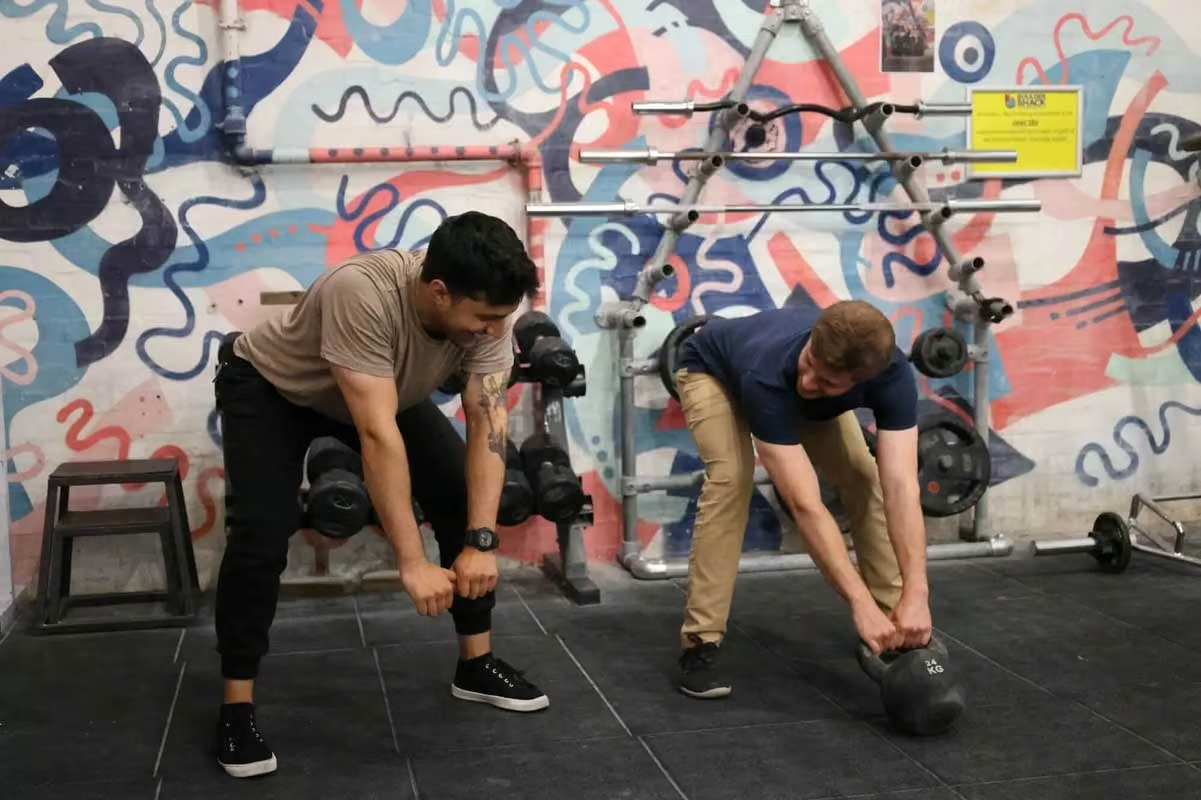
We specialise in treating persistent and complex musculoskeletal conditions—the problems that haven’t responded to standard treatment or that keep coming back. Hip impingement is one of the conditions we see regularly, and we understand the nuances of assessment, the importance of individualising treatment, and the need to address not just the hip, but the whole movement system.
Our team includes chartered physiotherapists, osteopaths, sports therapists, and clinical personal trainers, all working from the same evidence-based framework. If your hip needs hands-on work, progressive loading, or a longer-term strength-building pathway, we have the right clinician and the right environment. Richard has particular interest in assessing and treating more complex lower limb MSK pathologies, useful if you have sought treatment already but not seen the progress you are looking for. For higher level return to activity and sport, sports therapist Ewan, and strength coach and osteopath Ian are good options for rehabilitation.
We’re located at 35 Bedford Place in central Southampton, easily accessible from Shirley, Portswood, Ocean Village, and Woolston, with on-street parking nearby and excellent public transport links.
Frequently Asked Questions About Hip Impingement in Southampton
Is hip impingement permanent?
Can physio fix hip impingement?
Will I ever exercise again properly with hip impingement?
Why won't my hip impingement go away?
What flares up hip impingement?
What does an impinged hip feel like?
Do I need a scan for hip impingement?
How many physiotherapy sessions will I need?
What are the red flags I should look out for?
Can hip impingement lead to arthritis?
Ready to Get Moving Again?
You don’t need to accept hip pain as something you just live with. Whether you’ve been dealing with this for weeks or months, whether you’ve been told you need surgery or that nothing can be done, there is a structured, evidence-based pathway that works for most people.
We’ll assess your hip thoroughly, explain what’s driving your symptoms, and build a plan that makes sense for your body and your goals. No hype, no false promises—just clear explanation and effective treatment.
Call us on 023 8110 2077 or book online below.