
Hip Osteoarthritis Treatment in Southampton
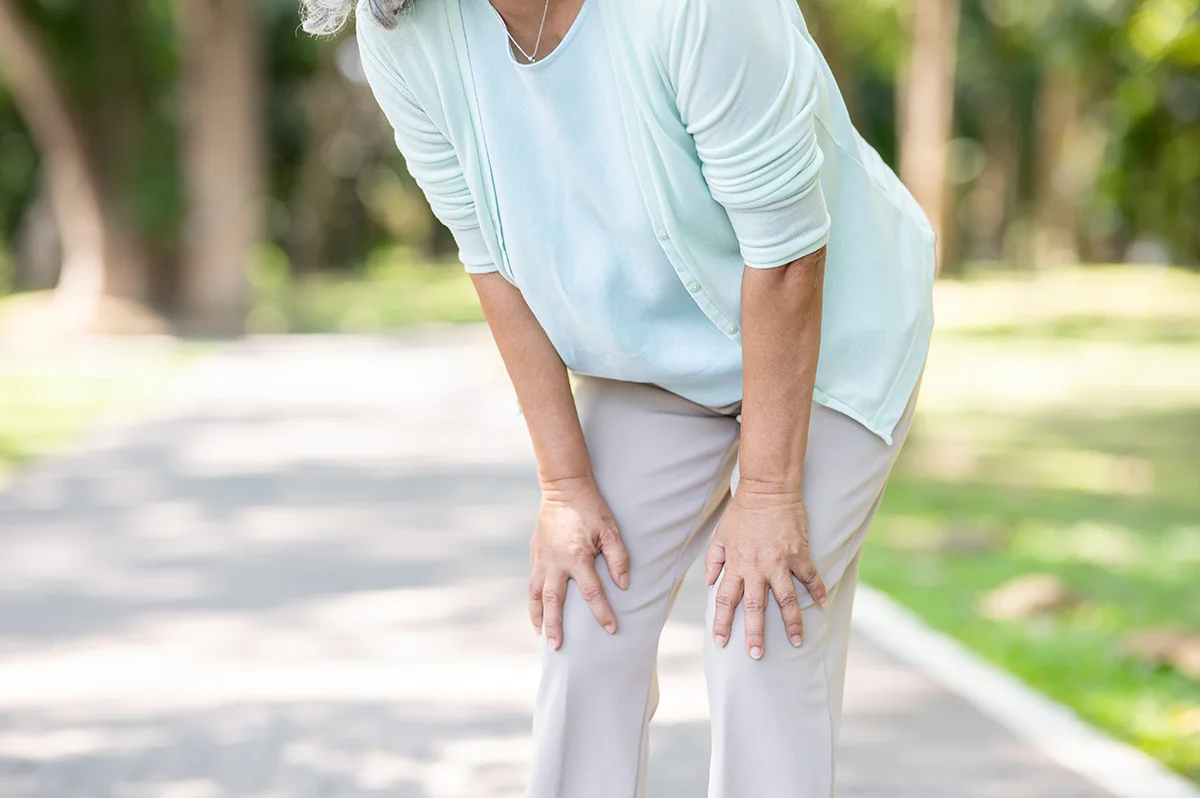
It might be a deep ache in your hip when you’re walking. It might be stiffness when you’re first getting up in the morning. Or it might be struggling to get out of that chair that was so comfortable until you sat down a little too long ago, followed by feeling you’re hobbling a few steps before your hip loosens up to walk more normally.
In technical terms, hip osteoarthritis can be described as a degenerative joint condition, characterised by changes to smooth articular cartilage, hardening or sclerosis of underlying bone, formation of bone spurs and changes to surrounding soft tissues, such as synovitis affecting the joint capsule. Degenerative might sound a scary term. It might sound like an inevitable and long slow wait for things to get worse, but that does not need to be the case. The condition does not inevitably worsen over time with the right management (Wieczorek et al., 2020). At Southampton Physio, we are here to help you understand, learn how best to manage your symptoms, rebuild strength and return to what matters most to you.
According to the organisation Arthritis UK, approximately 3.2 million people in the UK have hip osteoarthritis, so if you are in that number, you are far from being alone.

Is This What You're Feeling?
- Location - deep groin pain, buttock pain or pain in a “C shape” around the hip (imagine making a C with your index finger and thumb, placing the hand over the side of your hip). The pain may also refer down the front of the thigh or into the knee.
- Aggravated by walking, stairs, or getting in and out of the car.
- Pain and stiffness after static periods, especially longer periods, such as driving, working at a desk, watching TV.
- Morning stiffness. Tightness and difficulty moving on getting up in the morning, usually easing within 30 minutes of getting up and moving around.
- Reduced joint mobility. The hip might feel less flexible, particularly in rotating your leg inwards or outwards, causing difficulty with putting on shoes and socks.
- Changes to walking pattern. Stride length and walking speed can change, alongside developing a limp or “antalgic gait”.
- Flare ups. Symptoms can fluctuate and it is common to have flare ups lasting days or weeks, which then settle in time to normal levels.
Why Is This Happening?
Hip osteoarthritis develops when the demands placed on the hip joint exceeds its capacity to adapt and repair over time.
Inflammatory and mechanical factors contribute to the development, progression and severity of osteoarthritis:
- Inflammatory changes are significant to progression and severity of osteoarthritis (Robinson WH et al., 2016, Sanchez-Lopez E et al., 2022)
- Obesity or being overweight. Adipose tissue results in low grade systemic inflammation. (Ouchi et al, 2011; Wang & He 2018)
- Previous hip injuries can predispose to development of osteoarthritis later in life.
- Developmental changes, such as Perthes disease and developmental dysplasia.
- Reduced hip strength and control. Weakness in the gluteal muscles and hip stabilisers changes how load is distributed across the joint during walking, stairs, and single-leg activities
- Movement patterns. How you walk, stand, and move influences joint loading and muscle strength.


How Southampton Physio Treats Hip Osteoarthritis
Your First Assessment
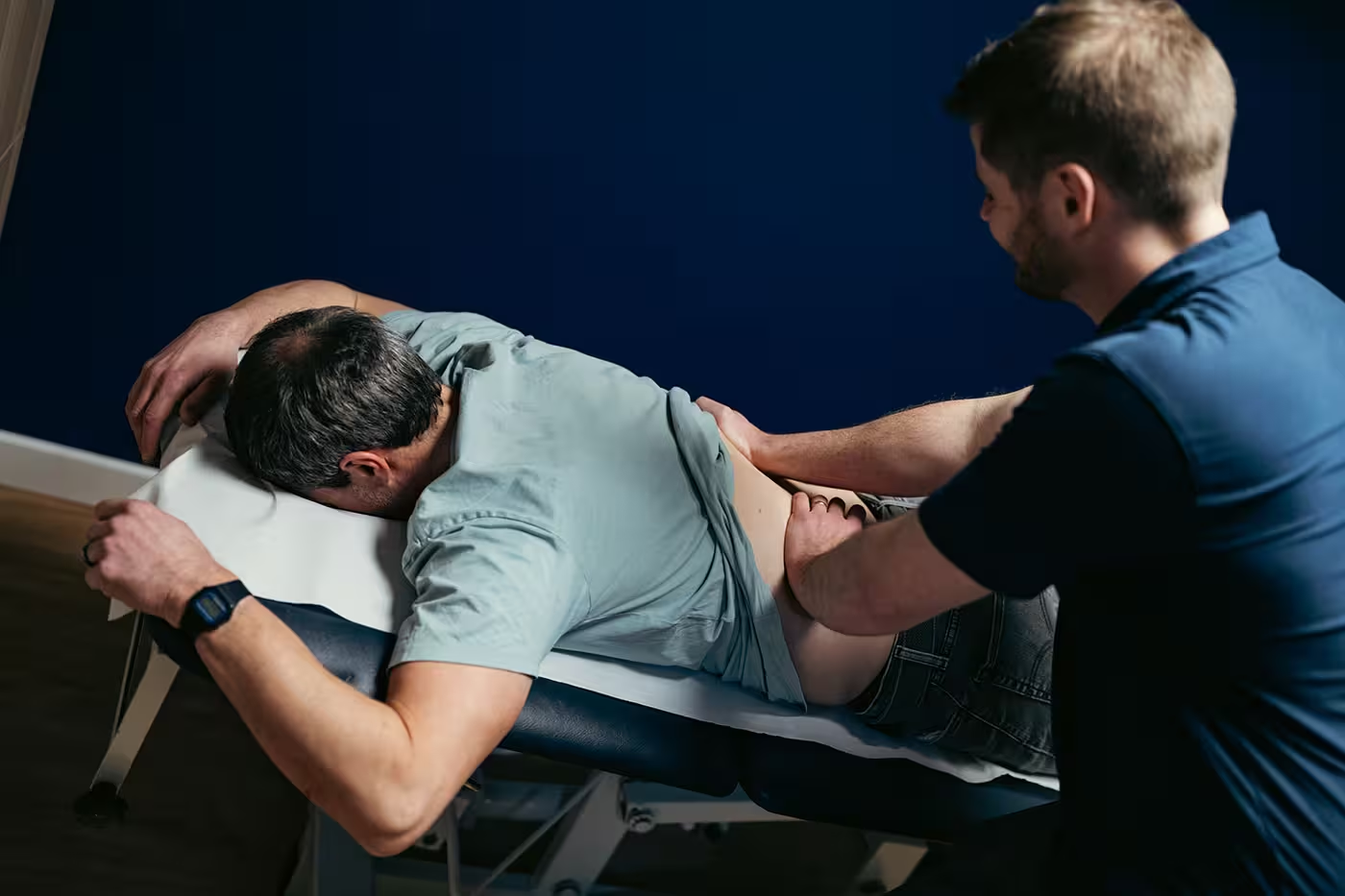
Hands-On Treatment and adjuncts for pain relief
Building Long-Term Strength
NICE Guidelines for osteoarthritis recommend education, exercise, and weight management, if applicable. Manual therapy and other interventions may help in the short term, but exercise is the strongest evidence-based intervention for long-term improvement.
Exercise, movement re-education and self-management strategies are how lasting improvement occurs. We work along the same guidelines and evidence base which guide NHS management. NICE guidelines (2022) for osteoarthritis recommend:
- Tailored therapeutic exercise
- Supervised therapeutic exercise
- Long term adherence with exercise
- Education
- Behaviour change
- Weight loss for those who are overweight or live with obesity
- Consideration of mobility aids
We can tailor your exercise and physical activity to your symptoms and lifestyle, support you to learn to listen to your body and work with it, not against it. We will explore the impact other conditions have, to widen your understanding and ability to manage on your own for long after you have seen us.
Your programme will likely include:
- Progressive strengthening exercises, targeting the muscles that stabilise and move your hip, progressing from non-weight bearing, to bodyweight to loaded resistance as appropriate and tolerated
- Movement retraining, addressing compensatory patterns in walking, stairs, and single-leg activities
- Aerobic exercise. Walking, cycling or swimming to improve overall fitness, reduce or manage systemic inflammation as well as improve the hip tolerance.
Evidence supports exercise for management of osteoarthritis. For example, a 2025 UK trial (Wainwright et al., 2025) found that a cycling and education programme was effective for hip osteoarthritis. Many patients report improved comfort moving in water.
NHS Physical Activity guidelines guidelines both recommend 150 minutes of moderate-intensity aerobic activity per week, alongside resistance training 2 to 3 times per week. We’ll tailor this to your current capacity and build gradually.
For some people, especially those who’ve tried multiple treatments without lasting results, we offer a more comprehensive pathway through our Clinical Personal Training servic. This integrates our full team over 12 to 16 weeks and is designed for persistent or complex issues that need a deeper root-cause approach.
What You Can Start Doing Today
- Keep moving within tolerance. Complete rest is not recommended. Walking, gentle cycling, or swimming maintain hip mobility and reduce stiffness. Start with short, manageable distances and gradually increase as tolerated
- Modify aggravating activities. If prolonged walking brings on pain, break longer walks into shorter segments with rest. If stairs are difficult, use a handrail and take your time
- Consider weight management if appropriate. If you're overweight, weight loss of 5-10% of body weight significantly reduces joint loading and improves symptoms. This is a strongly recommended intervention across all major guidelines (EULAR 2023, NICE NG226, OARSI 2019, ACR/AF 2020)
Why Choose Southampton Physio for Hip Osteoarthritis?
Our team has extensive experience managing hip osteoarthritis across all ages and activity levels, from office workers struggling with daily tasks to runners and cyclists aiming to return to sport. We integratephysiotherapy, osteopathy, sports therapy and clinical personal training under one roof at our Bedford Place clinic, and we treat the underlying drivers of your symptoms, not just the pain itself.
We combine hands-on treatment, tailored rehabilitation exercises, and education grounded in current evidence. You’ll work with clinicians who understand that hip osteoarthritis is not a barrier to an active life. It’s a condition that responds to the right approach.
Frequently Asked Questions About Hip Osteoarthritis in Southampton
Will physiotherapy help my hip osteoarthritis?
How is physiotherapy used to manage hip osteoarthritis?
What does hip osteoarthritis pain feel like?
Should I see a physiotherapist or GP for hip pain?
How long does hip osteoarthritis treatment take?
What exercises are best for hip osteoarthritis?
Is it safe to exercise with hip osteoarthritis?
What should I avoid with hip osteoarthritis?
Do I need a scan for hip osteoarthritis?
How many physiotherapy sessions will I need?
Can hip osteoarthritis get better, or does it always get worse?
There is strong evidence that hip osteoarthritis does not inevitably worsen over time (Systematic Review by Wieczorek et al., 2020). We know that symptoms can fluctuate, and flare-ups are common. However, many people improve significantly with the right management, in terms of pain, reliance on pain relief medication, improved quality of life, reduction in sick leave and reduction in desire for surgery (Jönsson et al, 2019).
Exercise, weight management, and education can reduce pain and improve function even in people with advanced imaging changes. Progression to surgery is not inevitable.
What is the difference between a physiotherapist and an osteopath for hip osteoarthritis?
Booking
Ready to Get Moving Again?
Hip osteoarthritis is a condition that responds to the right treatment. You don’t need to accept reduced activity, and you don’t need to wait for symptoms to worsen. Most people see meaningful improvements in pain and function within a few months of starting a structured exercise programme, and many return to the activities they thought they’d lost.
If you’re ready to take control of your hip pain and work with a team that understands what works, book your assessment today. Call us on 023 8110 2077 or use the link below.