
Spinal Stenosis and Leg Weakness Physiotherapy – Southampton Physio
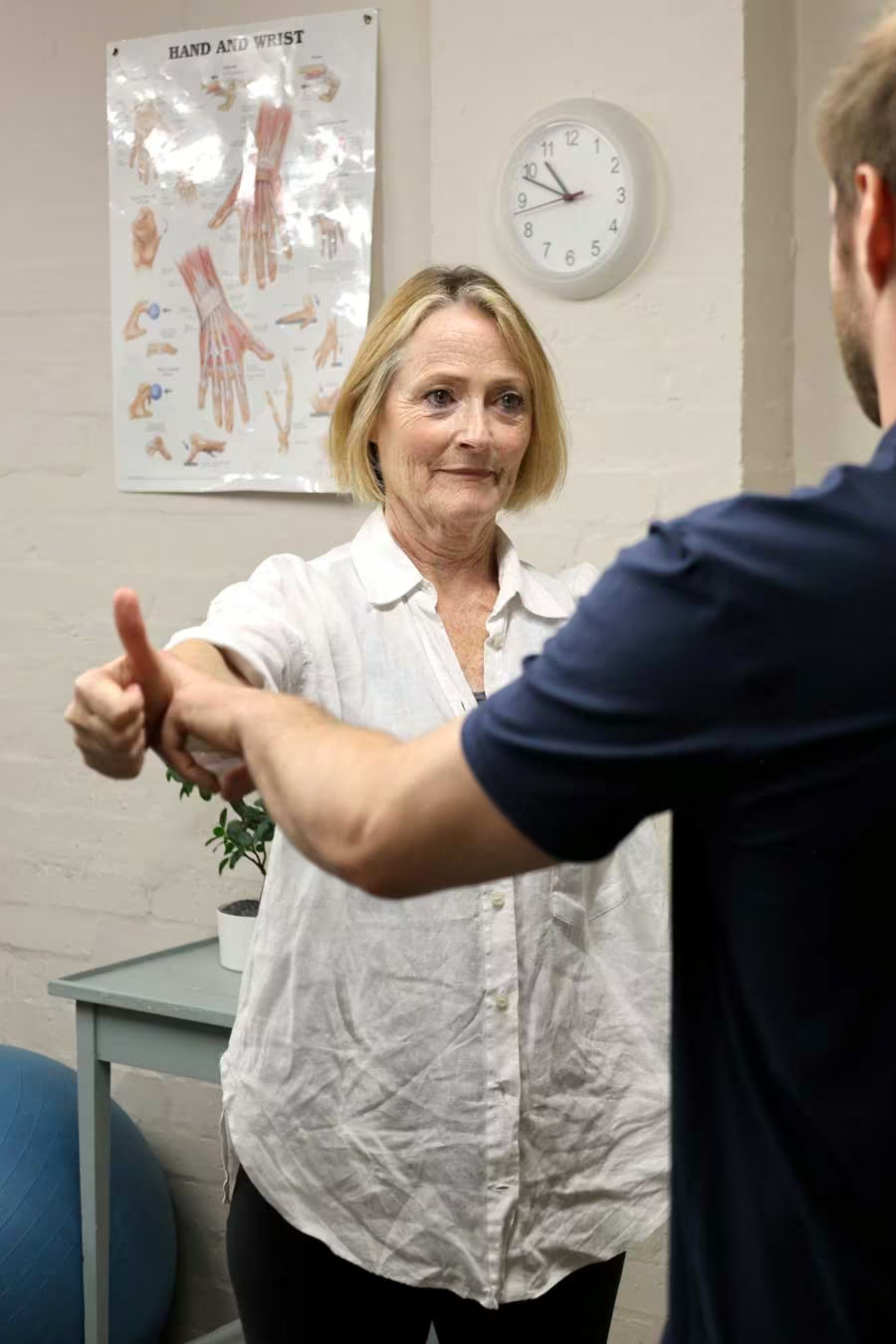
Can physiotherapy help with spinal stenosis and leg weakness?
Introduction
Spinal stenosis can sound intimidating. For many people it brings not only back pain but also troubling symptoms like heavy legs, numbness or weakness when walking. It can feel as though your independence is shrinking: trips to the shops, a stroll around the park or even standing in the kitchen may bring on discomfort that forces you to sit down and rest.
The good news is that spinal stenosis does not always mean surgery. Physiotherapy can often help people manage their symptoms, build strength and walk further with more confidence. At Southampton Physio, our clinicians combine hands-on care with a structured programme of exercise and movement coaching. The aim is not just to calm pain in the short term but to restore mobility and help you stay active for the long term.
What is spinal stenosis?
Spinal stenosis refers to a narrowing of the space within your spine, usually in the lower back. This narrowing can place pressure on the nerves, leading to a collection of symptoms known as neurogenic claudication. People often notice heaviness, pain, tingling or weakness in the legs that appears during walking or standing and eases when sitting or leaning forwards – the so-called “shopping-trolley sign”. This can feel similar to sciatica.
It is most common in people over 55 and often develops gradually with age-related changes. Some people are surprised to learn that imaging such as MRI can show narrowing in the spine even when symptoms are mild or absent. That is why scans are not always the first step: they are usually reserved for people whose symptoms are severe, worsening or not improving with appropriate care.
Although spinal stenosis can be worrying, it is not always progressive. Many people stabilise with the right management. The key is to understand the condition, rule out urgent warning signs and take proactive steps to build strength and confidence in movement.

Causes and symptoms
Typical symptoms include:
- Pain, heaviness or cramping in one or both legs when walking or standing
- Relief when bending forwards, sitting or leaning on a support
- Tingling, numbness or weakness in the legs or feet
- Reduced walking distance before needing to rest
- In some cases, changes in balance or confidence on uneven ground
A small minority of people may experience sudden bladder or bowel changes, loss of feeling in the saddle area or rapidly worsening leg weakness. These are red flags that require immediate medical attention. If you notice any of these symptoms, you should call 999 or attend A&E without delay.
Most people, however, can manage their symptoms with the right combination of exercise, lifestyle adjustments and physiotherapy guidance.
By focusing on what your body can still do – and gradually building from there – you can often regain strength, stability and peace of mind.
Facet joints can contribute — see facet joint pain.
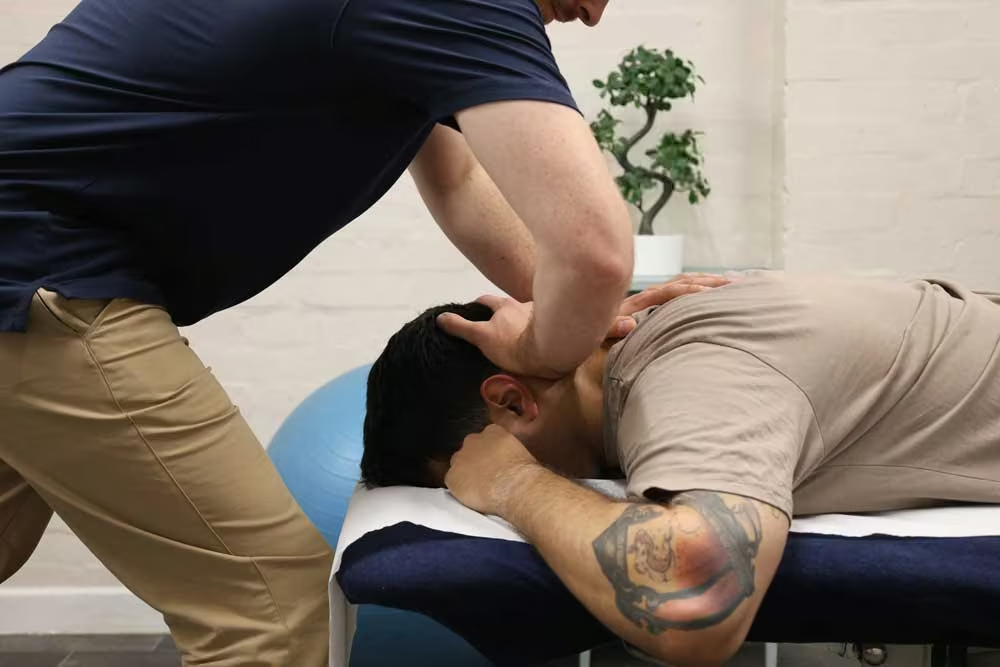
How physiotherapy helps
- Targeted exercise therapy: Strengthening the legs, hips and trunk improves how your body supports the spine and nerves. Programmes usually include both strengthening and stretching, combined with aerobic exercise such as walking or cycling in a flexed position.
- Balance and stability training: Leg weakness and unsteadiness are common in spinal stenosis. Exercises to improve coordination, balance and core stability reduce the risk of falls and increase everyday confidence.
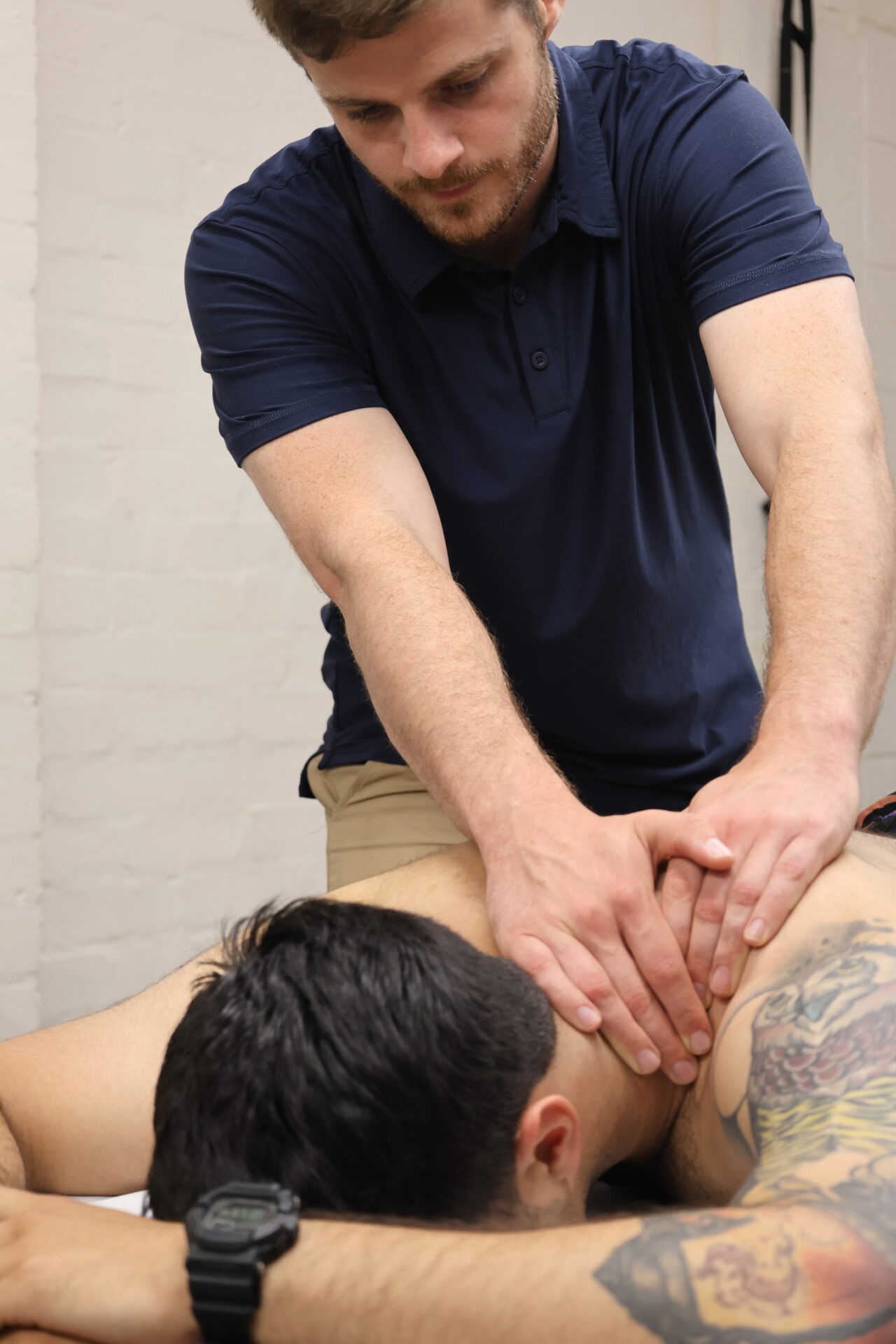
- Manual therapy where useful: Hands-on treatment can reduce stiffness and ease pain. While this effect is often temporary, it can make exercise more comfortable and help you get started.
- Education and pacing strategies: Understanding your condition and learning how to pace activities helps you stay active without overdoing it. For example, planning walks with regular rest points or leaning on a support can extend your distance.

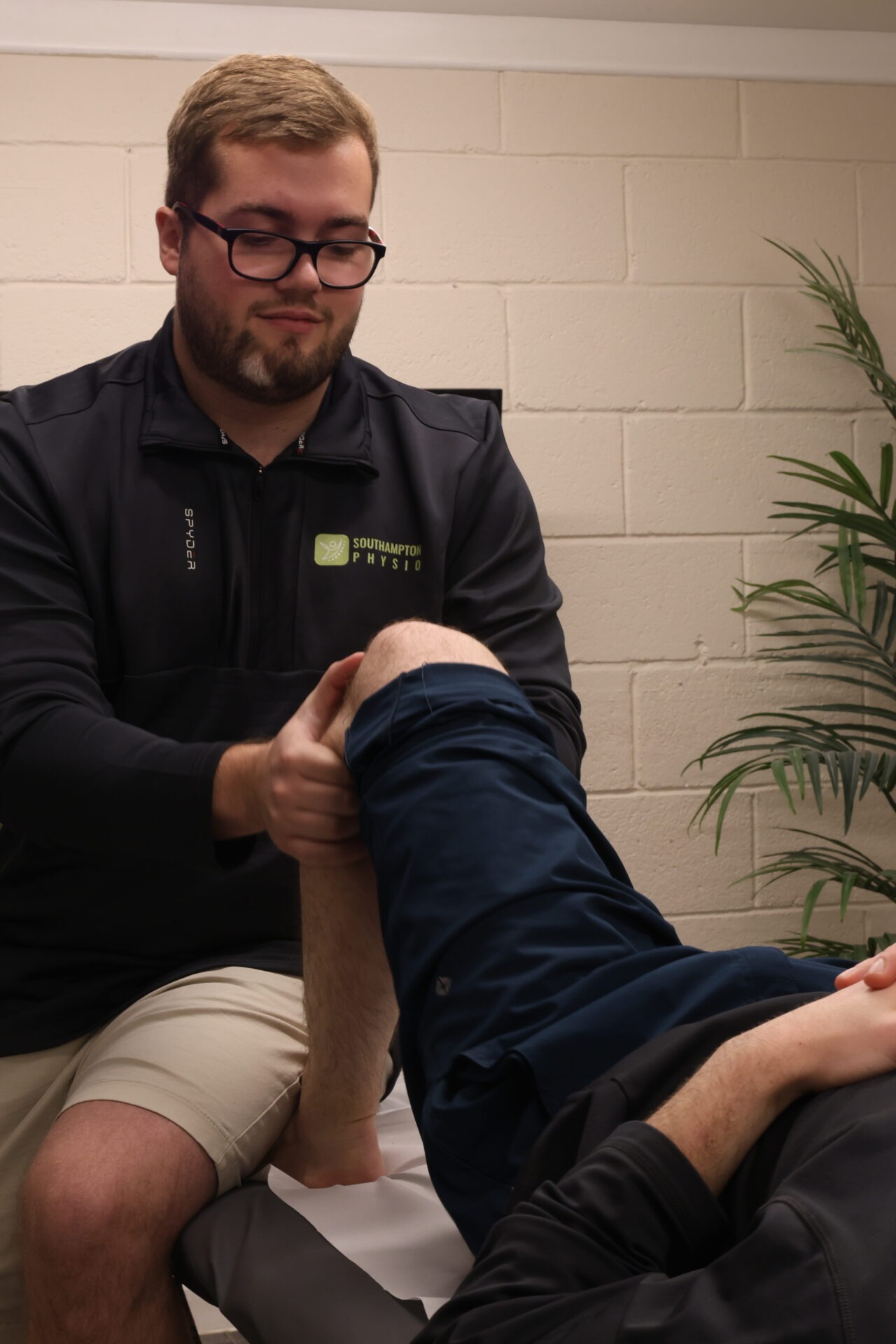
What to expect at Southampton Physio
Your first appointment is about listening and understanding. We start by exploring your symptoms, lifestyle and goals. A thorough assessment helps us identify whether your leg weakness is linked to spinal stenosis or whether other factors may also be contributing.
Safety is always the priority. If we identify any warning signs – such as rapidly progressing weakness, bladder or bowel changes or significant nerve symptoms – we will advise urgent referral. In most cases, though, it is safe to begin a tailored physiotherapy plan straight away.
Here is what you can expect with us:
1. Clear explanation:
2. Individualised plan:
3. Progress tracking:
4. Reassurance on investigations:
Treatment options explained
Physiotherapy
- First-line treatment for mild to moderate spinal stenosis
- Focuses on exercise therapy, balance training and education
- Can extend walking distance, reduce pain and improve confidence in movement
Injections
- Steroid or nerve-root injections are sometimes offered when pain is severe
- Evidence shows that these often provide little or only short-term relief
- Best seen as an adjunct rather than a cure, and only considered if pain is blocking rehabilitation
Surgery
- Reserved for cases where conservative management has not worked or when symptoms are severe, such as progressive neurological loss
- Procedures aim to decompress the nerves by removing bone or soft tissue narrowing the canal
- Surgery can help some people but carries risks, including infection, nerve damage and recurrence of symptoms
The best decision is made through shared discussion. Your clinician can guide you on when surgery might be appropriate, but many people improve without it. At Southampton Physio, our role is to help you explore every non-surgical option first.
For long-lasting pain cycles, see persistent pain management.
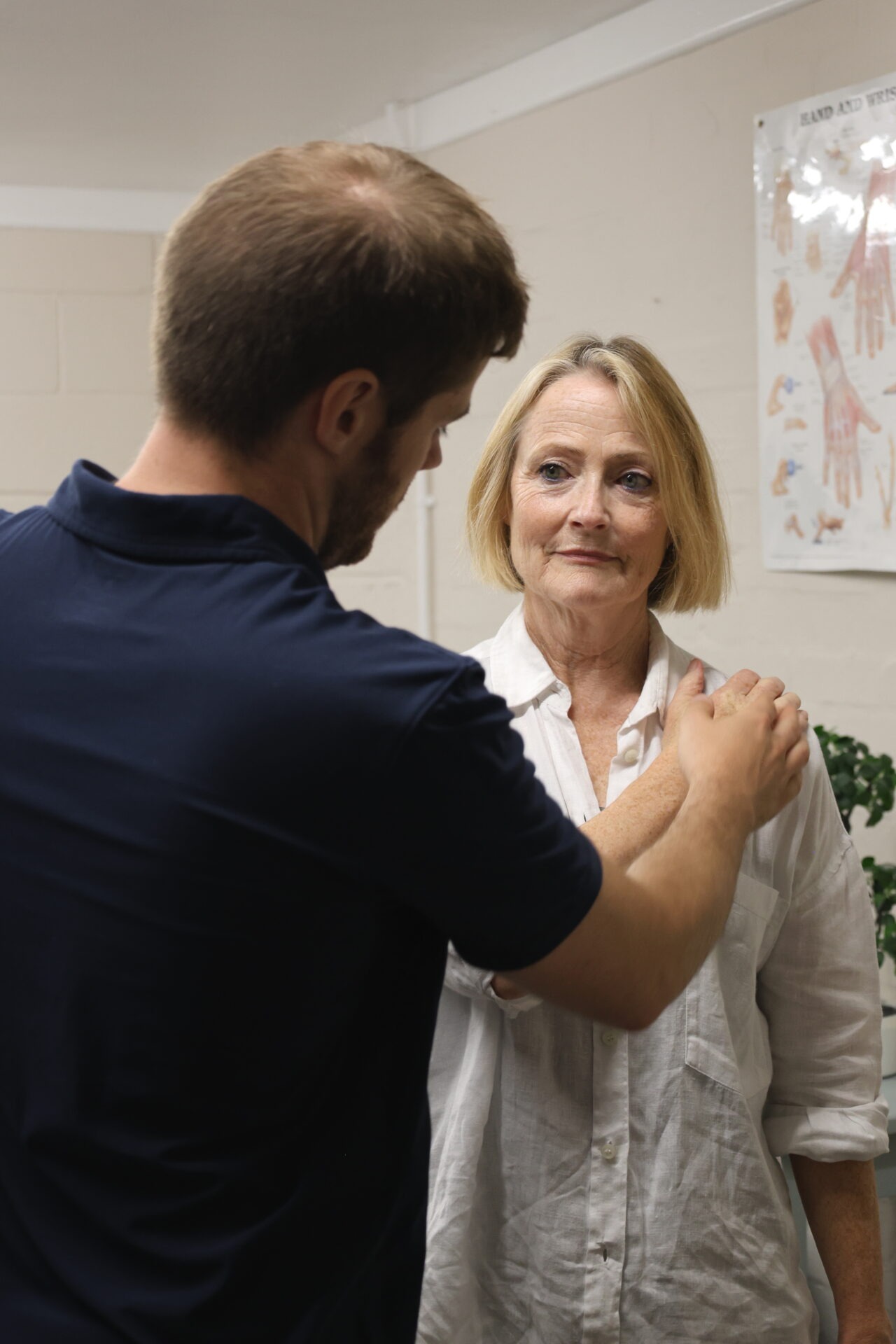
Success stories
We often meet people who arrive worried that their walking days are over. One patient, a keen gardener in her late sixties, came to us after she could barely manage five minutes on her feet without leg pain forcing her to stop. Through a programme of flexion-based cycling, leg strengthening and balance training, she gradually extended her walking tolerance.
After three months, she could spend half an hour tending her plants before needing a rest. The difference was not only physical but emotional – she felt confident enough to re-join her local gardening club and walk to the shops again without fear.
Stories like this are not about miracle cures. They show what can happen when people commit to a structured plan and receive support that addresses both body and confidence.
Frequently Asked Questions (FAQs)
Does walking help or worsen spinal stenosis?
Can physiotherapy prevent spinal stenosis from getting worse?
When should I consider surgery?
What is the difference between spinal stenosis and a slipped disc?
A slipped disc is usually a sudden injury where disc material presses on a nerve. Spinal stenosis is a gradual narrowing, often linked to ageing. They can cause similar leg symptoms, but management strategies differ.
Can leg weakness from spinal stenosis be reversed?
Take the next step
Living with spinal stenosis can feel limiting, but you do not have to face it alone. Physiotherapy can help you regain strength, walk further and feel more confident in your daily life.
At Southampton Physio, our clinicians specialise in combining hands-on treatment with structured exercise and coaching. Whether your goal is to shop without pain, garden without constant breaks or simply feel steadier on your feet, we will help you build a plan that fits your life.
We know that every person’s journey is different. Some need reassurance that surgery is not inevitable. Others simply want the right guidance to keep moving safely. Our role is to give you clear answers, proven strategies and the support to keep progressing.
Why choose Southampton Physio?
- Clinicians who are both physiotherapists and strength coaches
- Evidence-based care with a personal touch
- A focus on long-term results, not just short-term relief
- Over 120 five-star reviews from people across Southampton
Book your appointment today
If you are ready to take control of your spinal stenosis and leg weakness, get in touch. Book online or call our team to arrange your first consultation. Together we can help you move better, live more and stay stronger for longer.