
Golfer’s Elbow Treatment – Southampton
What is the fastest way to heal golfer’s elbow?
The fastest way to heal golfer’s elbow is with guided physiotherapy: progressive exercises to rebuild tendon strength and prevent recurrence.

Introduction
If you’re struggling with pain on the inside of your elbow when gripping, lifting or swinging, you may have golfer’s elbow (also known as medial epicondylitis). Despite its name, this condition affects far more than golfers: anyone who regularly lifts weights, plays racquet sports or even spends long hours at a keyboard can develop it.
The good news? With the right treatment plan, golfer’s elbow usually responds well to physiotherapy. At Southampton Physio, we specialise in combining short-term relief with long-term tendon strengthening so you can get back to sport, work and daily life without pain holding you back.
Understanding Golfer’s Elbow (Medial Epicondylitis)
Golfer’s elbow is a type of tendinopathy that affects the tendons attaching to the bony bump on the inside of your elbow. These tendons connect the forearm muscles responsible for wrist flexion and gripping. When they become overloaded through repetitive movements, poor training progressions or sudden spikes in activity, pain and stiffness develop.
It’s often confused with tennis elbow, which affects the outside of the elbow.
The key difference is location:
- Golfer’s elbow: pain and tenderness on the inside of the joint
- Tennis elbow: pain on the outside of the elbow
Typical triggers include:
- Repetitive gripping (tools, racquets, golf clubs)
- Heavy lifting or weight training without gradual build-up
- Prolonged computer or desk work
- Sudden increase in training load or intensity
Common Symptoms and When to Seek Help
Golfer’s elbow can creep up gradually or flare suddenly after an activity spike.
Typical triggers include:
- Pain or tenderness on the inside of the elbow, especially when gripping or lifting
- Stiffness in the morning or after rest
- Weak grip strength
- Pain when making a fist, shaking hands or turning a doorknob
- Symptoms that worsen with forearm activity and ease with rest
Typical triggers include:
- Pain that persists for more than a few weeks despite rest and self-care
- Increasing weakness, tingling or numbness in the hand or fingers
- Severe pain that limits sleep or daily activity
- A sudden injury or trauma to the elbow
How Physiotherapy Helps Golfer’s Elbow
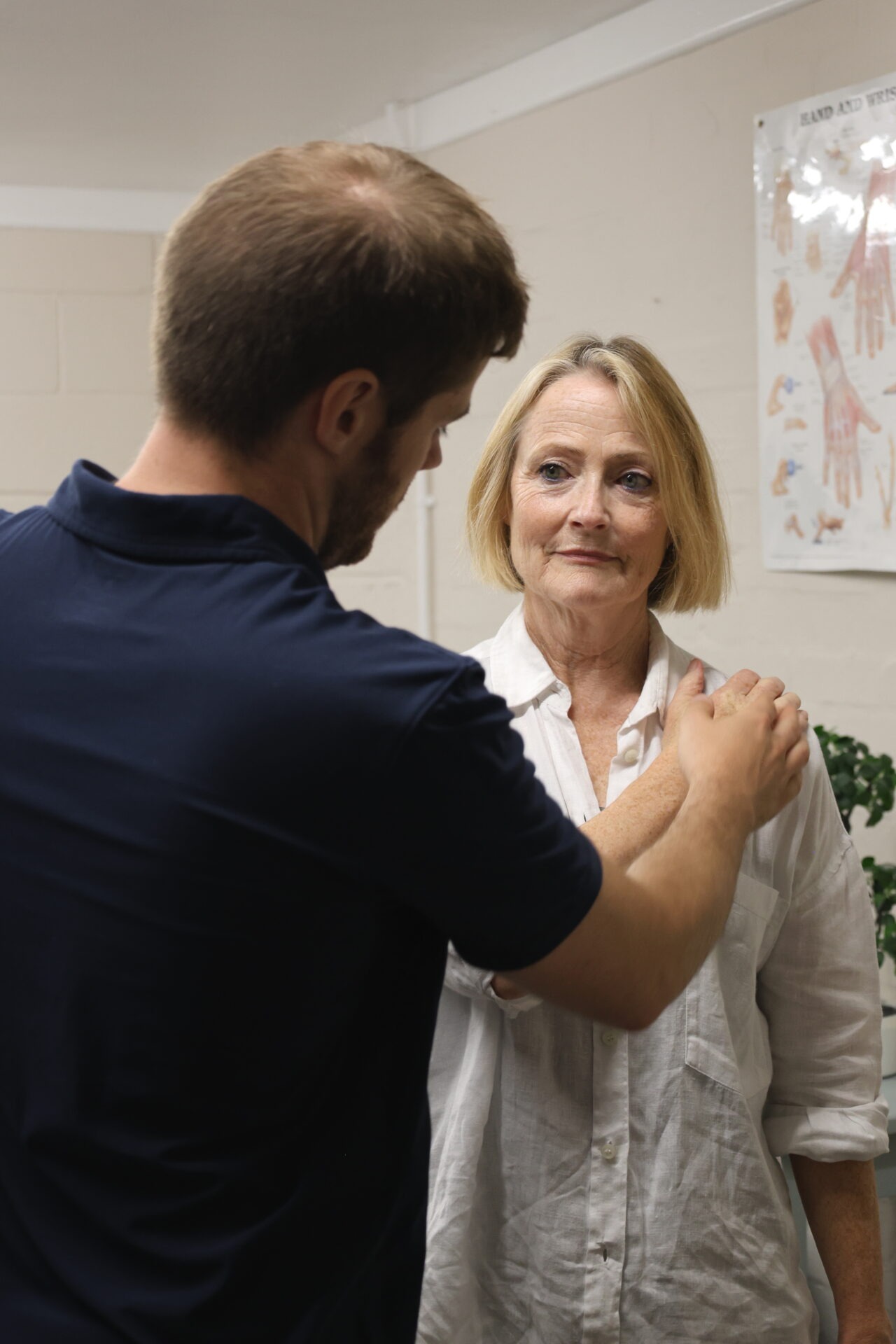
The most effective way to recover from golfer’s elbow is through a structured physiotherapy programme. While rest may calm things temporarily, it rarely solves the problem – and complete inactivity can make your elbow weaker and more sensitive.
Physiotherapy focuses on active recovery:
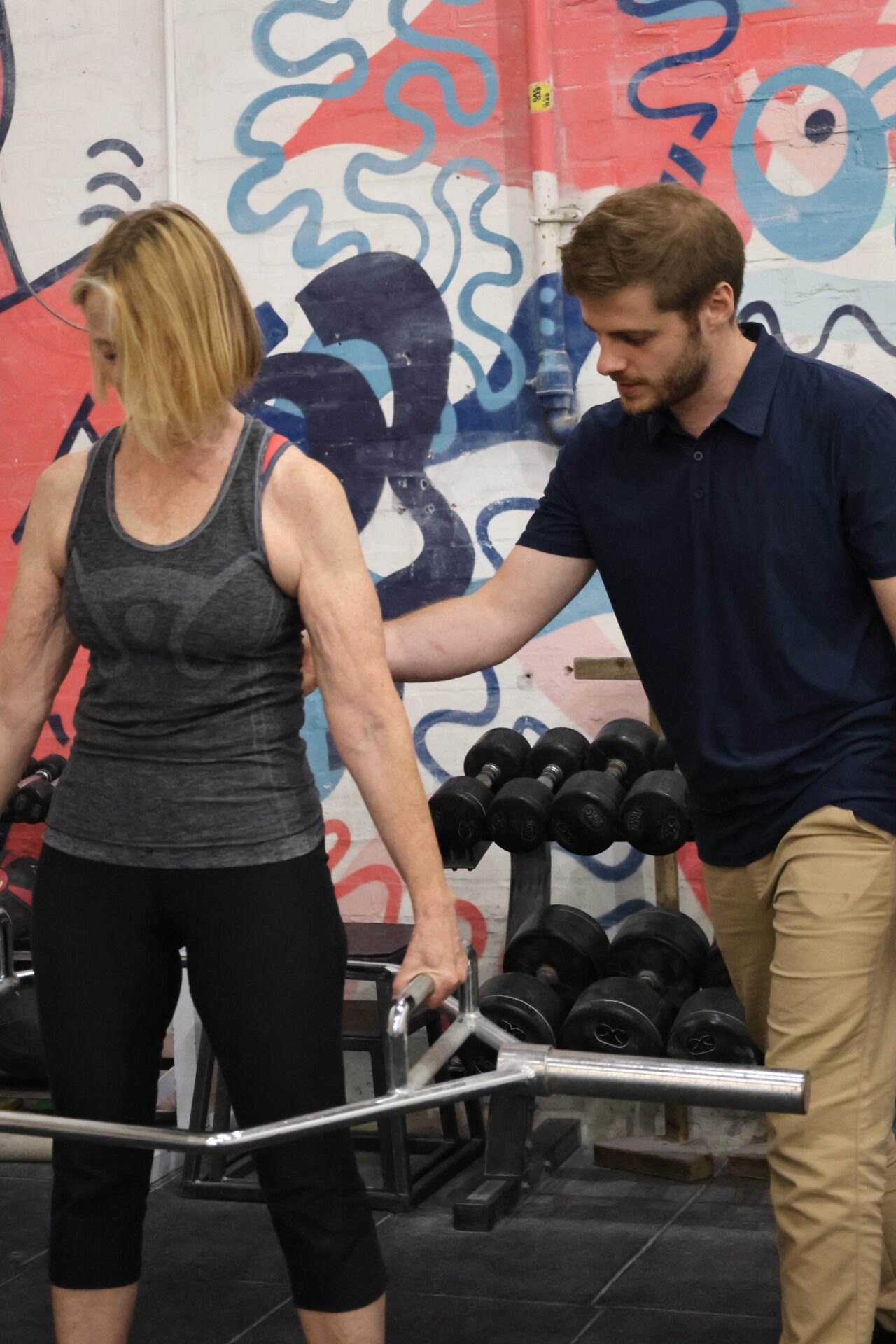
- Exercise therapy: Progressive loading for the forearm flexors (isometric → eccentric → concentric)
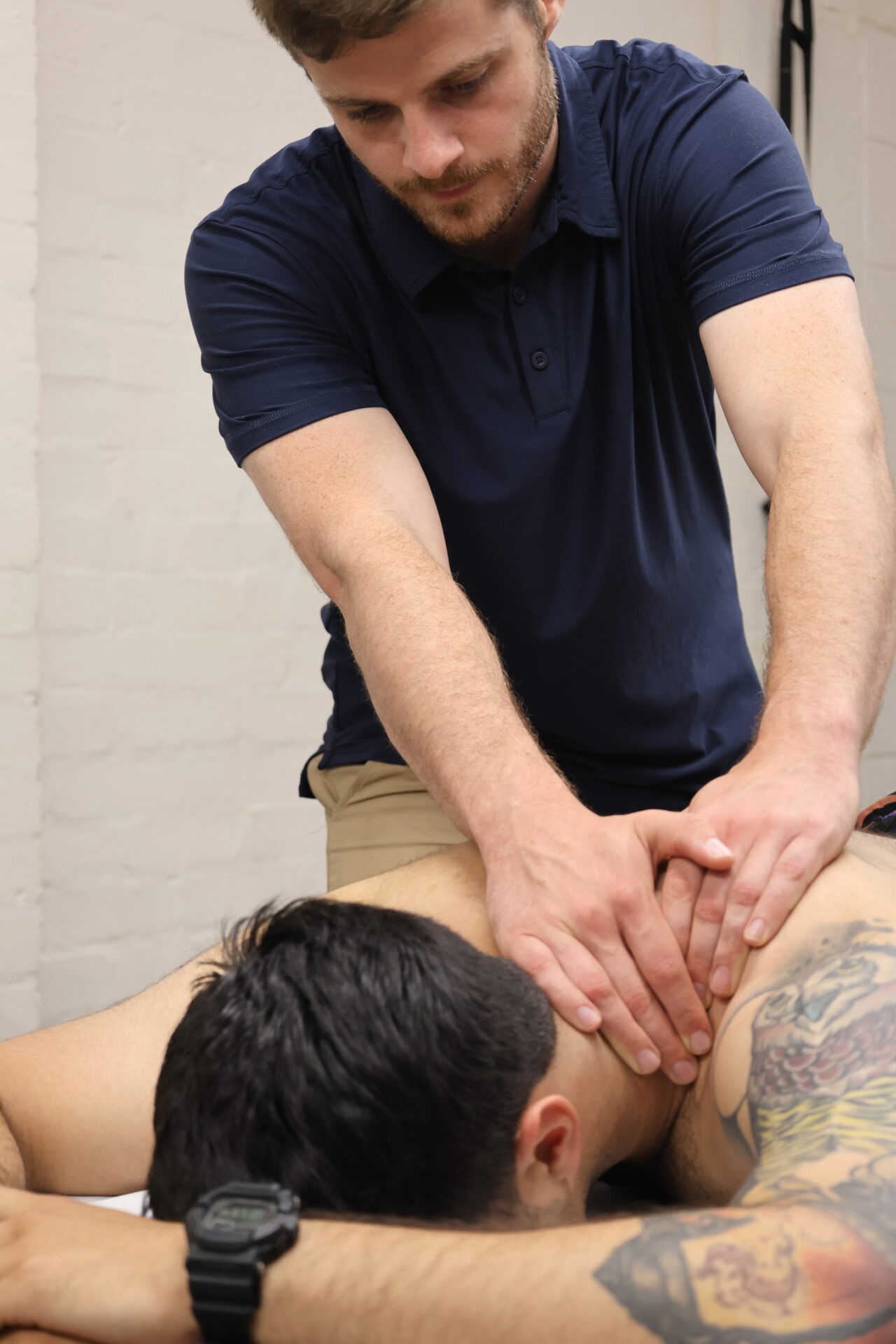
- Manual therapy and massage: Hands-on techniques for short-term relief, never as a cure
- Bracing, taping or supports: Helpful during return to activity, but temporary
- Education and load management: Clear guidance so you can keep moving safely while the tendon adapts
The Role of Exercise Therapy
We’ll guide you through a plan that might include:
- Isometric holds to settle pain
- Eccentric exercises to stimulate tendon adaptation
- Concentric strengthening for full muscle recovery
- Grip and functional drills to return confidently to golf, lifting or work tasks
Short-Term Pain Relief Options
- Massage or soft tissue therapy to ease stiffness
- Taping or bracing to reduce strain during activity
- Heat or ice - whichever feels better for you
What to Expect at Southampton Physio
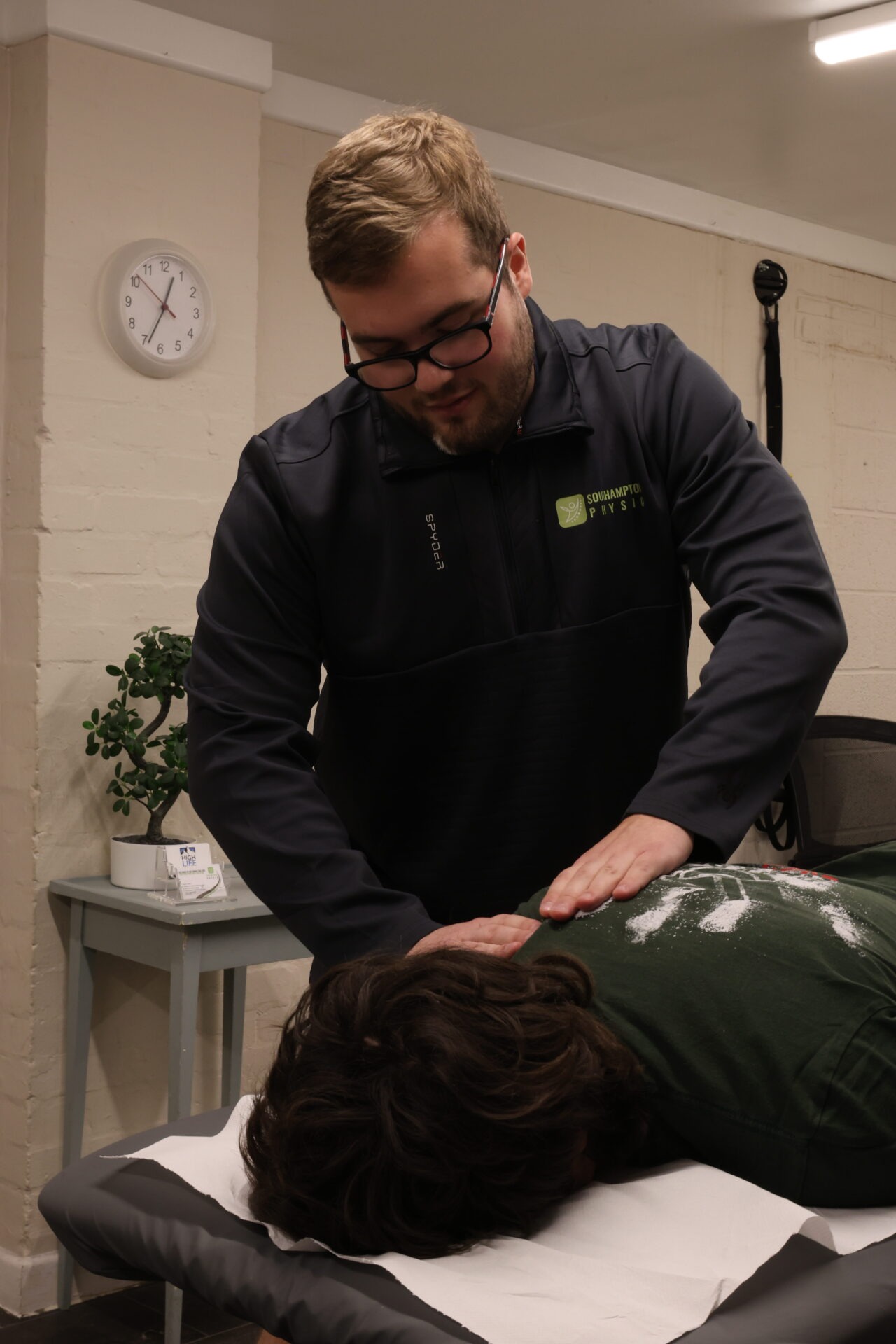
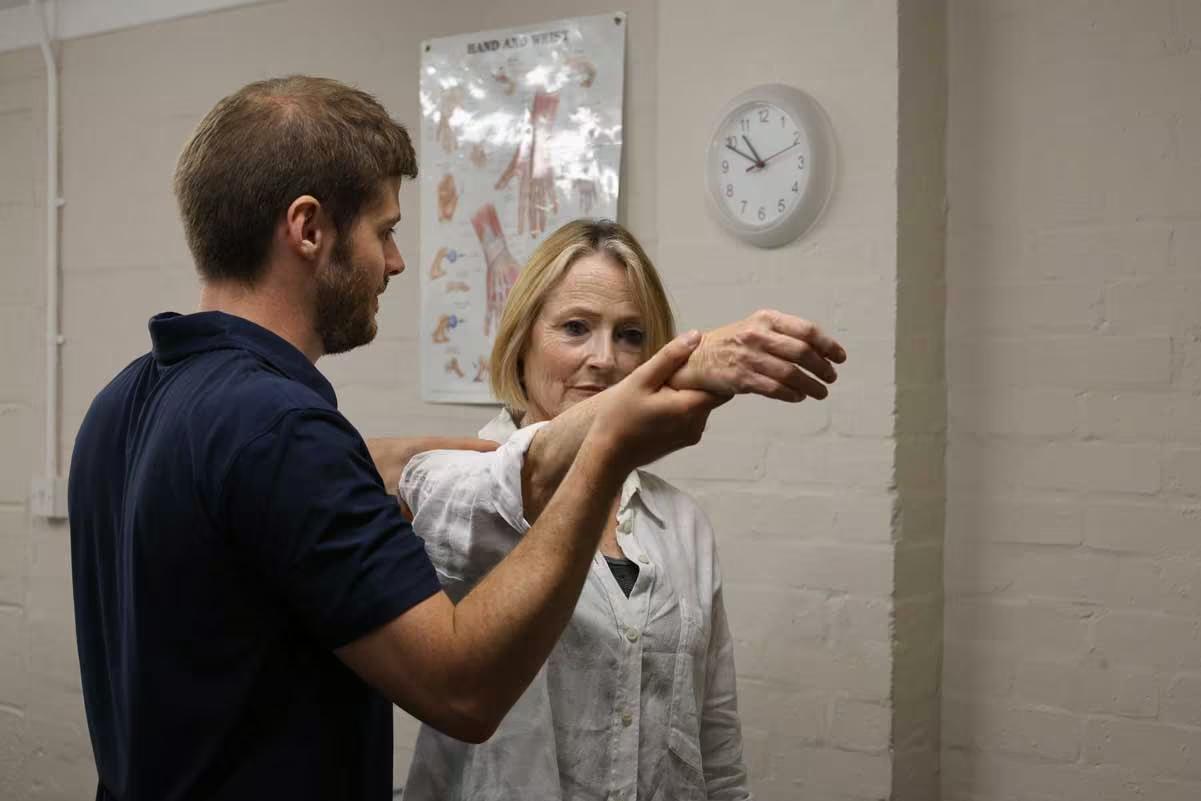
Your first session includes a comprehensive assessment of your symptoms, sport or work demands and previous treatments.
We’ll then create a plan blending:
- Relief: Hands-on therapy, taping, supports
- Rehab: Progressive exercise-based strengthening
- Education: What to modify, what’s safe and how to pace activity
Your Recovery Timeline
- Weeks 1–3: Pain settles; start safe loading
- Weeks 4–8: Strength and tolerance improve
- Weeks 9–12+: Return to sport, build grip and endurance
Chronic cases may take longer, but with consistency most people recover fully.
Frequently Asked Questions (FAQs)
Can golfer’s elbow heal on its own?
Mild cases may improve with rest, but rehab prevents recurrence.
Should I rest or exercise?
Gentle exercise is safe and essential.
Do I need surgery?
Rarely. Only if rehab fails after months.
Is massage good for golfer’s elbow?
Yes – but it’s short-term comfort, not a cure.
Can I keep playing sport?
Often yes, with modifications and guidance.
Success Stories and Testimonials
Booking
Book Your Appointment
Golfer’s elbow can be frustrating – but recovery is possible.
The sooner you start, the sooner you can get back to what you enjoy.
👉 Book your appointment today and start your recovery.
Disclaimer
This information is for education only and is not a substitute for personal medical advice.
Please consult a qualified professional for individual care.