
AC Joint Sprain / Separation Treatment – Southampton Physio
How long does it take for an AC joint separation to heal?
Most AC joint injuries heal in 6–12 weeks without surgery. Physiotherapy helps restore strength, stability and confidence in your shoulder.

Introduction
An acromioclavicular (AC) joint sprain or separation is one of the most common shoulder injuries, particularly in contact and overhead sports. The AC joint is where your collarbone meets the highest point of your shoulder blade. A hard fall, a rugby tackle or even slipping off a bike can place sudden force through this joint, leading to pain and swelling at the top of the shoulder.
The good news: most AC joint injuries heal well without surgery. With the right guidance, people usually return to daily activities and sport within a matter of weeks. At Southampton Physio, we focus on getting you moving again safely, reducing pain and building long-term resilience in your shoulder.
Causes and Risk Factors
The AC joint is a small but important structure that stabilises the shoulder when you lift, push or reach overhead. It’s particularly vulnerable to sudden impacts.
Common causes
- Falls onto the shoulder – slipping on ice, cycling crashes or falling off a horse
- Direct contact in sport – rugby, football, martial arts and wrestling
- Heavy lifts or awkward loads – less common but repetitive strain or accidents in the gym or at work can play a role
Injury grading
- Grades I–II: Ligaments stretched or partially torn
- Grade III: More obvious separation, sometimes with a visible “step” at the collarbone
- Grades IV–VI: Rare, usually considered for surgery
Risk factors
- Contact and overhead sports
- Young active adults
- Previous AC joint injury
Even though some separations leave a visible bump on the shoulder, this doesn’t always mean long-term dysfunction. With the right rehabilitation, many people return to their full level of activity including high-level sport.
Symptoms and Diagnosis
An AC joint sprain or separation usually feels very different from a simple muscle strain. People often report sharp pain right at the top of the shoulder, sometimes with a visible bump where the collarbone meets the shoulder blade.
Common symptoms
- Pain when lifting the arm overhead or across the body
- Swelling and tenderness directly on top of the shoulder
- A “step” or bump at the joint (more noticeable in higher-grade injuries)
- Weakness or discomfort when carrying bags or pushing up from a chair
- Difficulty lying on the injured side
How it’s diagnosed
Most AC joint injuries are diagnosed through history and examination:
- Your clinician will ask how the injury happened and what movements trigger pain
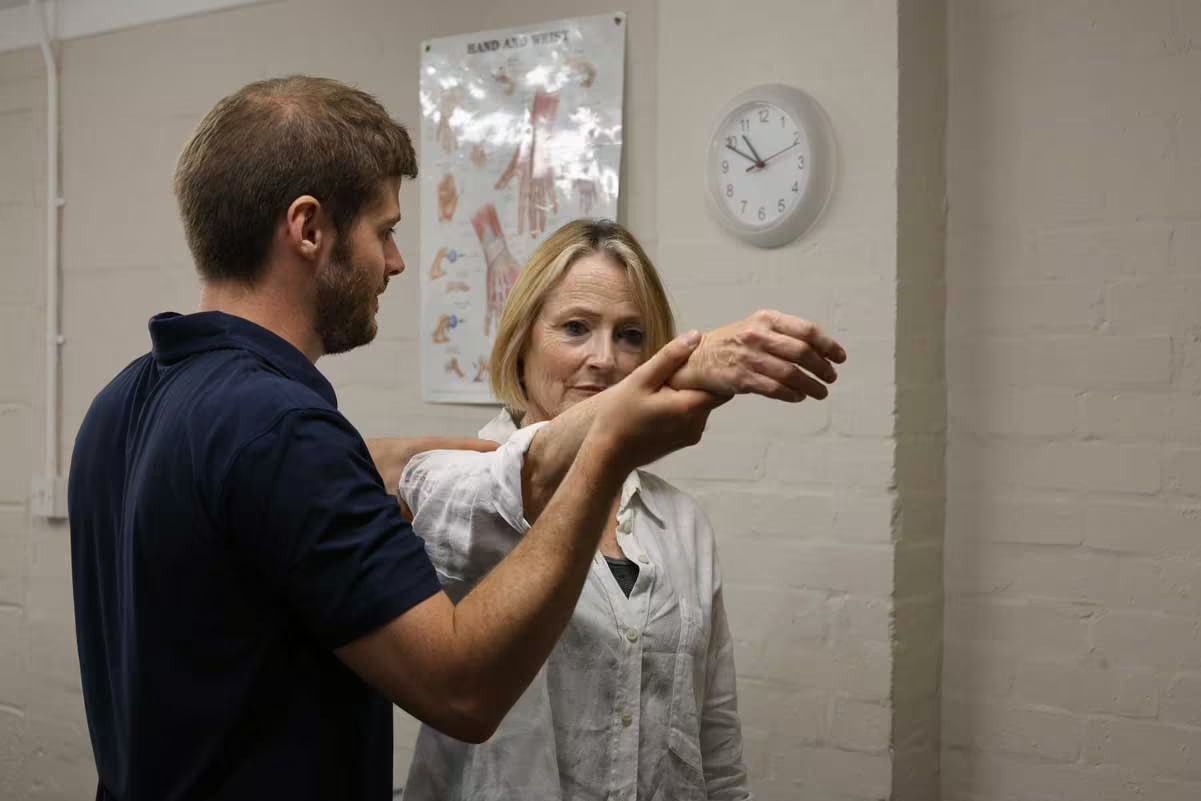
- Gentle movement and resistance tests help confirm involvement of the AC joint
- In most cases, an X-ray is not needed. Imaging may be used to rule out a fracture or to grade a more severe separation, particularly if surgery is being considered
At Southampton Physio, we also screen carefully for any red flags such as suspected fracture, nerve symptoms or severe deformity. If needed, we’ll refer you promptly for medical assessment.
Treatment Options
Most AC joint injuries heal well without surgery. The key is to balance early protection with progressive movement.
Short-term support
- Sling or taping in the first few days for comfort
- Ice or heat for pain relief
- Over-the-counter medication if advised by a GP or pharmacist
Active rehabilitation
- Restore range of motion with safe mobility drills
- Build strength in shoulder and scapula muscles
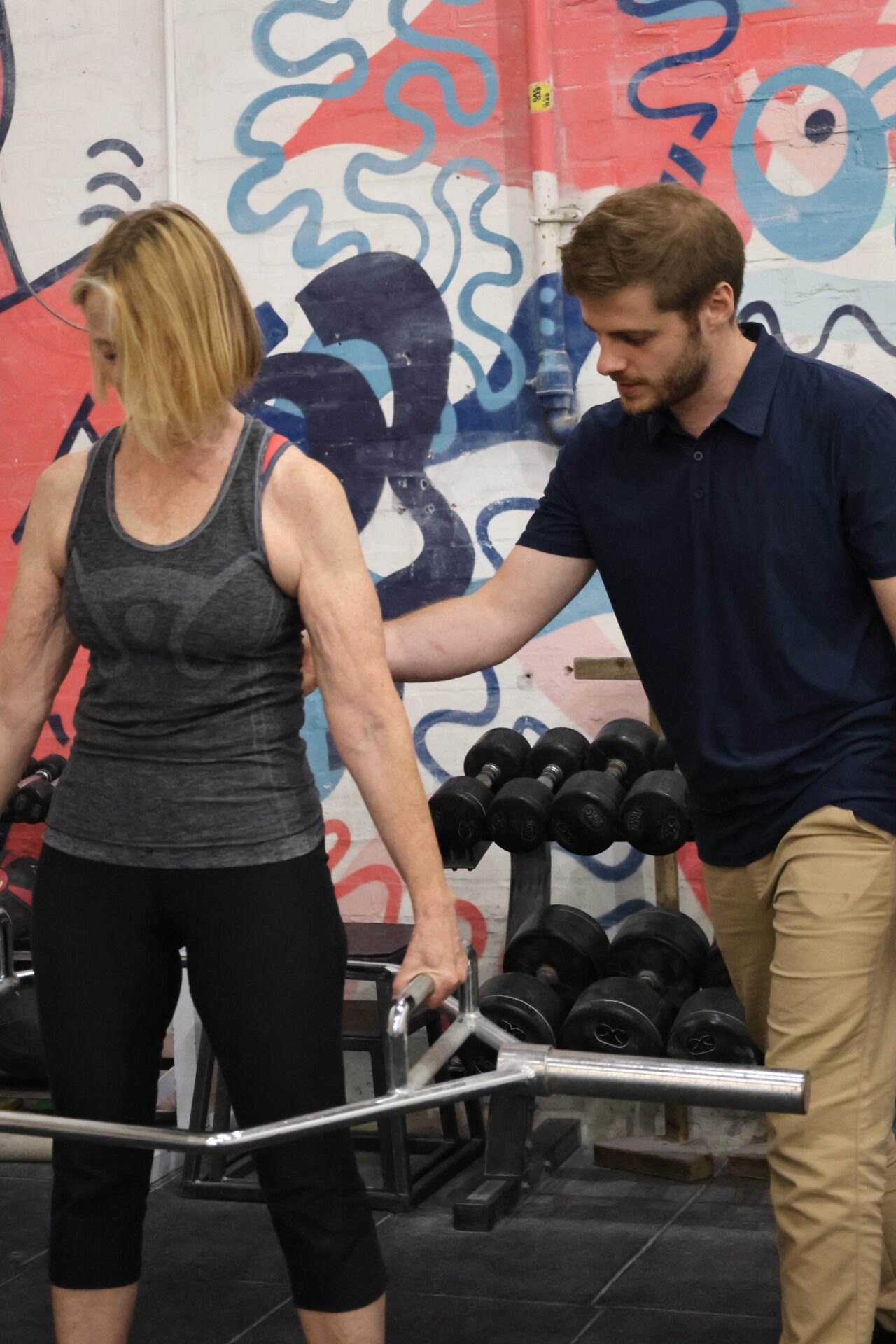
- Regain confidence in lifting, pushing and overhead tasks
Hands-on techniques
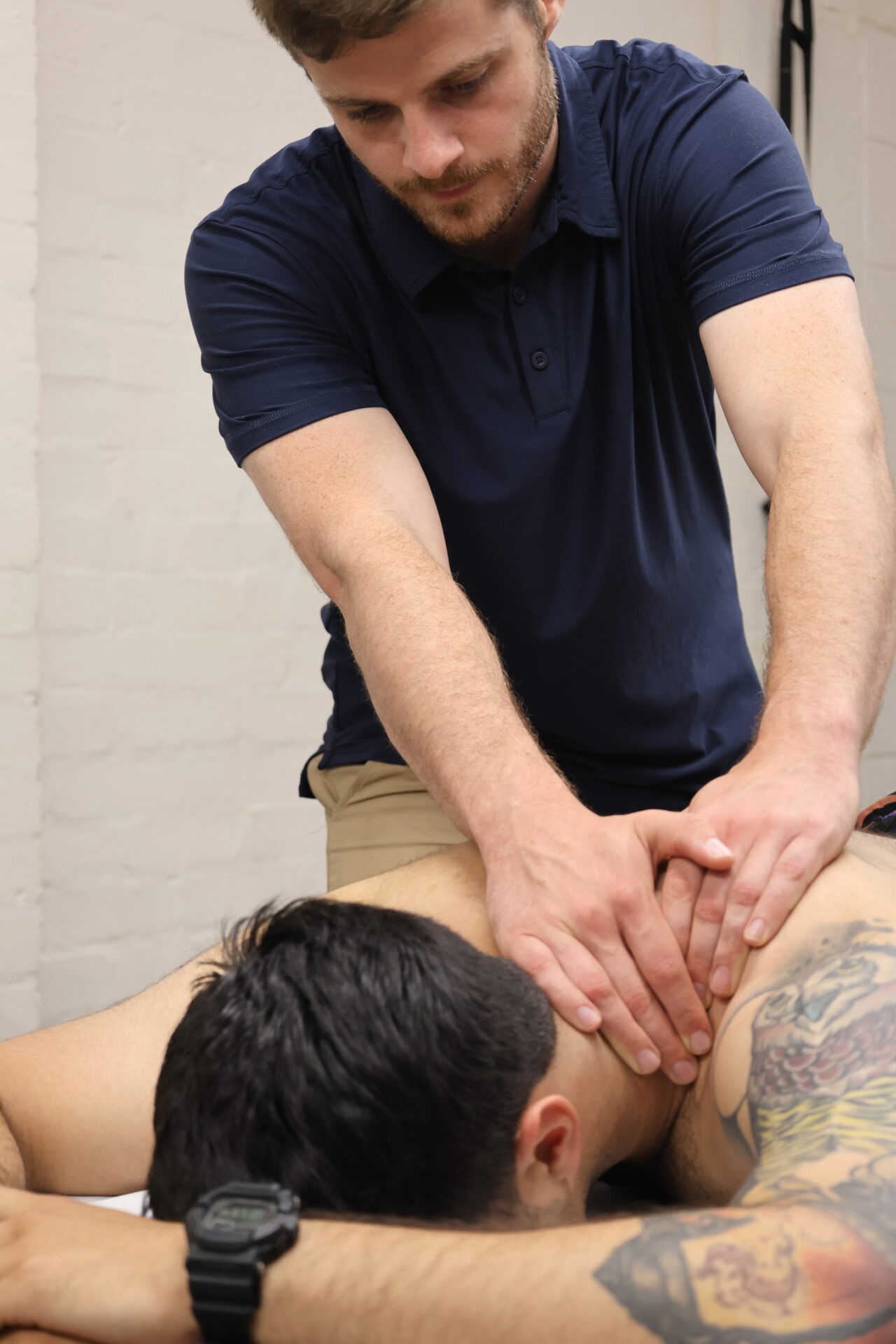
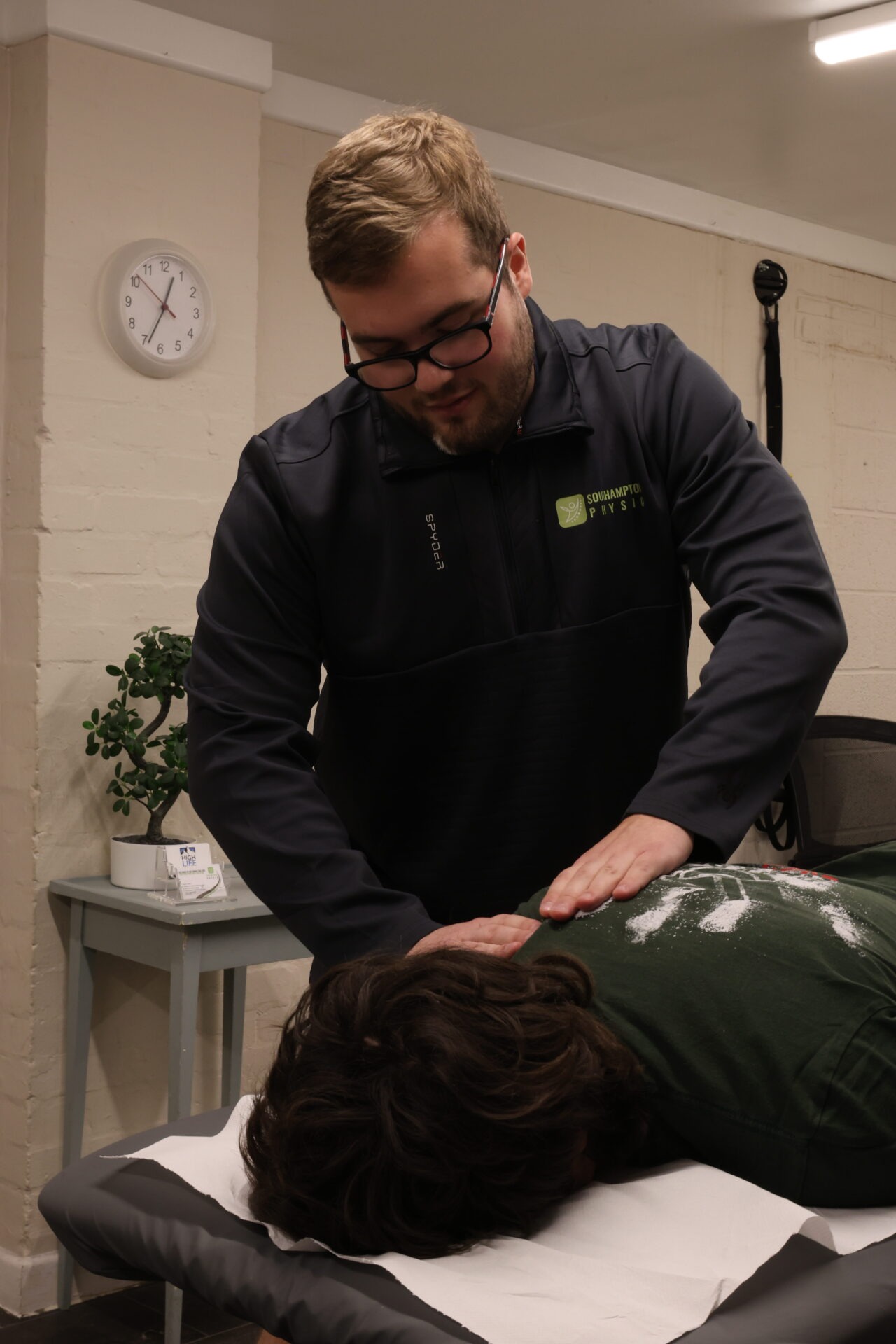
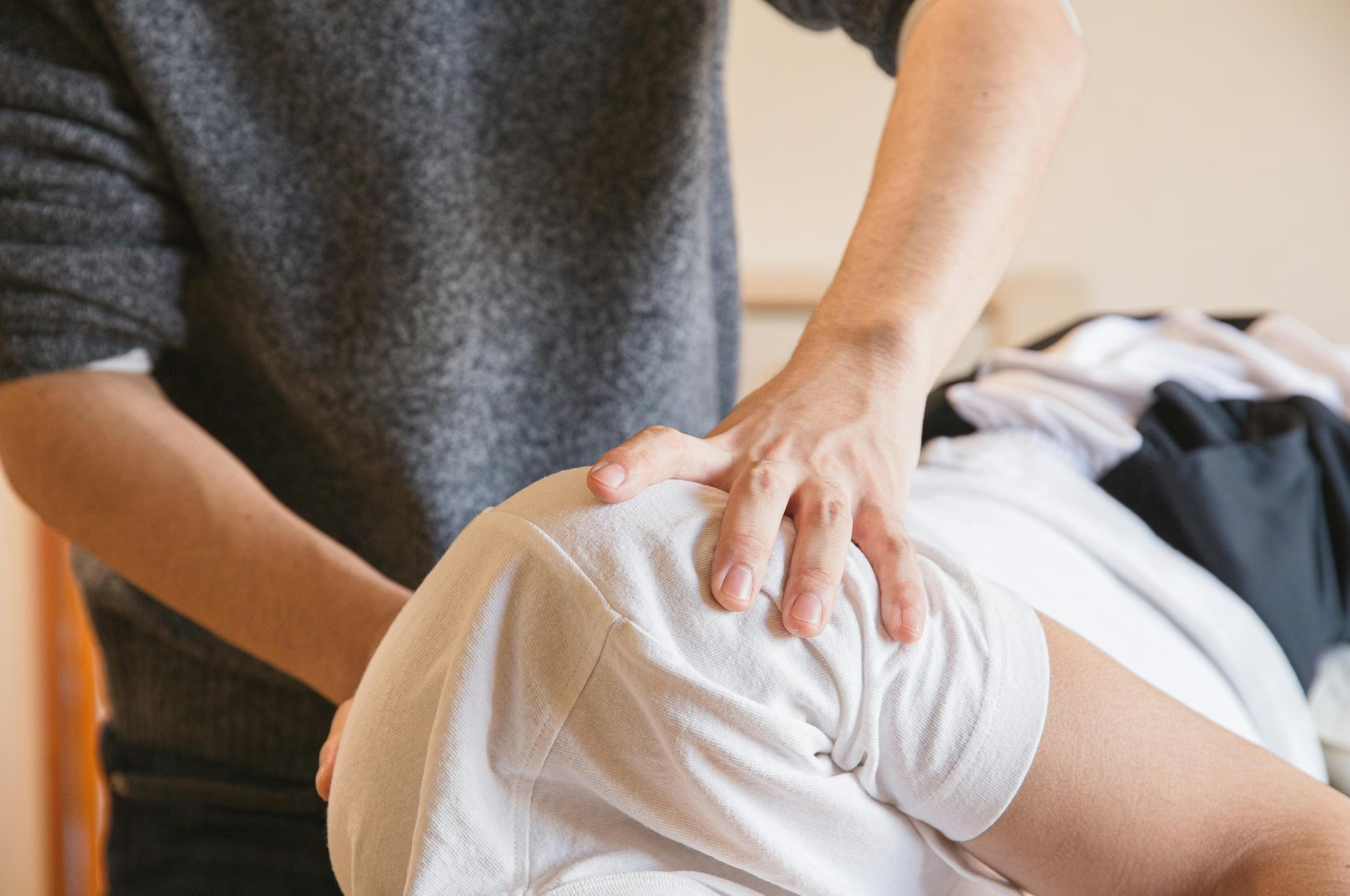
Manual therapy, massage or joint mobilisation can help ease discomfort and support movement, but they are never the main solution.
When is surgery needed?
Reserved for higher-grade injuries (Grades IV–VI) or persistent pain/instability despite good rehab. Decisions are always shared between patient and surgeon.
Recovery Timeline
- Grades I–II: Back to daily activities in 2–4 weeks; full recovery in 6–8 weeks
- Grade III: Often 8–12 weeks; visible bump may remain but rarely affects function
- Grades IV–VI: Less common, may need surgery; recovery depends on pathway chosen
Even when the bump remains, it rarely affects long-term performance. What matters most is restoring strength and confidence.
Role of Physiotherapy
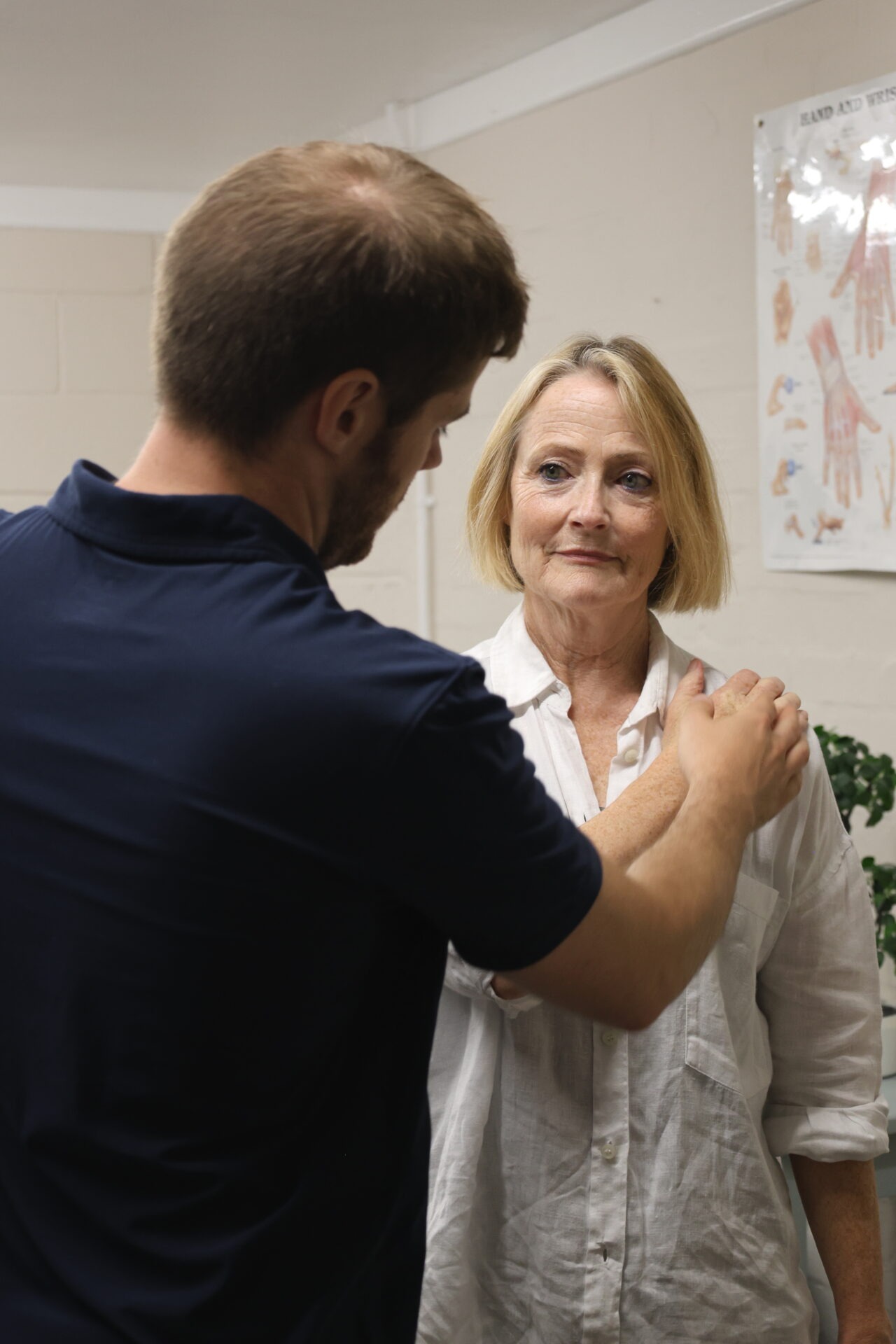
Physiotherapy is at the heart of recovery. At Southampton Physio, treatment includes:
- Pain management – taping, manual therapy and movement strategies
- Restoring movement – progressive mobility drills
- Strength rebuilding – targeted exercises for rotator cuff and scapula stabilisers
- Return-to-sport progression – gradual steps back to lifting, training and competition
Because our clinicians are also fitness professionals, we integrate gym-based conditioning so you leave stronger than before the injury.
Prevention and Long-Term Strength
- Strength training: Build balanced muscle across chest, back and shoulders
- Movement variety: Mix pushing, pulling and overhead exercises
- Progressive loading: Increase weights gradually
- Sport-specific drills: Contact practice, landing skills or cycling control drills
We also address confidence. Fear of re-injury is common; our approach helps you rebuild both physical and mental resilience.
Frequently Asked Questions (FAQs)
Do all AC joint injuries need surgery?
No. Most heal with physiotherapy.
Can you still lift weights with an AC joint injury?
Yes, gradually. Start light and progress with guidance.
Is taping helpful?
Yes, for short-term support. Not a replacement for rehab.
How can I sleep comfortably?
Back or uninjured side, with a pillow under the arm.
Will the bump go away?
Not always, but function is usually normal.
Do injections work?
Sometimes for chronic pain, rarely needed for sprains.
Booking
Call to Action
At Southampton Physio, we’ve helped many athletes and active people recover from AC joint sprains and separations. Whether you’ve just injured your shoulder or you’re still struggling months later, our team can guide you through every stage of recovery.
👉 Book your appointment now
Disclaimer
This information is for education only and is not a substitute for personal medical advice. If you suspect a serious injury or your symptoms are worsening, please consult a qualified healthcare professional.