
Hip, Knee, Ankle & Foot Pain Treatment in Southampton
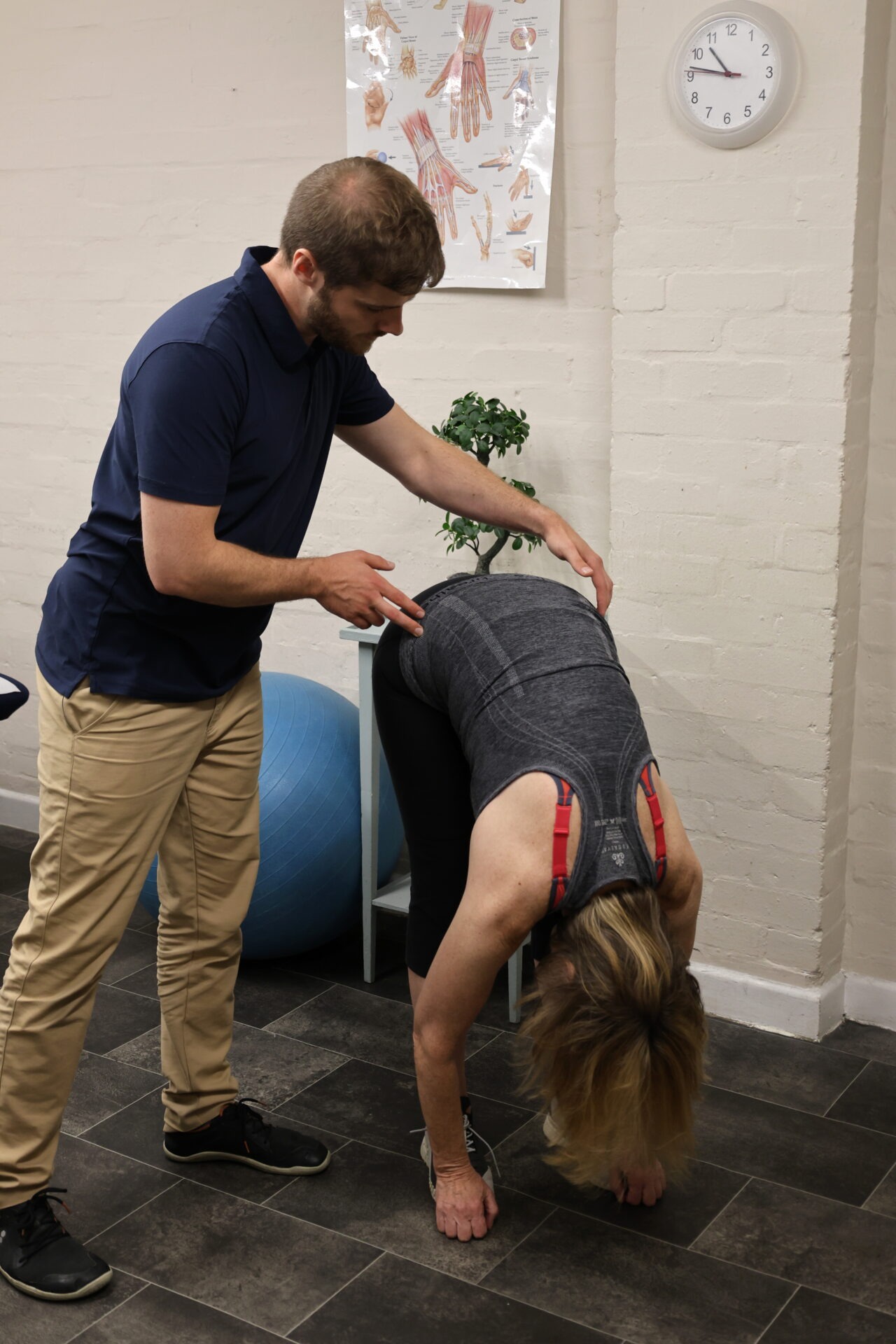
Hip, Knee, Ankle and Foot Pain Treatment in Southampton
From morning stiffness in your heel to knee pain on the stairs, lower-limb issues can make every step a challenge.
You’ve probably tried rest, stretching, maybe even new shoes – but it hasn’t gone away. Maybe it’s flared up again, or maybe it never really settled in the first place.
Whether you’ve got arthritis, an old injury or something that started out of the blue – we’re here to help. At Southampton Physio, we treat the full lower limb, from hip to heel. And we don’t just treat pain – we help you rebuild strength and confidence so you can move forward, literally.
Conditions We Treat
This page covers the full lower-limb region – hip, knee, ankle and foot. If it hurts, clicks, locks or limits you – we treat it.
Hip
- Hip Impingement (FAI)
- Labral Tear Rehab
- Hip Osteoarthritis
- GTPS / Lateral Hip Pain
- Groin Strain and Adductor Pain
Knee
- Knee Osteoarthritis
- ACL Rehab
- Meniscus Tear
- Runner’s Knee (PFPS)
- Patellar Tendinopathy (Jumper’s Knee)
- IT Band Syndrome
Ankle and Foot
- Ankle Sprain and Instability
- Achilles Tendinopathy
- Plantar Fasciitis
- Shin Splints (MTSS)
- Stress Fractures
- Morton’s Neuroma
Even if you don’t know the name for your pain, we’ll help you figure it out.
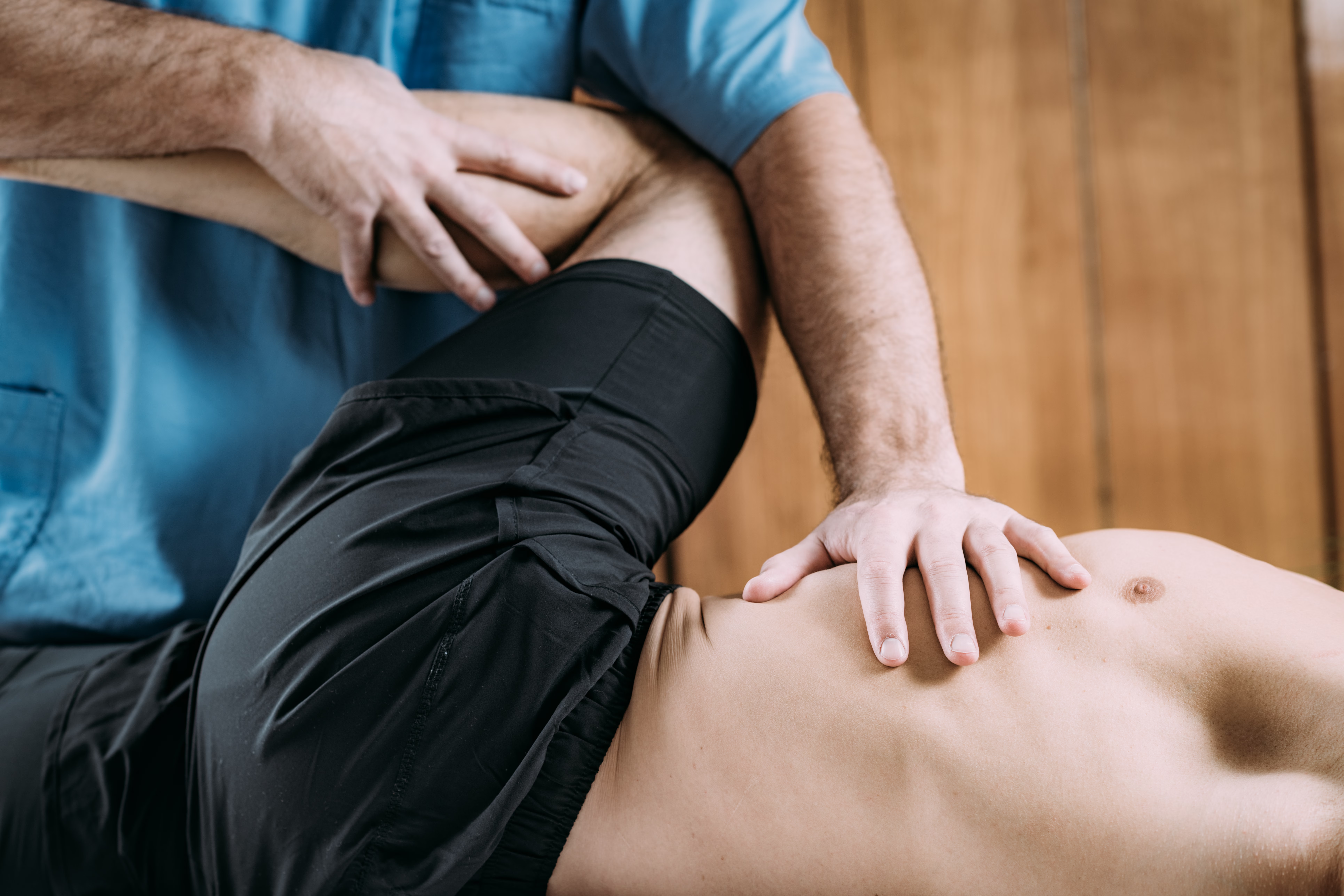
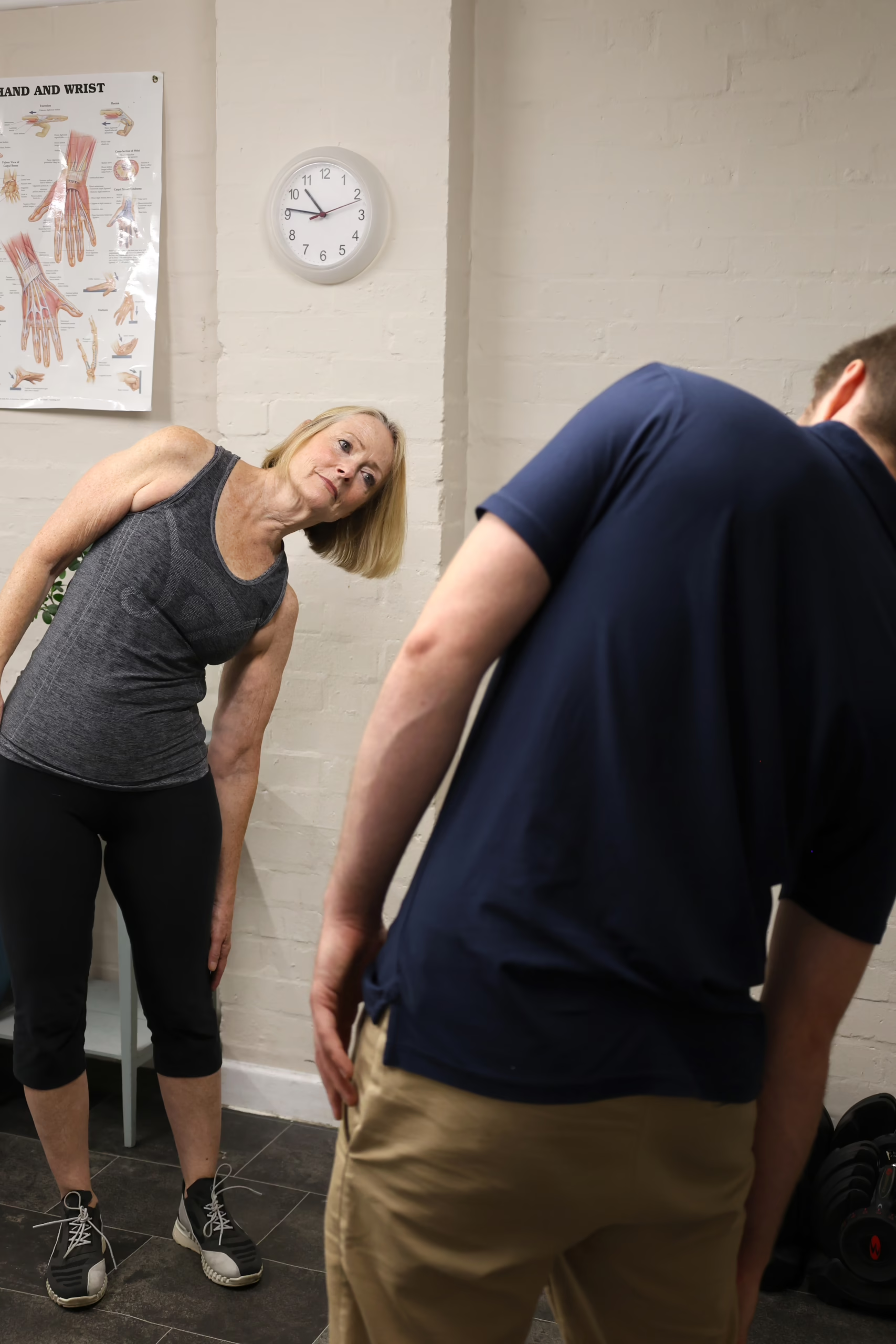
Does This Sound Familiar?
We regularly help people who are dealing with:
- Sharp knee pain when squatting, climbing stairs or running
- Morning heel pain when getting out of bed (plantar fasciitis)
- Stiffness and aching in the hip or groin after sitting
- Pain in the outside of the thigh or IT band during a run
- Swollen, stiff ankles after a recent sprain
- Limping or hesitating due to pain, weakness or instability
- Trouble walking any distance without discomfort
- Fear of flare-ups, falls or losing independence
You might be training for a race, recovering from surgery or simply trying to stay active into your 60s and beyond. Whatever your situation – we’ll meet you where you’re at.
Why Isn’t It Getting Better?
It’s easy to assume joint or tendon pain means damage. But most of the time, that’s not true.
- Tendon pain is often due to overload - not a tear
- Joint pain is about strength and tolerance - not “wear and tear”
- Plantar fasciitis, runner’s knee and hip impingement usually improve with the right type of movement
- Arthritis doesn’t mean your joint is “bone-on-bone” - it means it needs support and smart loading
Your body isn’t falling apart. It’s just asking for a new plan.
How Physiotherapy Helps
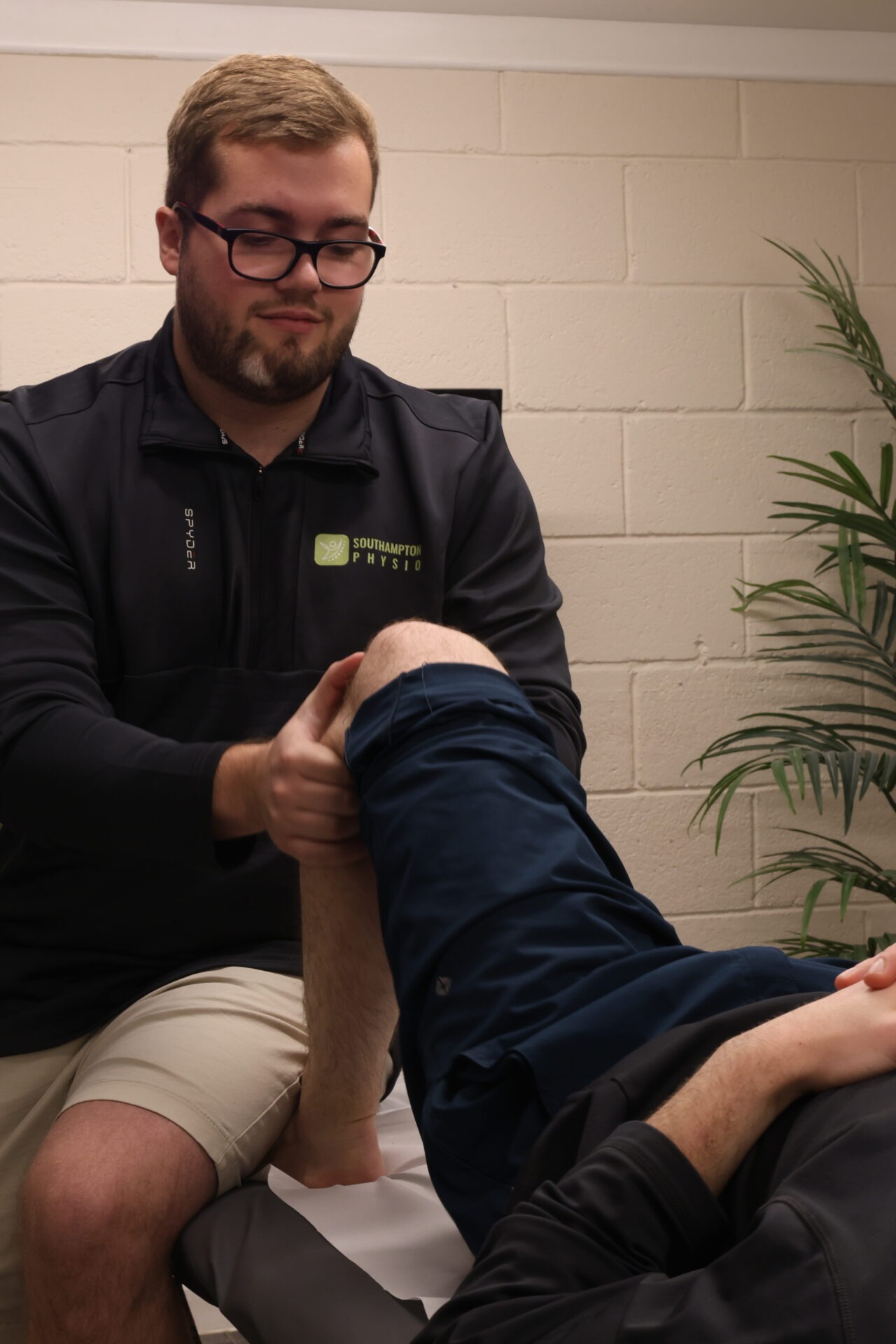
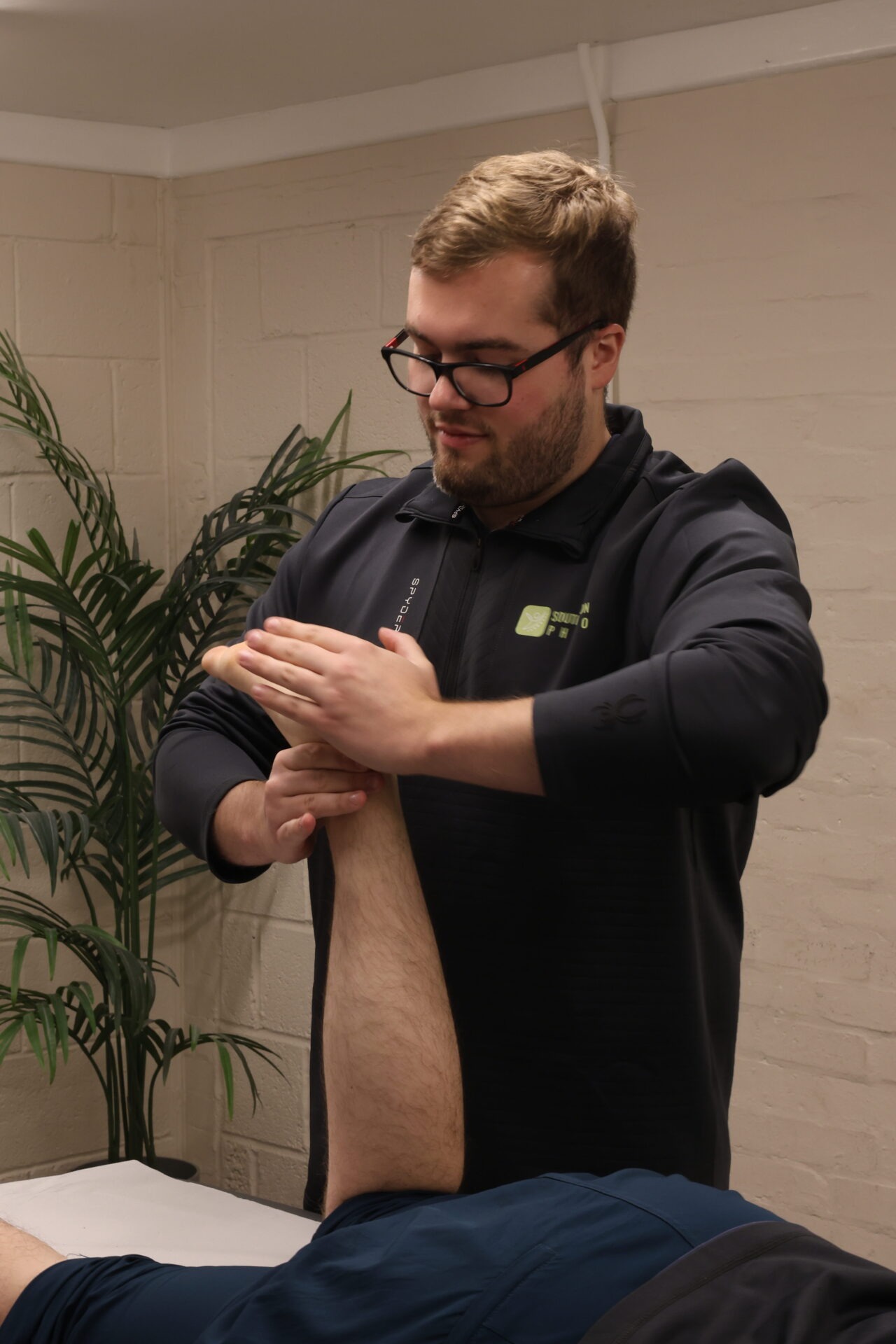
We don’t just treat symptoms – we treat the system. Our approach is grounded in science, shaped by your goals and adjusted every step of the way.
Reset: Calm the problem
- Reduce pain and inflammation
- Improve joint mobility and reduce stiffness
- Use manual therapy, movement strategies and education
- Address footwear, pacing, activity load
Rebuild: Strengthen the system
- Restore hip, knee, ankle or foot strength
- Retrain gait or running mechanics
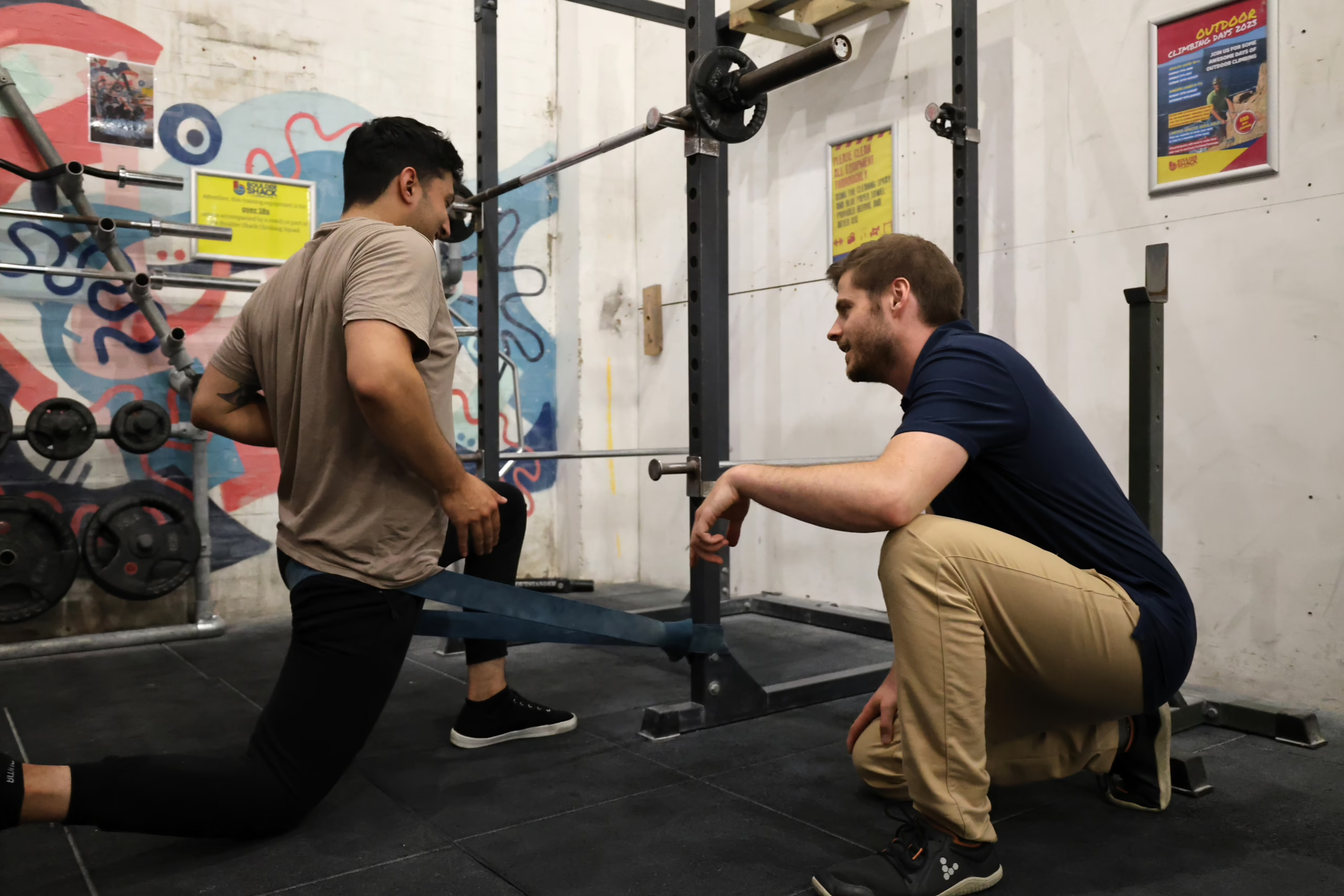
- Use progressive loading to improve tendon and joint capacity
- Build confidence, coordination and resilience
Sustain: Stay strong for life (if needed)
- Long-term support for arthritis, balance or chronic injuries
- Return-to-running planning, sport-specific rehab
- Gym-based progression, falls prevention or performance coaching
You don’t need to do this alone. We’ll coach you every step of the way.
What to Expect at Your Appointment
Whether it’s a new issue or something that’s been bothering you for years, we start by listening. No rushing. No guesswork.
Your first session includes:
- A full one-to-one assessment
- Functional tests based on how you move
- A clear explanation in plain English
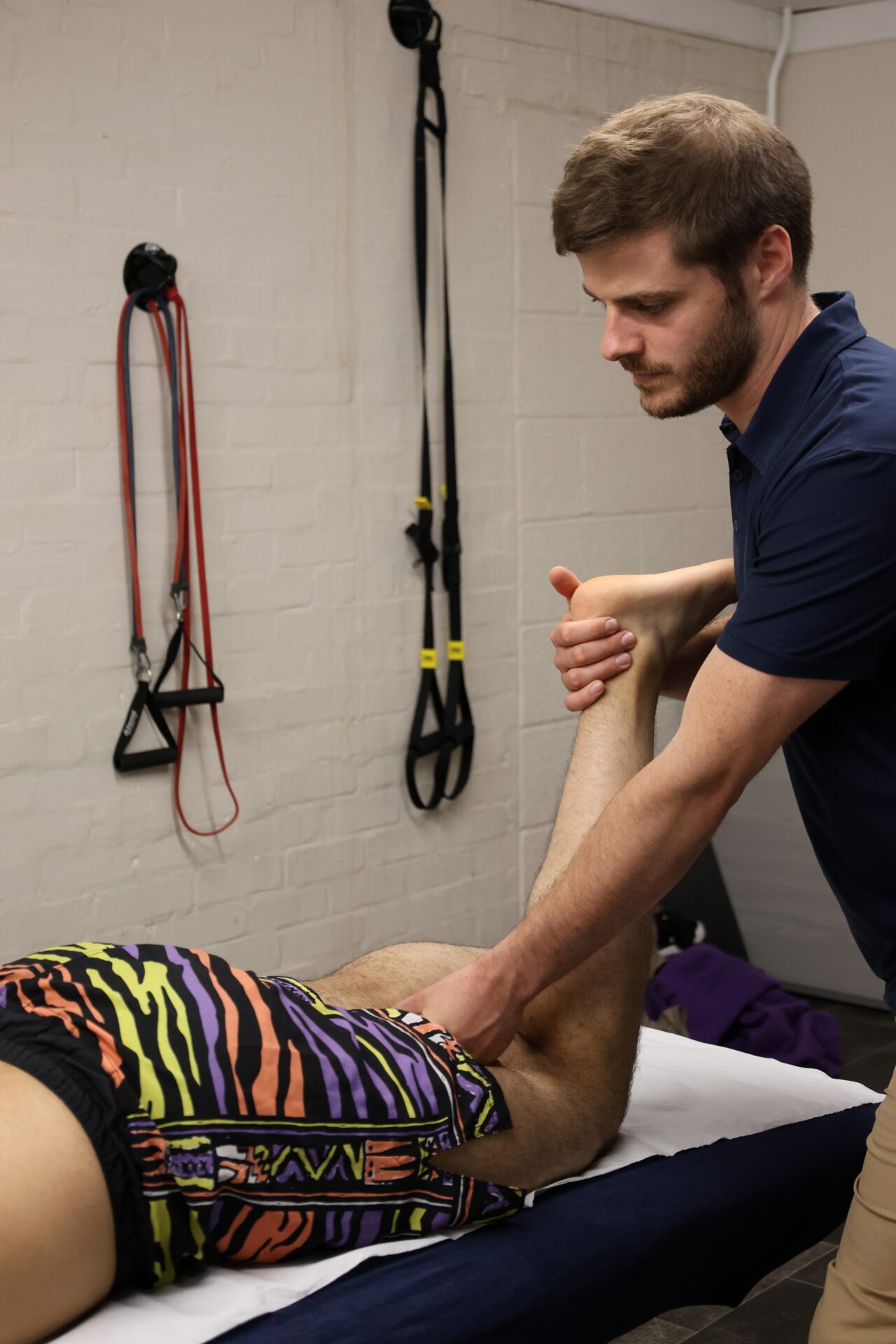
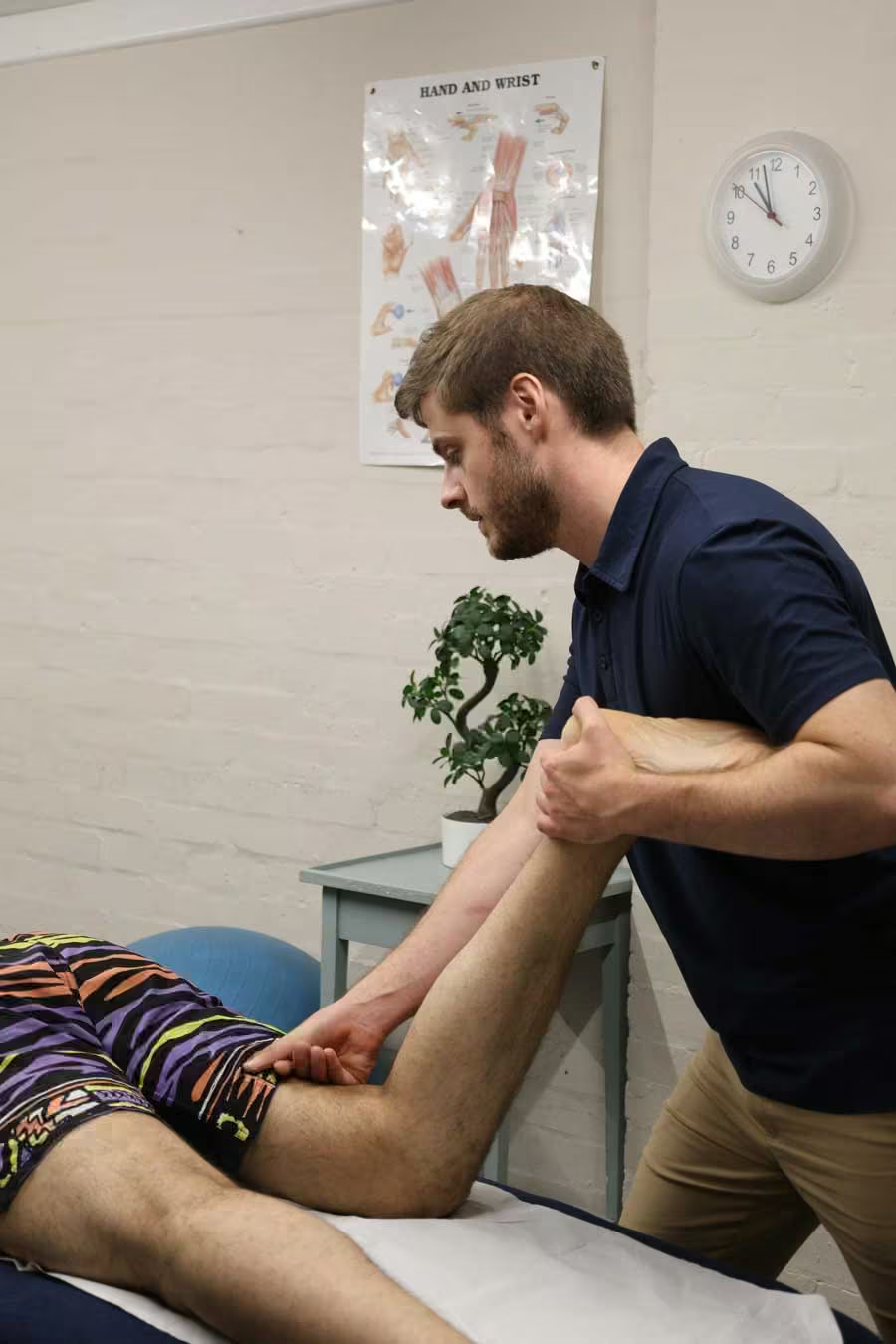
- Hands-on treatment (if needed)
- Movement guidance you can trust
- A plan that works with your life - not against it
And if we think you need onward referral (e.g. imaging or surgery), we’ll be honest about that too.
Frequently Asked Questions (FAQs)
Can physio help with knee arthritis?
Absolutely. Strength training is one of the most effective ways to reduce pain and delay or avoid surgery. We’ll tailor your plan to what your knee can tolerate and improve over time.
Should I rest or move with plantar fasciitis?
Resting completely often leads to stiffness and recurrence. We’ll help you adjust your activity and gradually reintroduce movement safely.
Do I need a scan for hip pain?
Not usually. Scans rarely change the treatment plan. We’ll assess thoroughly and only recommend imaging if we spot something concerning.
How long does an ankle sprain take to heal?
Most mild sprains improve within 2–4 weeks. More severe ones may need targeted rehab over 6–12 weeks to avoid re-injury and regain full stability.
Can physio help with IT band pain?
Yes. ITB syndrome is usually a load management issue – running form, strength and training habits all play a role. Foam rolling alone won’t fix it.
Who We Help
This hub is for you if:
- You’re a runner, cyclist or gym-goer frustrated by knee, hip or foot pain
- You’re recovering from a recent fall or injury (ACL, sprain, meniscus)
- You’re noticing increased stiffness with age and want to stay active
- You’ve had a diagnosis (arthritis, tear, impingement) but no clear plan
- You’ve tried stretching or insoles - and they didn’t solve the issue
- You just want to move again without thinking about your body every step
We help people from all over Southampton, Eastleigh, Hedge End, Chandlers Ford and Bishop’s Waltham.
Booking
Ready to Get Moving Again?
Lower-limb pain can chip away at your confidence. But it doesn’t have to.
With the right plan, your hips, knees, ankles and feet can move better, feel stronger and support you through life’s next steps.