
Coccyx Pain Relief Southampton | Tailbone Treatment

What is the best treatment for coccyx (tailbone) pain?
Most coccyx pain improves with simple steps: cushions, posture changes, and physiotherapy for lasting relief.
Understanding coccyx pain
Tailbone pain, also called coccyx pain or coccydynia, can make even the simplest things uncomfortable: sitting at your desk, driving, or feeding your baby. It’s a small bone at the base of your spine, but when irritated it can cause sharp or aching pain that gets in the way of daily life. For pain higher up, see our back pain treatment page.
The good news is that most coccyx pain is not serious and often improves within a few weeks to months. At Southampton Physio, we specialise in helping people find both short-term relief and long-term solutions. Our team blends hands-on treatment with tailored exercise and advice, so you can move more comfortably and regain confidence.

Causes of coccyx pain
Coccyx pain has several possible triggers, and understanding them is the first step to recovery:
- Falls or trauma: A direct knock from a fall or accident is one of the most common causes. The coccyx can become bruised, strained, or in rare cases fractured.
- Postnatal changes: Many women experience tailbone pain during or after pregnancy, especially following a vaginal birth. Hormonal changes, altered posture, and pressure during delivery can all play a part.
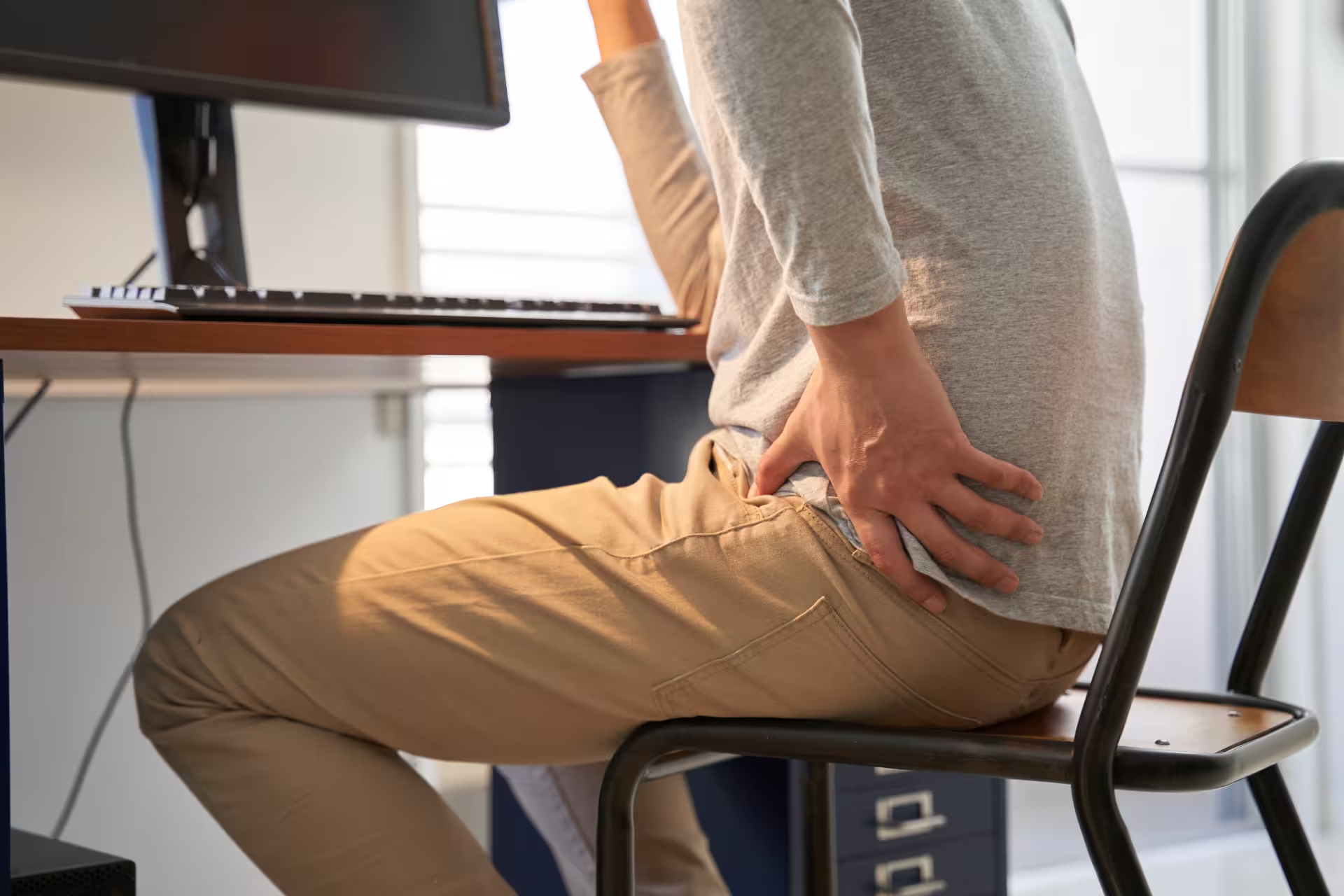
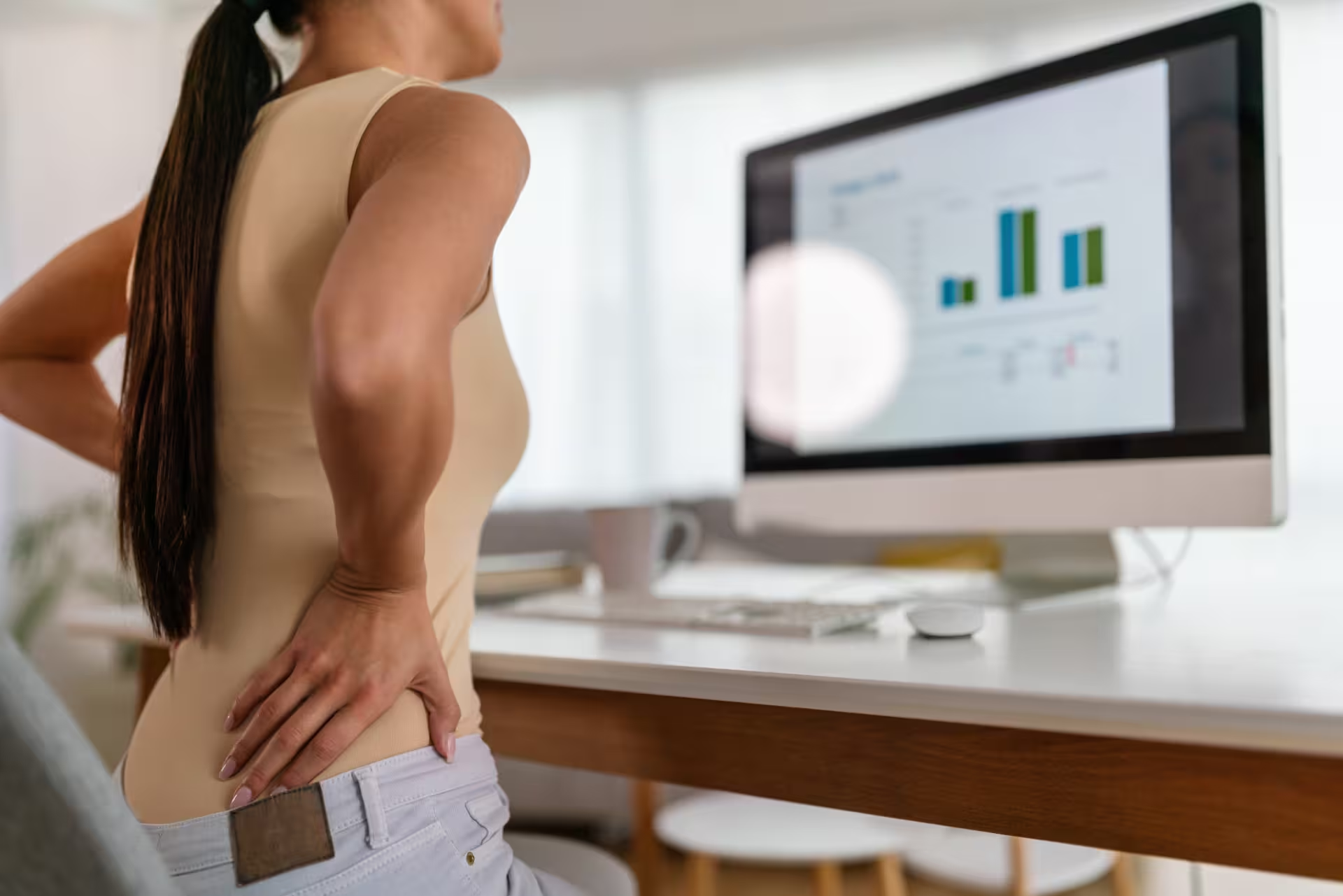
- Prolonged sitting: Long hours at a desk, in a car, or on hard surfaces can irritate the coccyx, particularly if posture is fixed or slouched.
- Degenerative changes: As with other joints, age-related changes can contribute to coccyx stiffness or pain.
- Unexplained (idiopathic): Sometimes no clear injury is found. In these cases, factors like muscle tension, pelvic floor issues, or sensitised nerves may be involved.
Whatever the cause, the key point is that coccyx pain is rarely a sign of something dangerous. Identifying patterns — when it hurts most, what eases it — helps shape the right treatment plan.
Some people also have nearby facet joint pain.

Symptoms and when to seek help
Coccyx pain is usually felt as aching or sharp pain at the very base of the spine, often worse when:
- Sitting, especially on hard chairs.
- Moving from sitting to standing.
- Leaning back against a chair.
- During prolonged driving or cycling.
Other common signs include:
- Local tenderness at the tailbone.
- Discomfort when lying flat on the back.
- Pain during bowel movements or, for some women, during intercourse.
Most symptoms ease with simple strategies like using a cushion, varying posture, and starting gentle movement. However, there are times when it’s important to seek professional advice quickly. These red flags include:
- Severe or worsening pain after a fall.
- Numbness, tingling, or weakness in the legs.
- Problems controlling your bladder or bowels.
- Fever, night sweats, or unexplained weight loss.
- A history of cancer with new back or tailbone pain.
If any of these apply, urgent medical assessment is recommended to rule out fracture, infection, or other serious causes. For most people, though, coccyx pain is a benign but frustrating condition that responds well to physiotherapy and self-care.
How physiotherapy helps recovery
Physiotherapy offers more than just short-term relief. At Southampton Physio, our approach combines hands-on techniques with tailored exercise and advice to help you recover fully.
Here are some of the ways we support people with coccyx pain:
-
Manual therapy for short-term relief
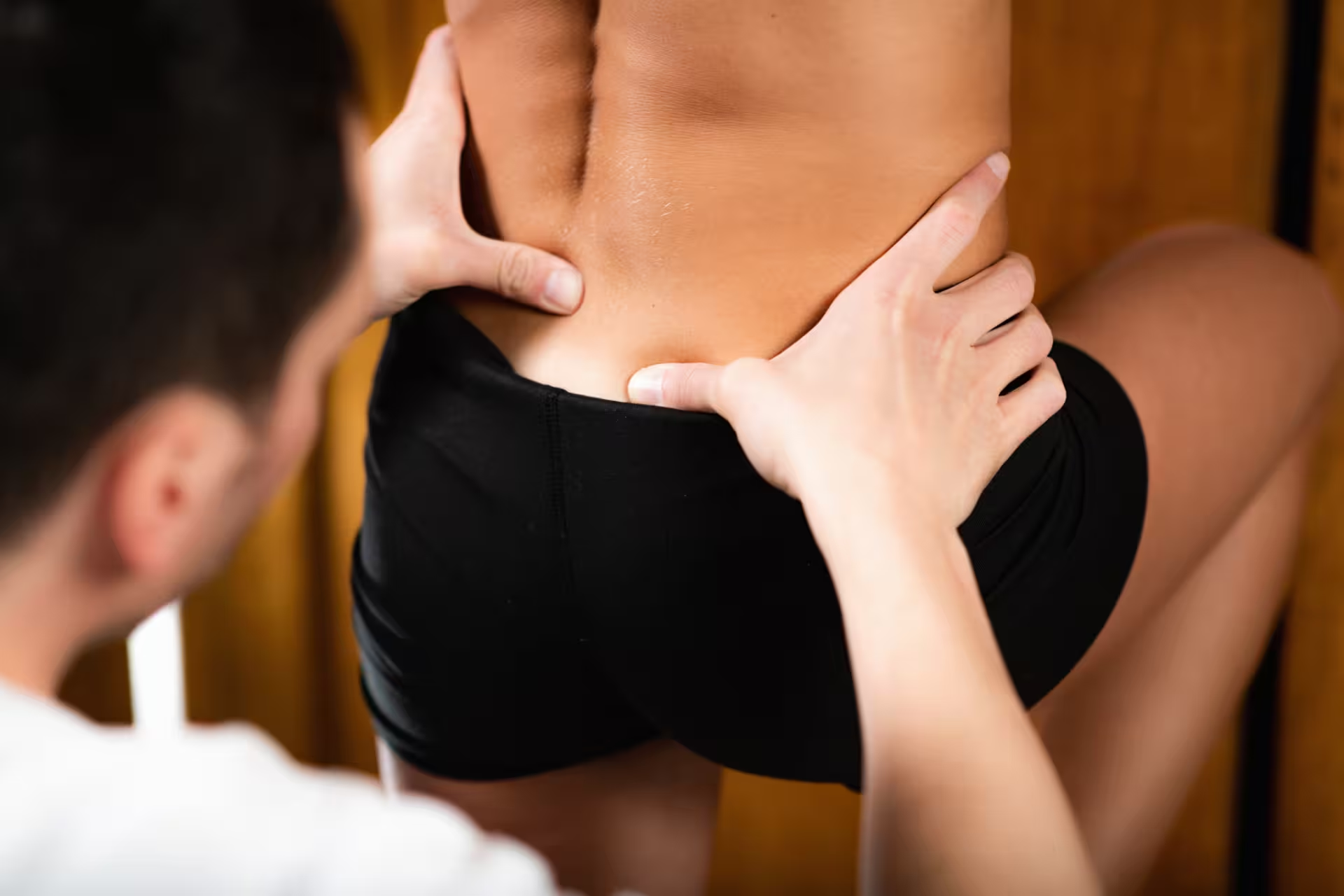
Gentle mobilisation of the lower back, pelvis and surrounding muscles can ease tension and calm irritation. Massage and soft tissue work may also help reduce protective muscle spasm around the coccyx. -
Cushion and posture strategies
Sometimes small changes make the biggest difference. A coccyx cushion or simple adjustment to how you sit can reduce pressure on the tailbone, giving the area a chance to settle. -
Graded exercise
Movement is medicine. We guide you through progressive exercises to restore mobility and build strength in your core, hips and pelvic floor. This helps reduce sensitivity and improves your tolerance for sitting and daily activities. -
Lifestyle support
Sleep, stress and activity levels all affect pain. We’ll look at your wider lifestyle and help you find manageable changes that support recovery. -
Confidence and reassurance
Many people worry that coccyx pain means something serious. Part of our role is to explain what’s happening, reassure you, and show you that recovery is possible.
Our philosophy is simple: hands-on treatment can calm things down, but lasting change comes from active rehabilitation.
Treatment options explained
Your first appointment is all about understanding your story and building a plan that works for you. Here’s what typically happens:
-
Comprehensive assessment
We’ll ask about your symptoms, lifestyle and goals. If your pain began after childbirth, we may include pelvic health considerations. If it followed a fall, we’ll check for any signs that onward referral is needed. -
Movement and function check
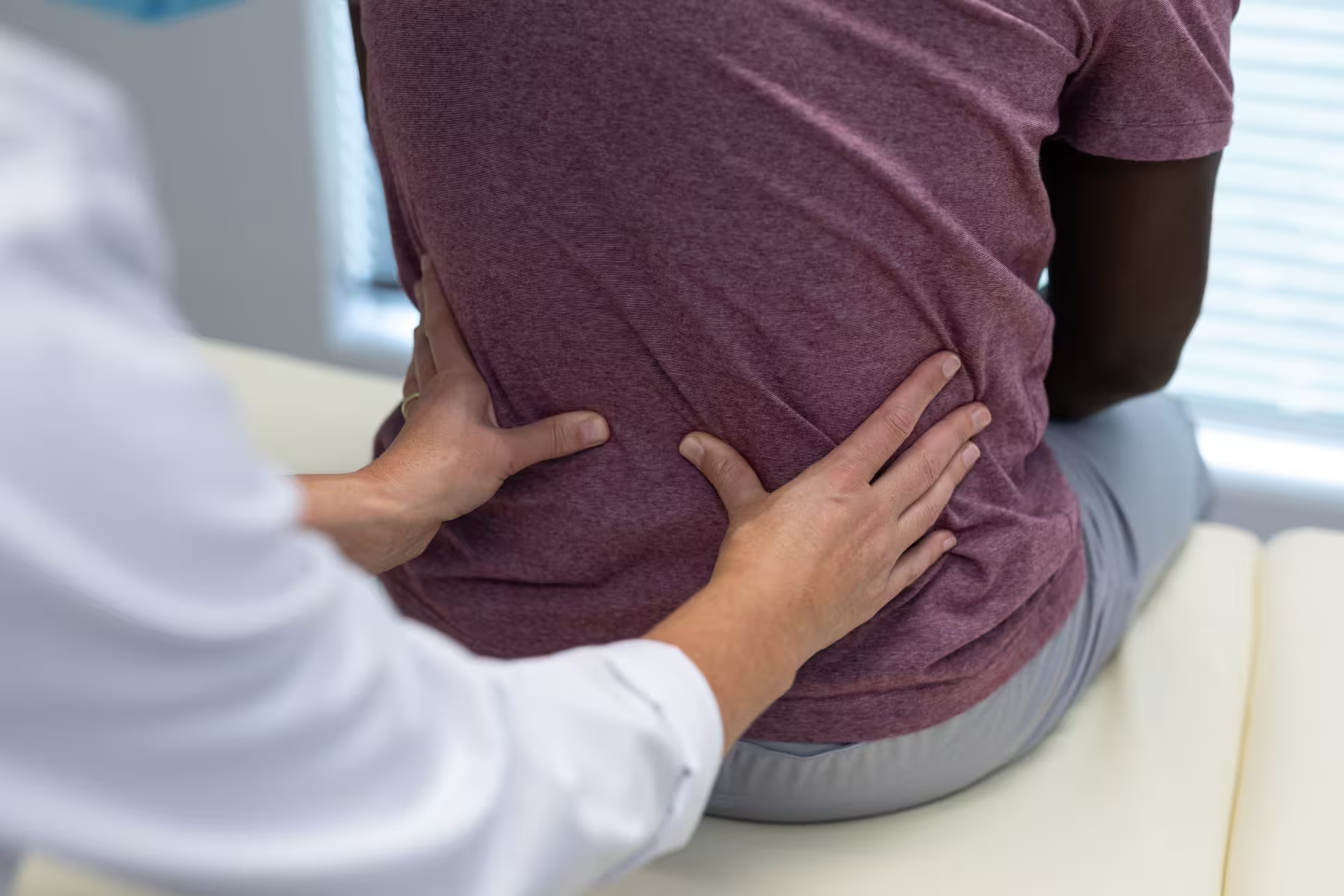
Your physiotherapist will look at how you sit, stand and move, as well as assessing strength, mobility and pelvic floor involvement where relevant. This helps us see what’s driving your pain and how best to address it. -
Clear explanation
You’ll leave with a clear understanding of what’s likely causing your coccyx pain, why it behaves the way it does, and what you can do to start improving straight away. -
Tailored treatment plan
We’ll create a plan with you that may include:
- Short-term relief (manual therapy, soft tissue treatment, cushions).
- A structured exercise programme to gradually restore confidence in sitting and moving.
- Guidance on lifestyle and activity pacing. -
Ongoing support
As you progress, your plan evolves. Our aim is to help you become independent and confident, so pain no longer controls your day-to-day life.
Many people feel reassured just by having a clear plan and a supportive clinician in their corner. Our women’s health expertise also means we’re well-placed to help with coccyx pain linked to pregnancy or childbirth.
Home strategies & self-care
Many people with coccyx pain can make meaningful progress with a few simple adjustments at home. These strategies often complement your physiotherapy:
-
Use a cushion
A wedge or doughnut-shaped cushion reduces pressure directly on the tailbone. The aim is comfort, not perfect posture. -
Vary your sitting positions
Instead of sitting bolt upright for hours, change position frequently. Standing, stretching or even shifting your weight can prevent irritation. -
Take movement breaks
Set a timer or link it to natural pauses in your day (phone calls, making tea). Standing up every 30–45 minutes helps circulation and reduces stiffness. -
Sleep comfortably
Many find side-lying with a pillow between the knees eases pressure on the lower back and pelvis. Experiment to find what works best. -
Gentle movement
Walking, light stretches and mobility exercises can calm sensitivity. Avoid complete rest — too much stillness often makes pain worse.
These self-care steps aren’t quick fixes, but they do create the best conditions for healing and help you stay in control.
If pain becomes persistent, see persistent pain management.

Success stories and patient journeys
At Southampton Physio we regularly see people regain comfort and confidence after coccyx pain. A few examples:
-
Postnatal recovery
Emily, a new mum, struggled with sharp pain when sitting to feed her baby. With cushions, gentle pelvic floor work and progressive exercises, she was comfortable again within two months. -
Office worker
James spent long hours at his desk and developed coccyx pain that made commuting miserable. We combined ergonomic advice with mobility and core strengthening. Within six weeks, he was back to long meetings without pain. -
After a fall
Sarah slipped on ice and landed on her tailbone. She feared it was broken, but after reassurance and targeted treatment she made steady improvements, returning to yoga after three months.
These stories highlight a common theme: with the right plan, coccyx pain does not need to become a long-term problem.
Frequently asked questions
How long does coccyx pain take to heal?
Mild bruising often eases in a few weeks. More persistent cases may take a few months, especially if sitting or childcare demands keep irritating the area.
Do I need an X-ray or MRI?
Usually not. Imaging is only recommended if red flags are present (such as severe trauma, infection, unexplained weight loss or neurological symptoms).
Should I sit on a cushion?
Yes, if it helps you feel more comfortable. It doesn’t “fix” the cause but reduces pressure so the coccyx can settle.
Does being overweight cause coccyx pain?
Weight alone is rarely the cause, but extra pressure on the coccyx can add irritation. Strength, mobility and movement variety matter more.
What’s the difference between coccyx pain and sacroiliac joint pain?
Both cause pain low in the back or pelvis, but coccyx pain is usually very local to the tailbone itself, often aggravated by sitting. SIJ pain tends to be broader across the back of the pelvis and may radiate into the leg. Leg symptoms can also be caused by sciatica.
Ready to put coccyx pain behind you?
Living with coccyx pain can feel like a small problem that casts a big shadow. Whether it’s feeding your baby, getting through a long meeting, or simply sitting to enjoy a meal, discomfort at the base of the spine can disrupt daily life.
The good news: with the right approach, most coccyx pain improves. At Southampton Physio, we don’t just chase symptoms — we help you understand what’s happening, calm irritation, and build strength and confidence so you can get back to living fully.
Our team combines hands-on treatment, targeted exercise, and practical advice. And because we know how frustrating it feels when pain lingers, we’ll support you with clear guidance and ongoing reassurance.
Why choose Southampton Physio?
- Experienced clinicians with expertise in women’s health and postnatal recovery.
- Integrated approach: short-term relief plus long-term strategies.
- Private clinic in central Southampton with flexible appointments.
- Over 100 five-star reviews from patients who felt “stuck” until they came to us.

Booking
Book your consultation today
Don’t let coccyx pain keep disrupting your day. The sooner you start, the sooner you can get back to sitting, moving and living without constant discomfort.
Disclaimer
This information is for education only and is not a substitute for personal medical advice. Consult a qualified professional for individual care.